Bukhansan
北漢山Granite peaks you can reach by subway, on a mountain visited by Silla's King Jinheung and Joseon's King Sukjong
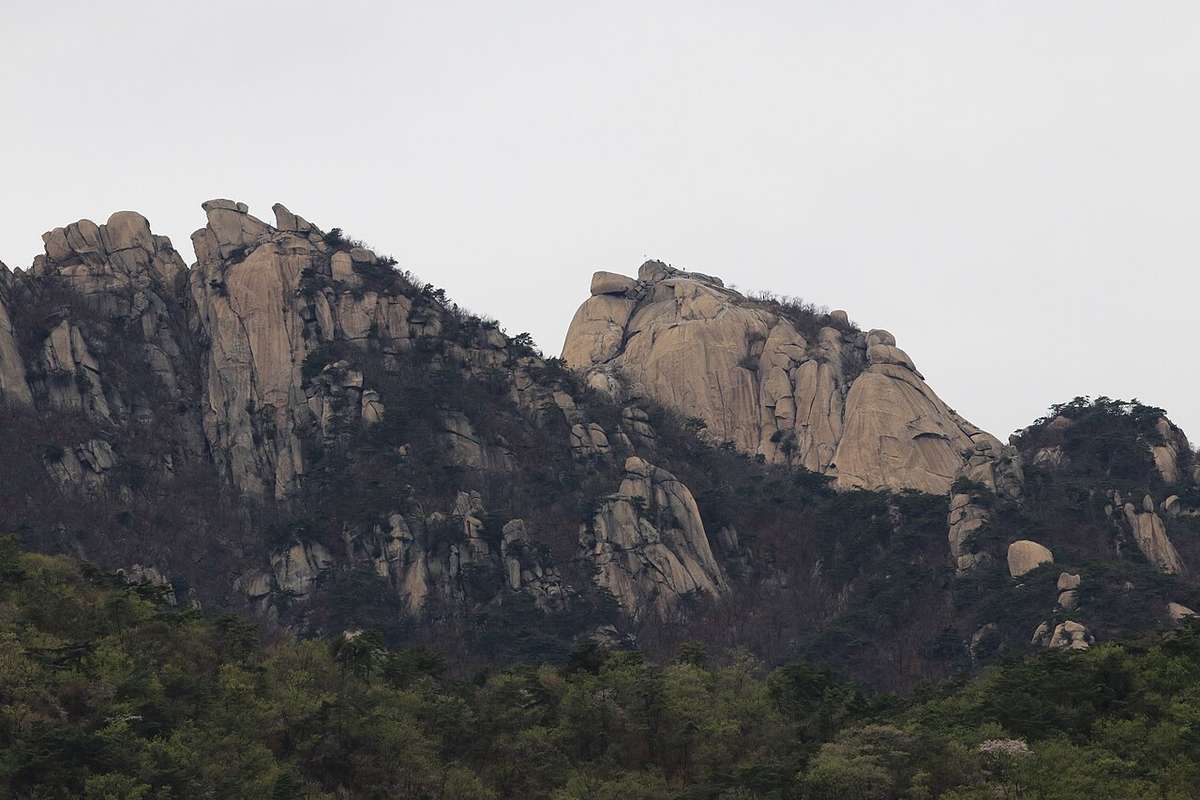
Bukhansan is the granite mountain that screens the north of Seoul, its highest peak, Baegundae, standing at about 836 m. It was made a national park together with Dobongsan in 1983, and few national parks anywhere can be reached by subway and bus from the middle of a big city. "K-hiking", renting hiking gear and heading up a mountain, has lately become a new item on foreign visitors' itineraries, making Bukhansan the most visited of Seoul's mountains by foreigners. From the summit the city spreads out below you, and across the mountain stand a Silla monument and a Joseon fortress.
📖 The Story
In the 6th century King Jinheung of Silla joined Baekje to drive Goguryeo out, then pushed Baekje out in turn and took the whole Han River basin. With the Han, Silla for the first time had its own sea route to China. Jinheung toured the newly won lands and set up monuments to mark them, and one of them stood on the summit of Bibong peak on Bukhansan, overlooking the lower Han.
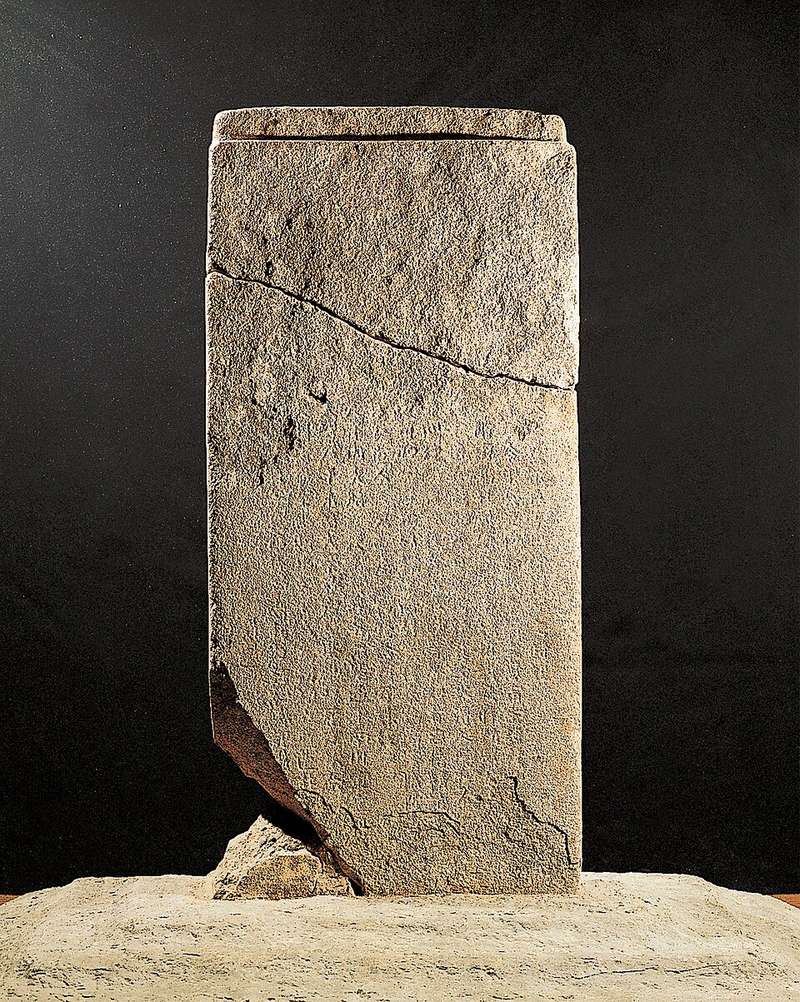
Throughout the Joseon era the stone was wrongly thought to have been set up by the monk Muhak, or to be a blank stele. In 1816 Kim Jeong-hui climbed Bibong to examine it, and the next year climbed again to take rubbings, read the inscription and establish that it was King Jinheung's monument. Famous for the Chusa style of calligraphy, he was also a scholar of old steles and inscriptions. Worn by weather and scarred by Korean War bullets, the stele was brought down the mountain in the 1970s; the original is now in the National Museum of Korea, and a replica stands on Bibong.
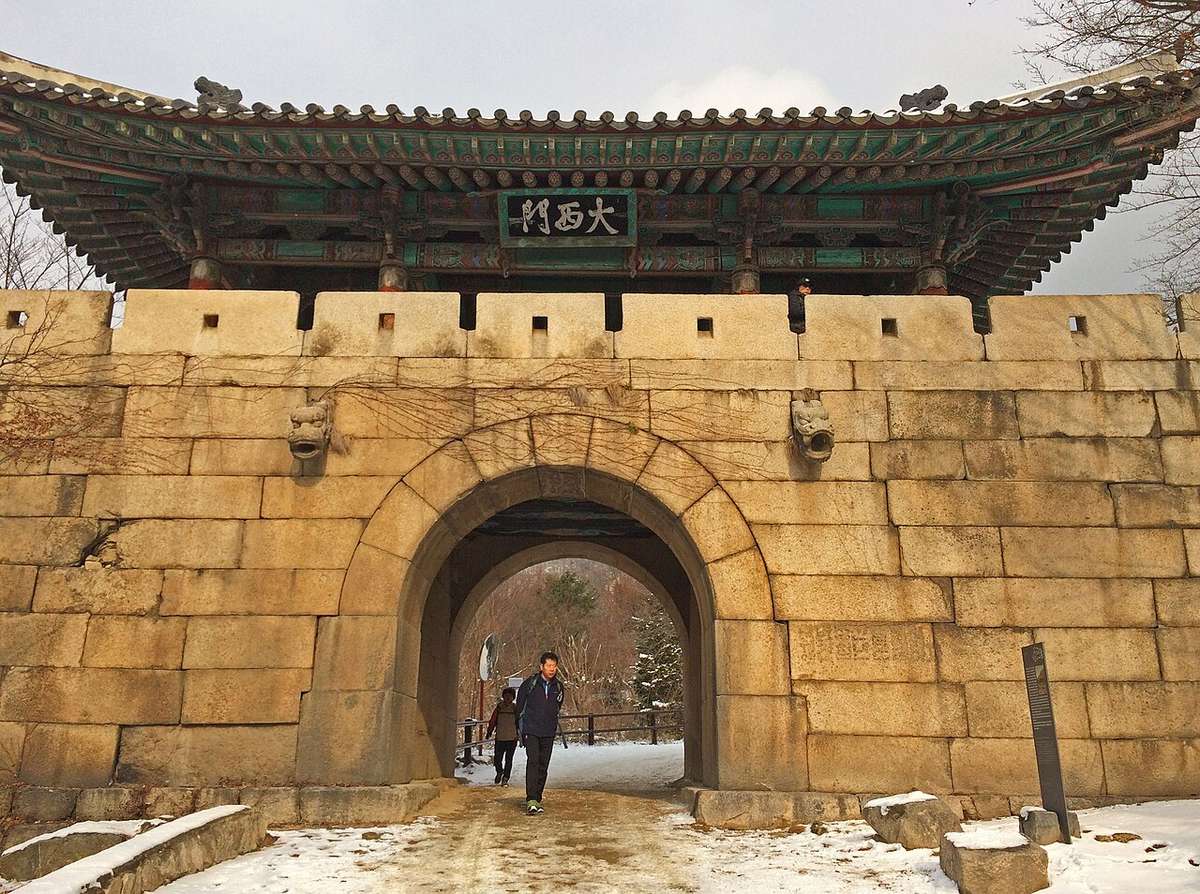
After two Manchu invasions, Joseon needed a mountain fortress close to the capital where the king could take refuge and hold out. In 1711 King Sukjong built Bukhansanseong along the ridges of Bukhansan, with a detached palace, grain stores and temples garrisoned by monks inside. Daeseomun and other gates, along with stretches of the wall, still stand along the trails, so climbing the mountain means passing through a fortress three centuries old.
✦ Highlights
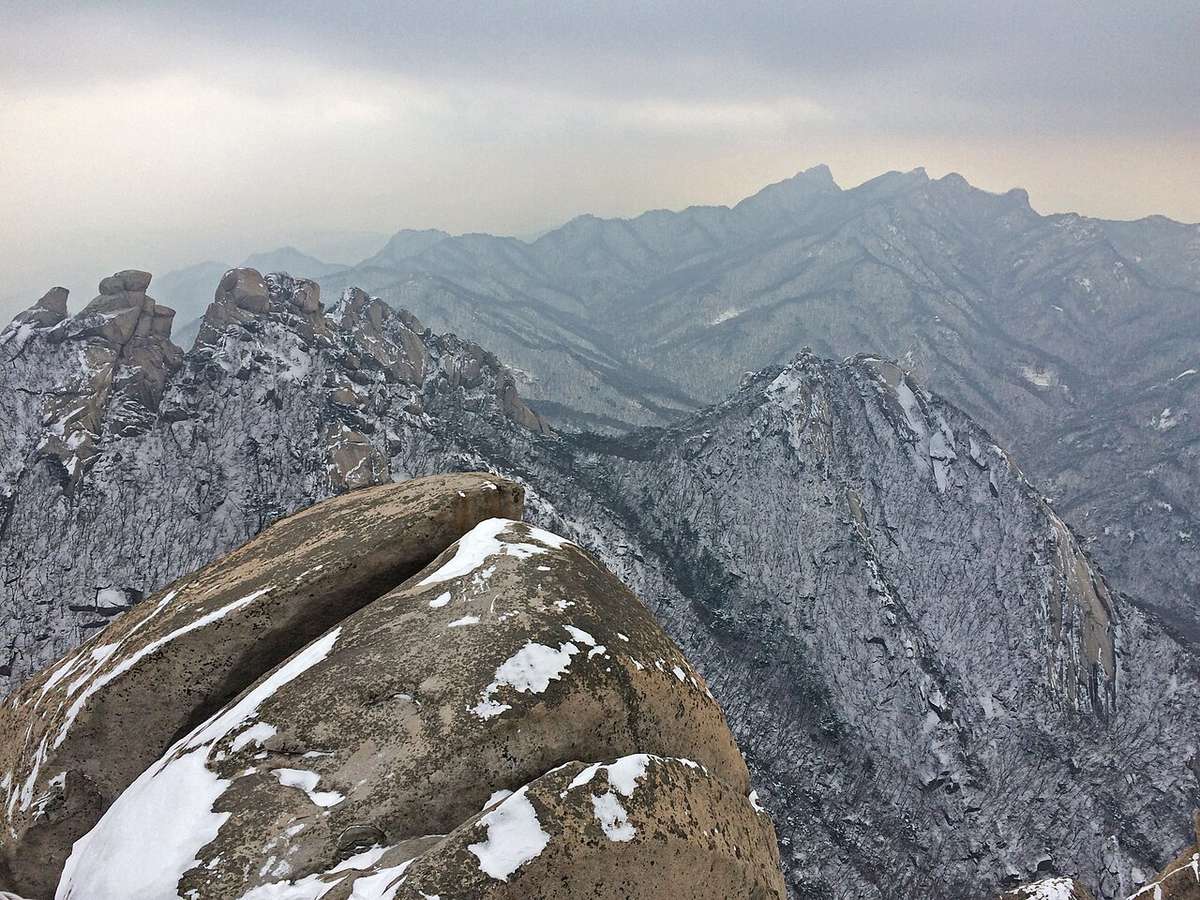
- ›Baegundae peakBukhansan's highest peak, about 836 m above sea level. The final stretch is bare rock climbed with fixed steel cables, and from the top you look down on downtown Seoul and the sheer rock face of Insubong.
More
The shortest route starts at the Baegundae visitor center on the Ui-dong side and passes Harujae pass and the Baegun shelter, 1.9 km and about 90 minutes to two hours one way. Baegunbong Secret Gate, just below the summit, is a small gate in the Bukhansanseong wall, so walking through it takes you inside a three-hundred-year-old fortress. The route is short but steep, and near the top the wind is strong and the rock slippery. At weekends there is a line for photos on the summit rock, so weekday mornings are more relaxed.
- ›Bukhansanseong fortress and Daeseomun gateThe main west gate of the fortress King Sukjong built along the ridges of Bukhansan in 1711. It is the first gate you meet climbing from the Bukhansanseong visitor center, its name board clearly lettered in Chinese characters.
More
After two Manchu invasions, Joseon needed a mountain fortress close to the capital where the king could take refuge and hold out, and Bukhansanseong was the answer. Beyond Daeseomun, a valley leads past the sites of the fortress village and palace and temples once garrisoned by monks. Climb toward the ridge and you can see the wall following the mountain's spine. The fortress route is longer than the Baegundae route but gentler for much of the way, good for a slow climb past the ruins.
- ›Bibong peak and King Jinheung's monumentEven the peak's name means "stele peak". On top stands a replica of the monument King Jinheung of Silla set up in the 6th century after taking the Han River basin.
More
Throughout the Joseon era the stone was wrongly thought to have been set up by the monk Muhak, or to be a blank stele. In 1816 Kim Jeong-hui climbed Bibong to examine it, and the next year climbed again to take rubbings and establish that it was King Jinheung's. Worn by weather and scarred by Korean War bullets, the original was brought down the mountain in 1972 and is now in the National Museum of Korea. The rock at the top of Bibong is steep and needs care, and you can see the stele well from the ridge just below.
- ›K-hiking cultureBright hiking gear, gimbap and fruit shared on the summit, pajeon and makgeolli after the descent. For foreign visitors, Korean hiking culture, where you head up a mountain straight from the subway, is a sight in itself.
More
On weekend mornings the subway fills with people in hiking gear, and the trailhead villages are lined with outdoor shops and restaurants for hikers coming down. Strangers on the trail often share snacks or point the way. Drinking is banned at summits, shelters and other designated places inside the national park, though, so save the makgeolli for the village after the descent. These days there are also many hiking programs for foreign visitors that lend out gear and climb together.
🚶 Self-Guided Walk
- 1Bukhansan Ui StationWalk up through the village from the station to the Baegundae visitor center.💡 Buy water and snacks near the station; there is almost nowhere to buy them on the mountain.
- 2Baegundae visitor center · Harujae passClimb through the forest to the Harujae pass, where the rock face of Insubong comes into view.
- 3Baegun shelter · Baegunbong secret gatePast the shelter you go through a small hidden gate in the Bukhansanseong wall. From here you are inside the fortress.
- 4Baegundae summitClimb the last stretch of rock with the steel cables and look down on the city from the top.💡 Bring a windproof layer; the summit is cool even in summer.
- 5Down the same way · Ui-dong villageReturn the way you came and finish with a post-hike meal in the village.
🧭 Visitor Info
💡 Good to Know
- Hiking boots with firm soles are safer than sneakers. The rock near Baegundae's summit is polished smooth and especially slippery after rain.
- Time your start so you are down before sunset. Allow a comfortable four hours for the Baegundae round trip.
- Trailheads and the summit are very crowded on weekend mornings; weekdays are much quieter.
- Stay on marked trails. Entering closed sections can bring a fine, and it is easy to get lost.
🗺 Pair Your Visit
King Jinheung of Silla took the Han River basin, set up tour monuments including the Bukhansan stele (Bukhansan, Hwangchoryeong, Maullyeong and Changnyeong), and reorganized the hwarang into a state institution. A common exam thread follows how King Seong of Baekje, having lost the lower Han, was killed at the battle of Gwansanseong. Kim Jeong-hui, who deciphered the Bukhansan stele, was an epigrapher who wrote the Geumseok Gwaanrok and is known for the Chusa calligraphy style and the painting Sehando. Bukhansanseong was built under King Sukjong to strengthen the capital's defences after the Manchu invasions.