From a 600-year royal capital to a city that never sleeps
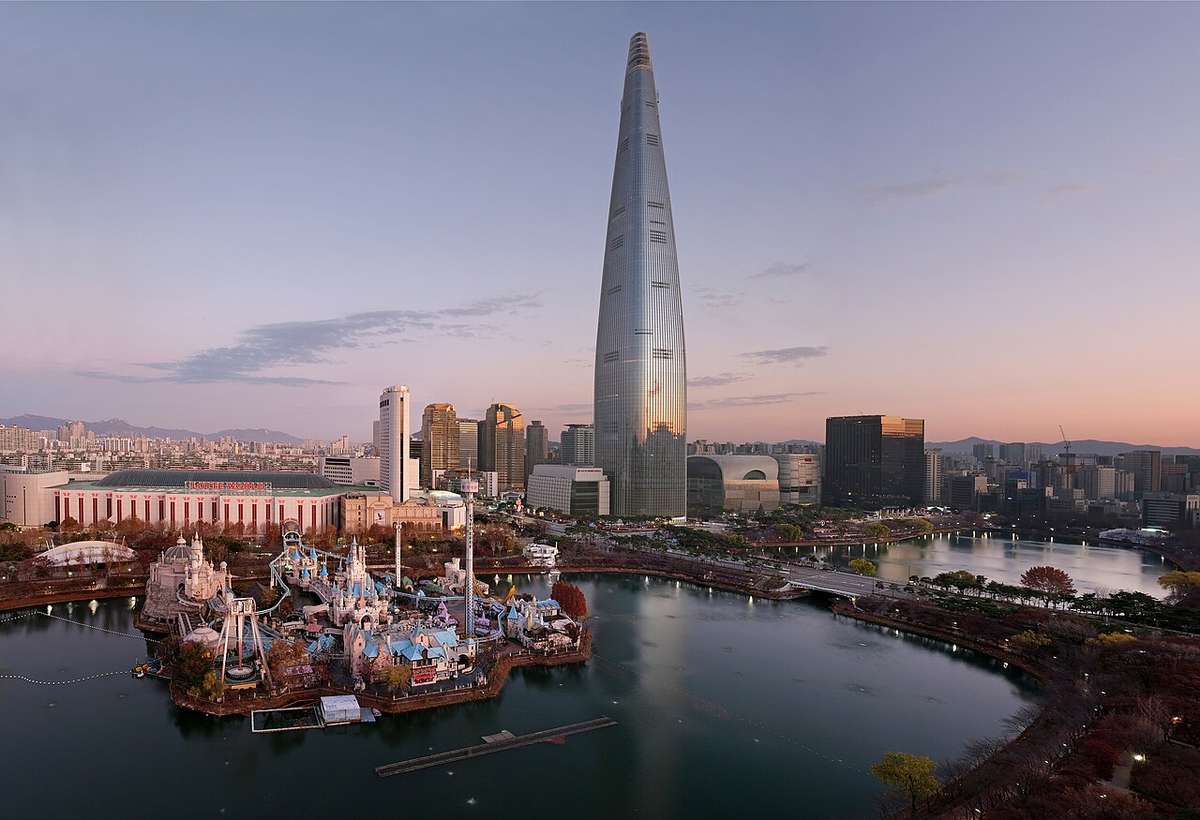
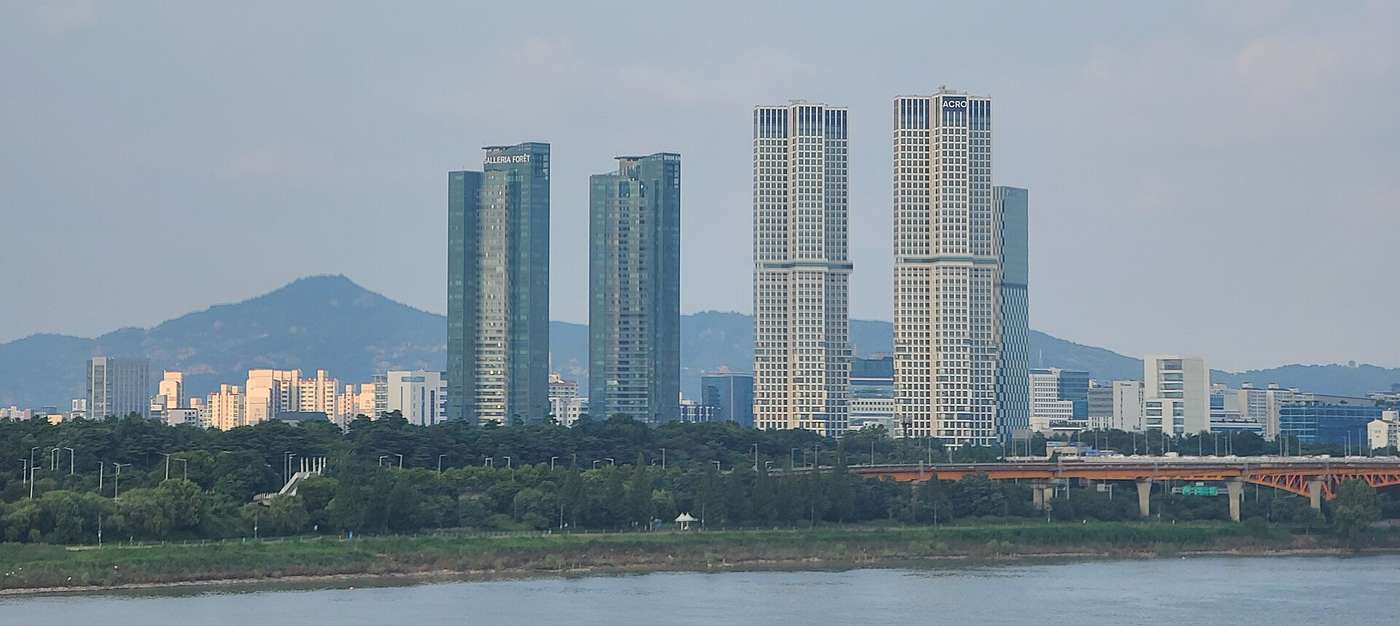
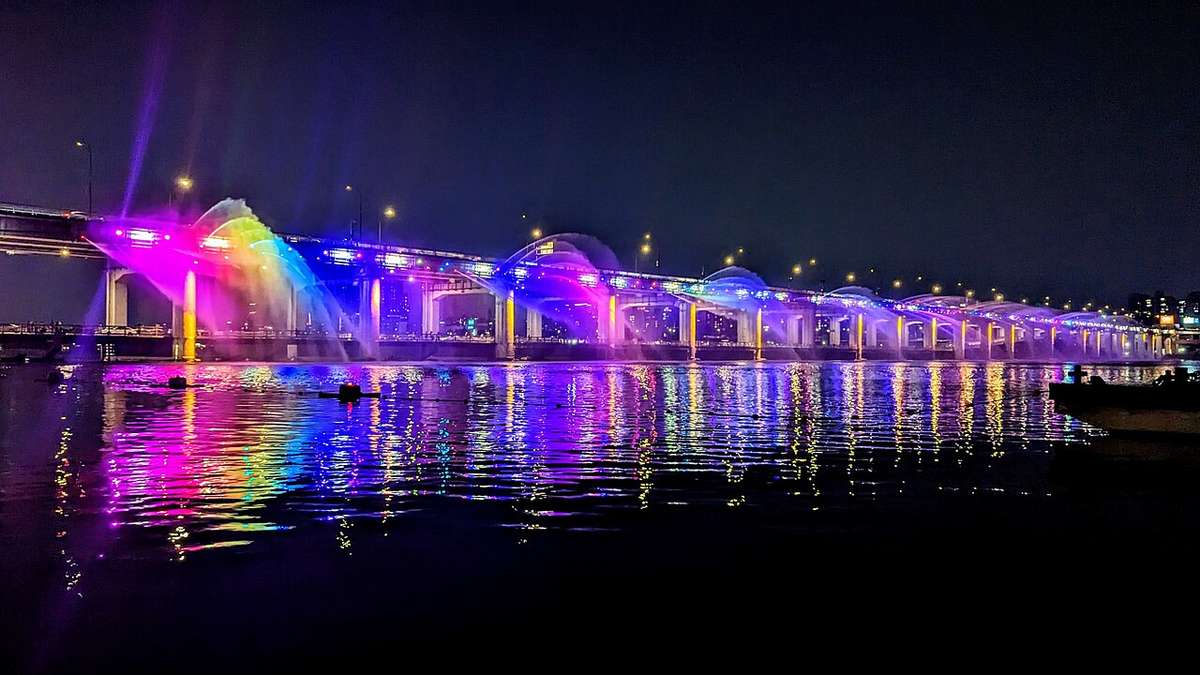
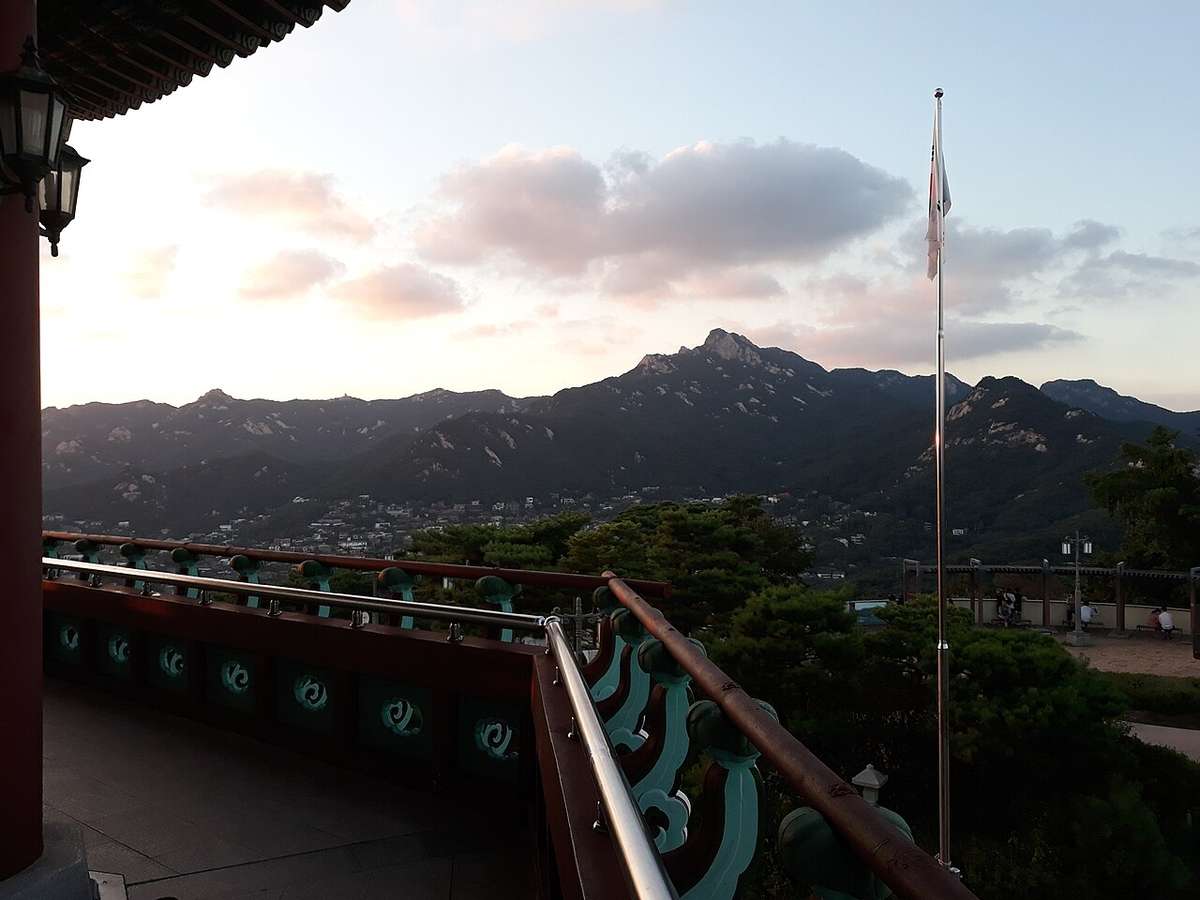
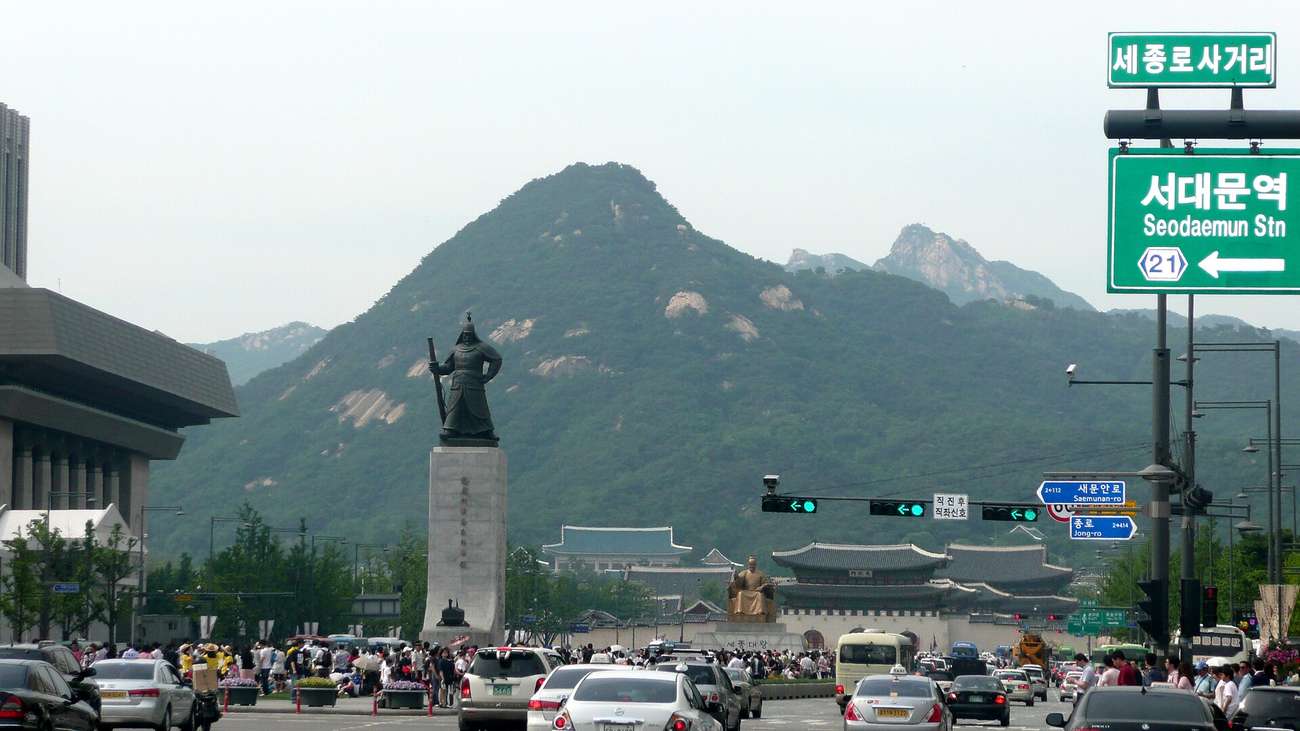
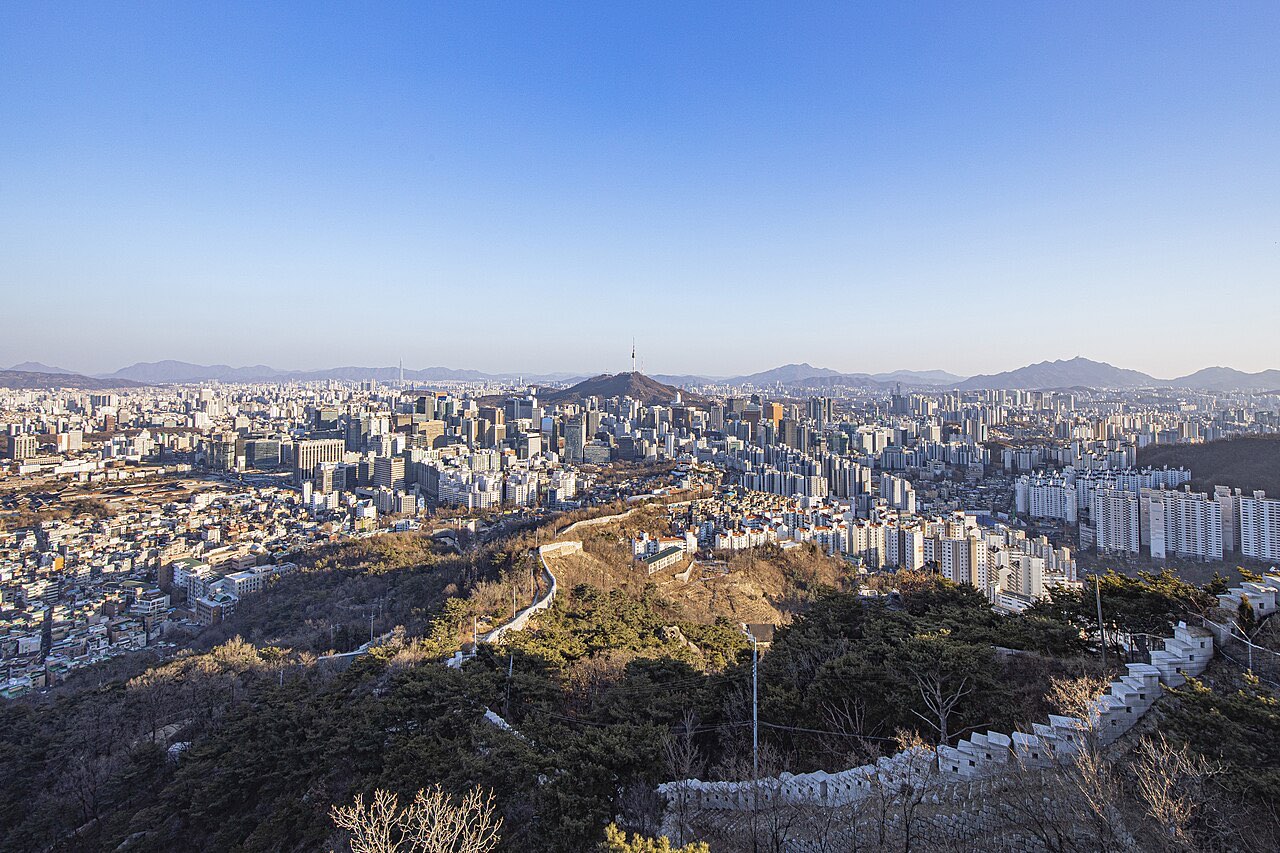
Seoul began as Hanyang, the capital of Joseon, and is today a metropolis of about ten million and the gateway where most travelers start their trip to Korea. Joseon-era heritage such as the five grand palaces and the Jongmyo Shrine stands beside skyscrapers and shopping districts, and the Han River runs through the middle of the city. A dense subway network lets you move between palaces, hanok villages, and night markets in a single day. The charm of Seoul is how the traditional and the ultra-modern meet on the same street.
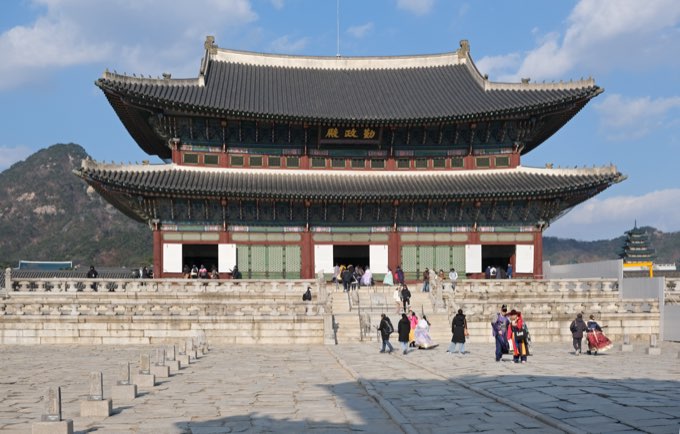
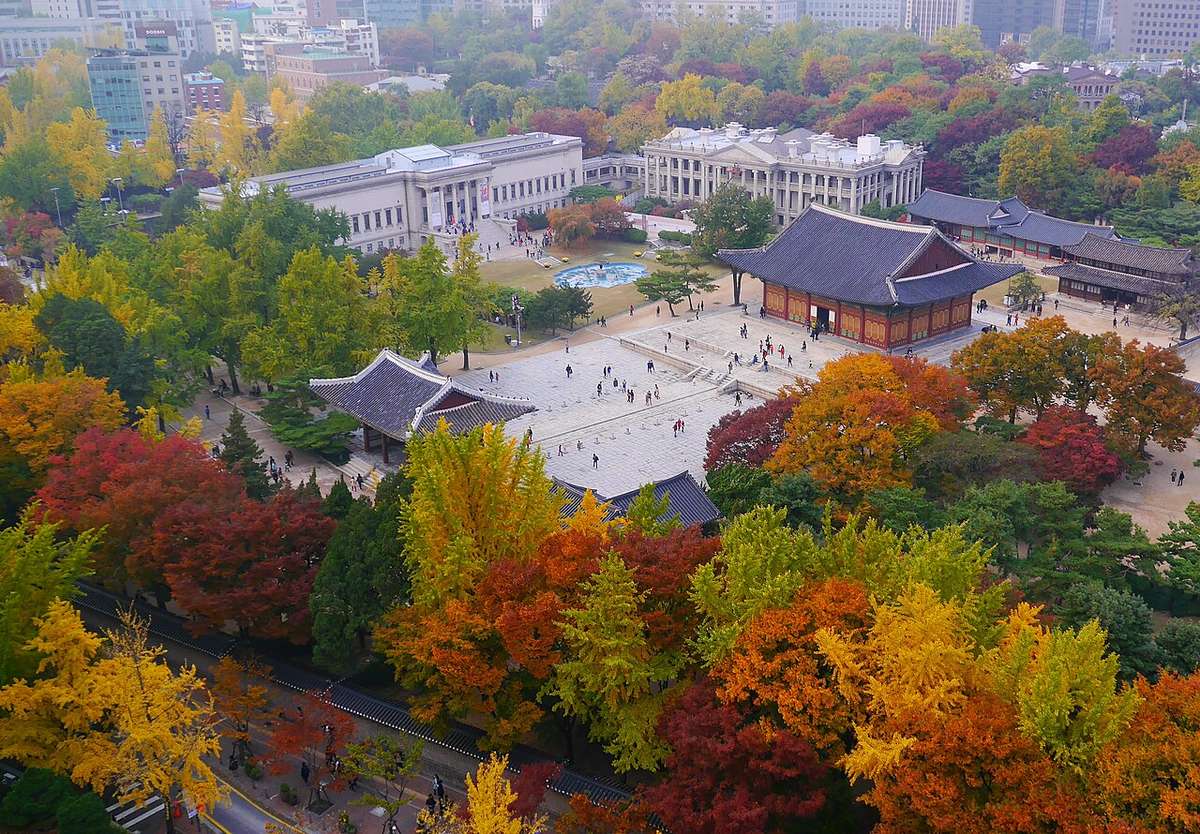
- ›Gyeongbokgung and the five grand palaces — Five palaces remain in the city center, led by Gyeongbokgung, the main palace of Joseon, where you can watch the changing of the guard and try on hanbok. Details →
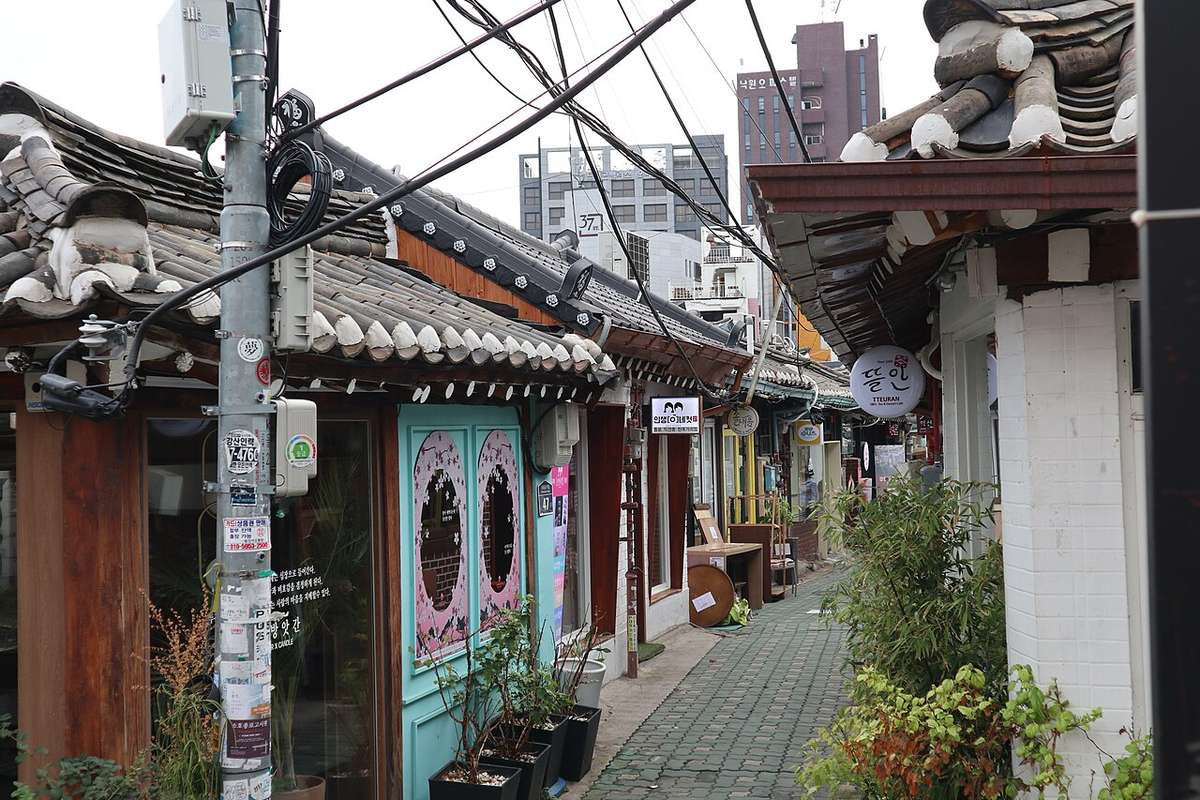
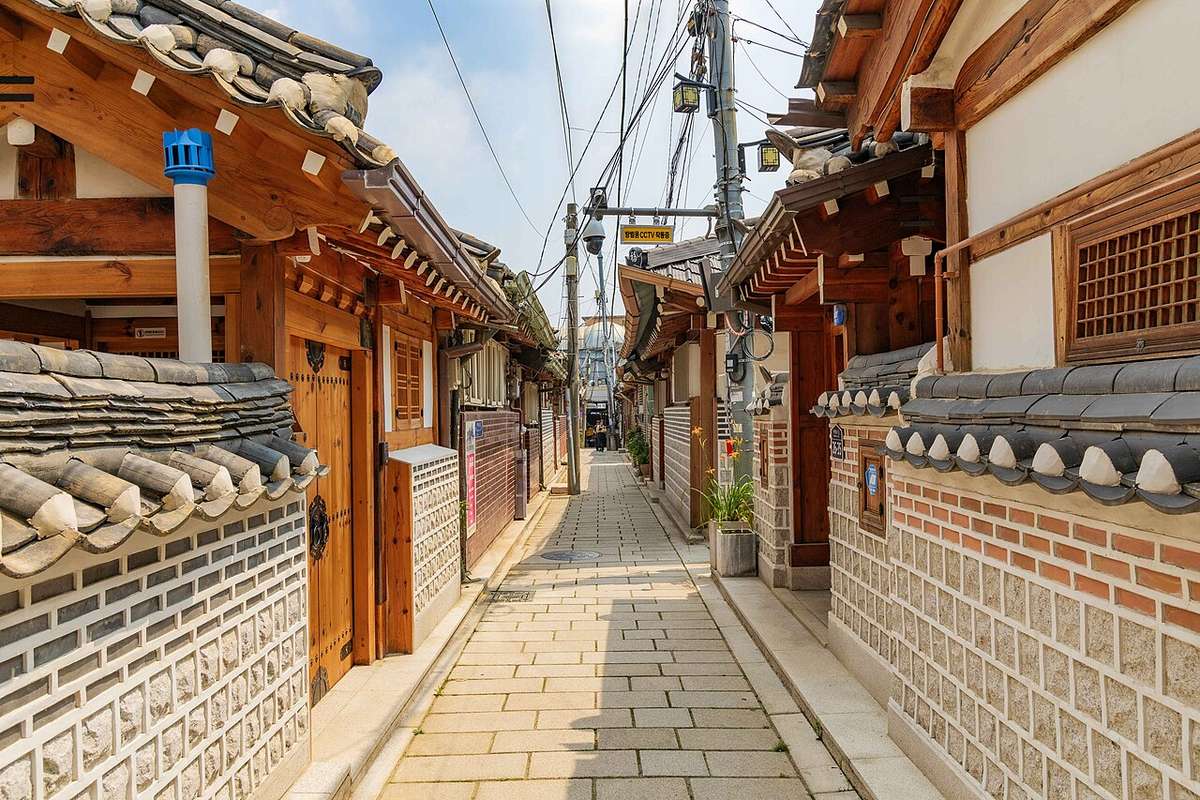
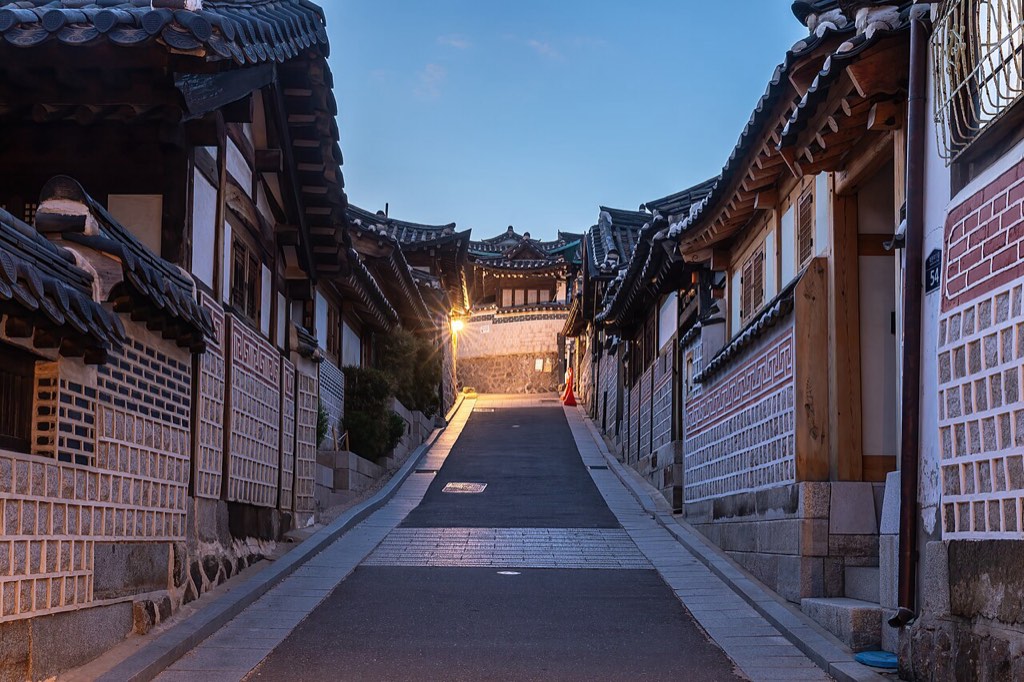
- ›Bukchon Hanok Village — A neighborhood of traditional tile-roofed houses on the hill between Gyeongbokgung and Changdeokgung, its alleys preserving the feel of old Seoul. Details →
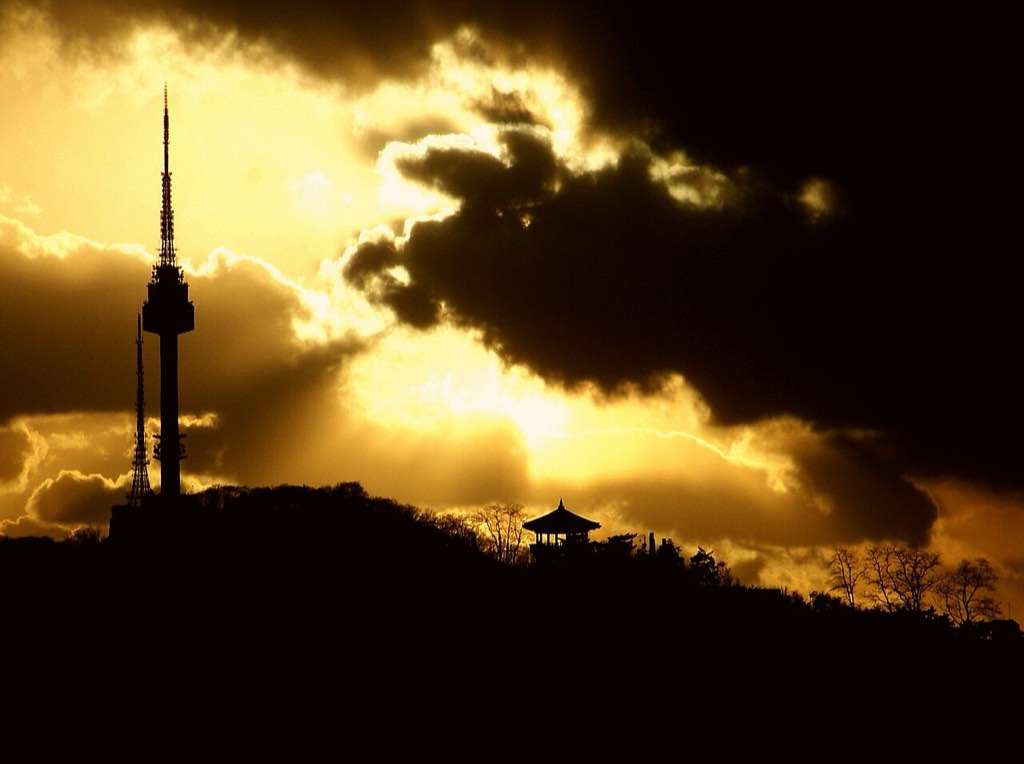
- ›Namsan Seoul Tower — An observation tower atop Namsan in the heart of the city, offering a sweeping view of Seoul by day and night. Details →
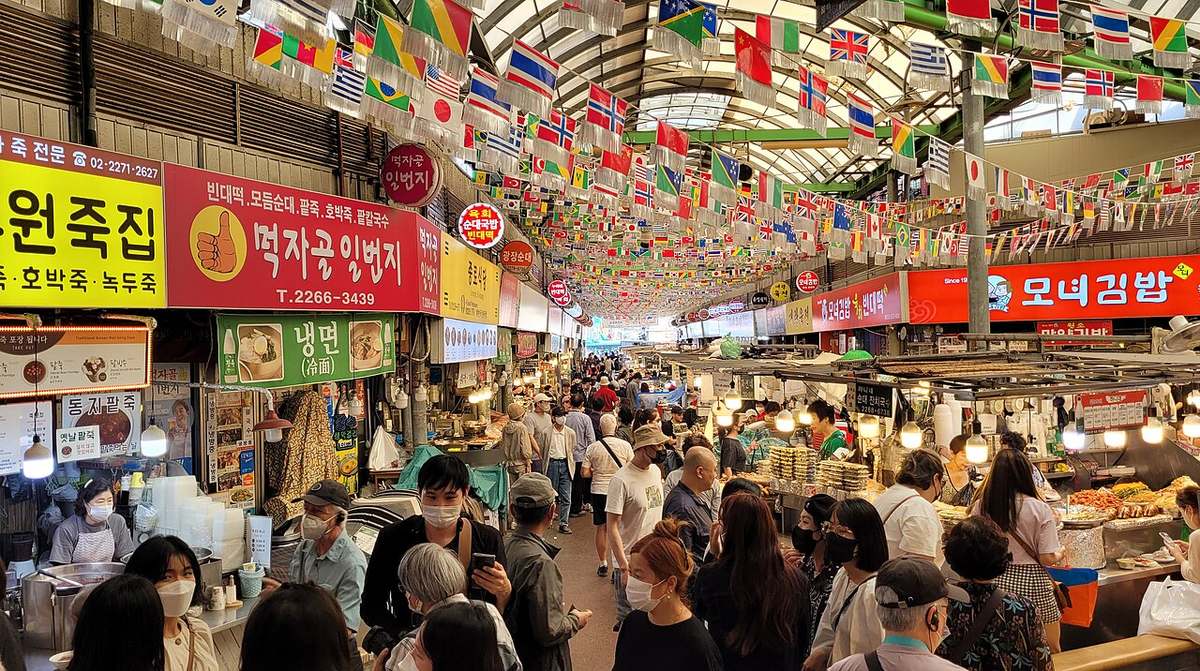
- ›Myeongdong and Gwangjang Market — The shopping street of Myeongdong and the old food alleys of Gwangjang Market showcase Seoul's shopping culture and street food. Details →
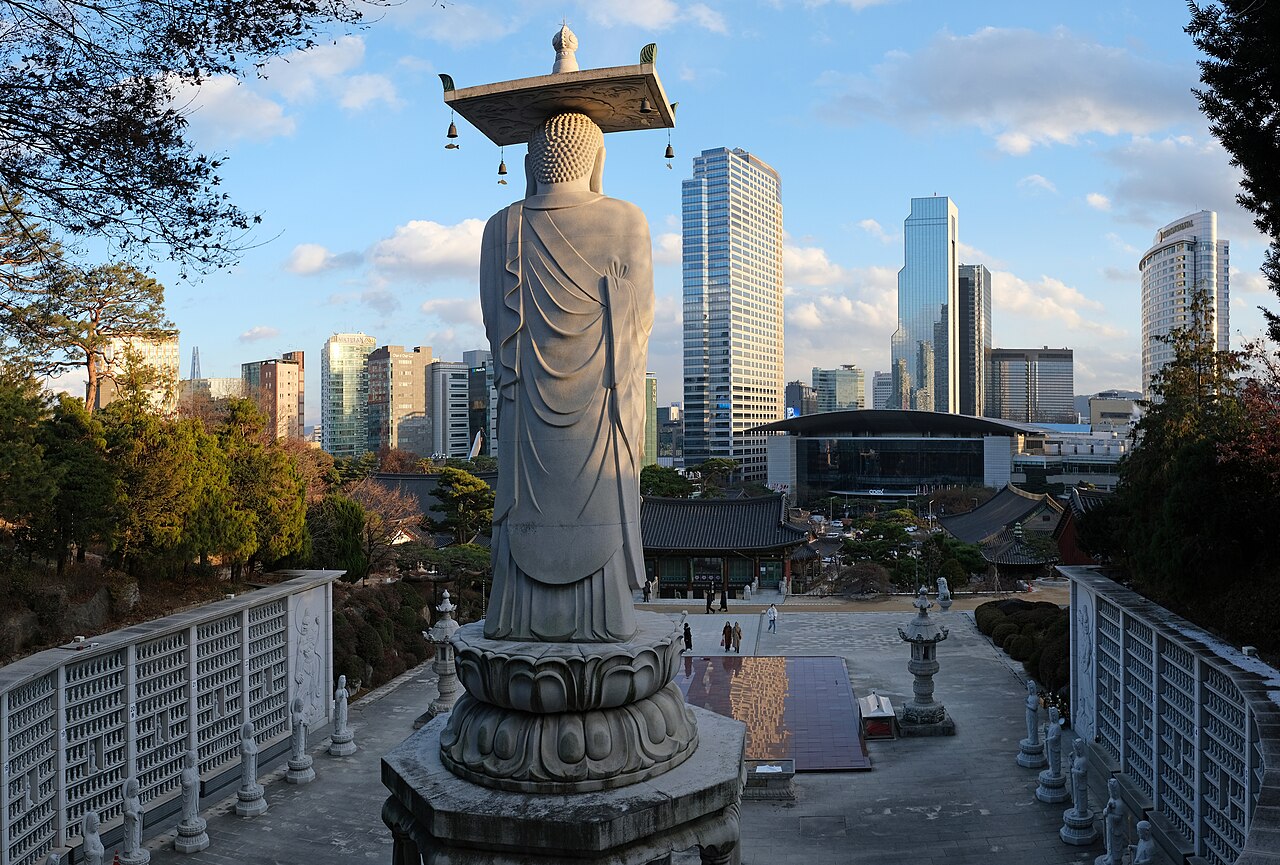
- ›Bongeunsa Temple — A Joseon royal temple in the heart of Gangnam, facing the COEX towers, where a roughly 23 m Maitreya Buddha looks out over the skyline. Details →
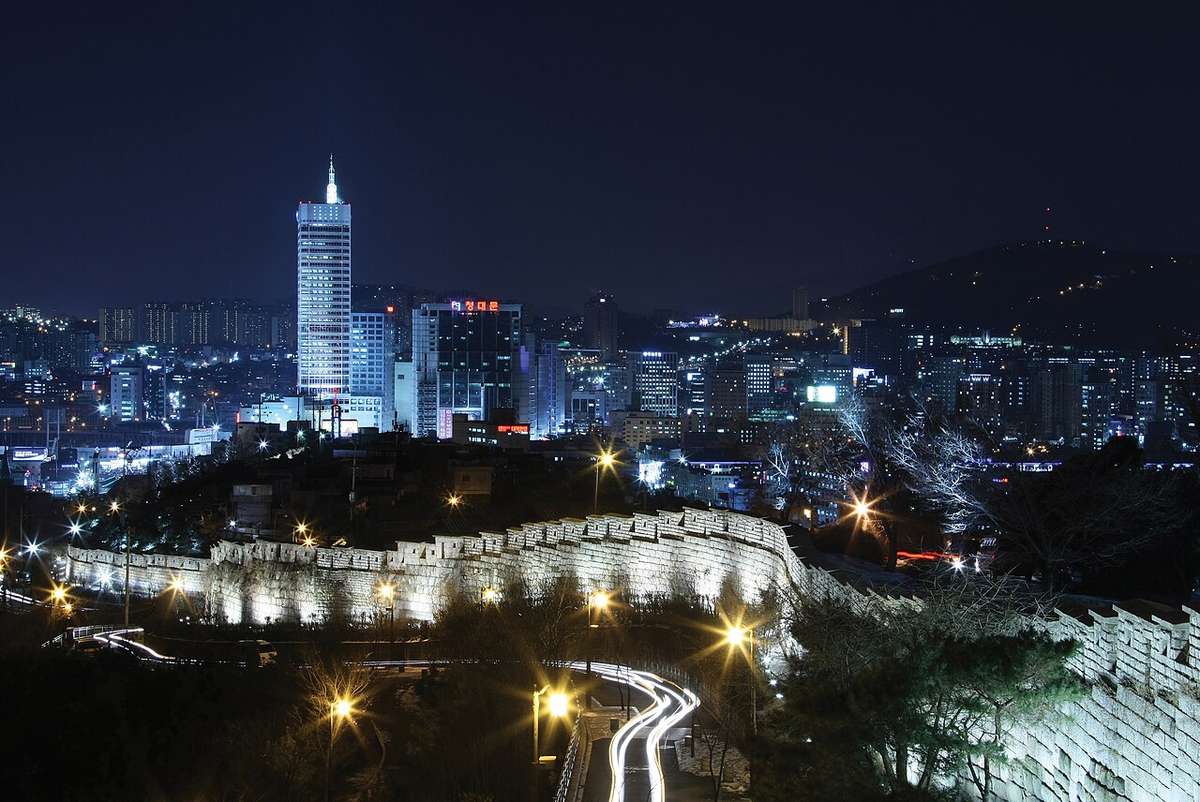
Seoul is Hanyang, where King Taejo moved the capital of Joseon in 1394 — a planned capital laid out with Gyeongbokgung, the Jongmyo royal shrine, the Sajikdan altar, and a city wall. Its surviving five palaces and the Jongmyo Shrine show the governing spaces of the Joseon dynasty.