A port city of beaches, markets, and hillside alleys
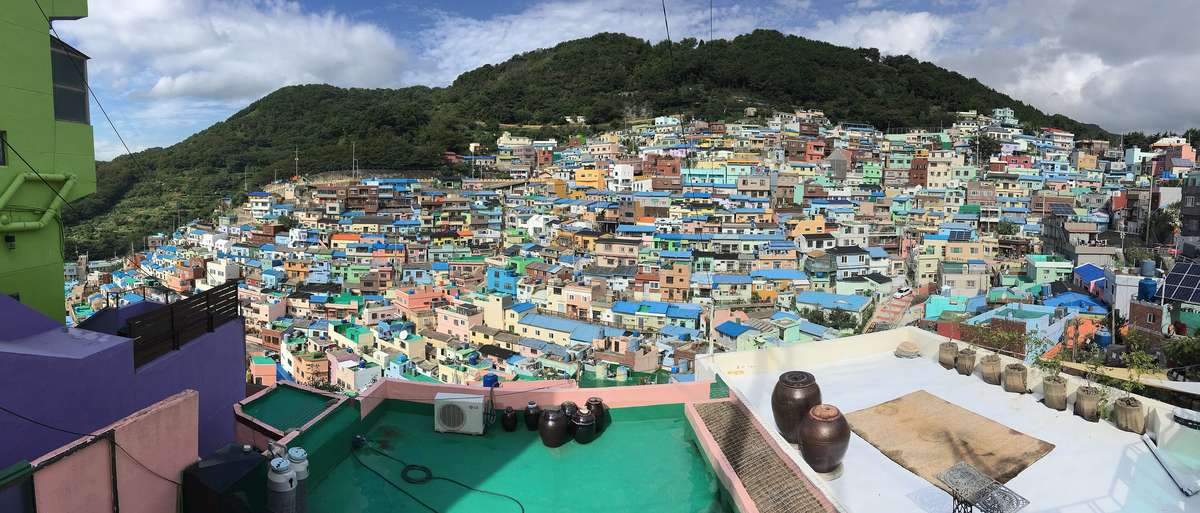
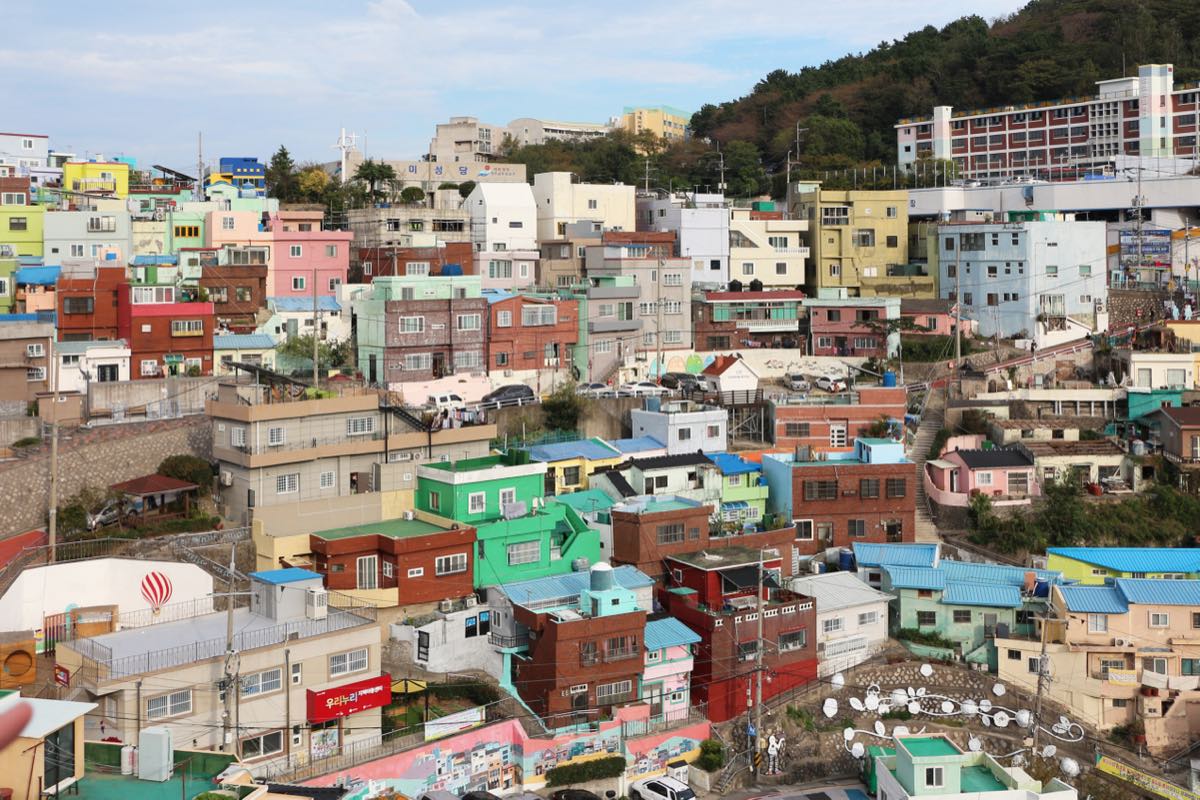
Busan is Korea's second-largest city and biggest port — a seaside city of wide sandy beaches, fresh seafood, and neighborhoods climbing the hillsides. During the Korean War it served as the nation's provisional capital for nearly three years, sheltering refugees. Today the high-rise skyline of Haeundae and the colorful alleys of Gamcheon Culture Village are equally loved as photo spots. It is also a cultural hub, home to the Busan International Film Festival.
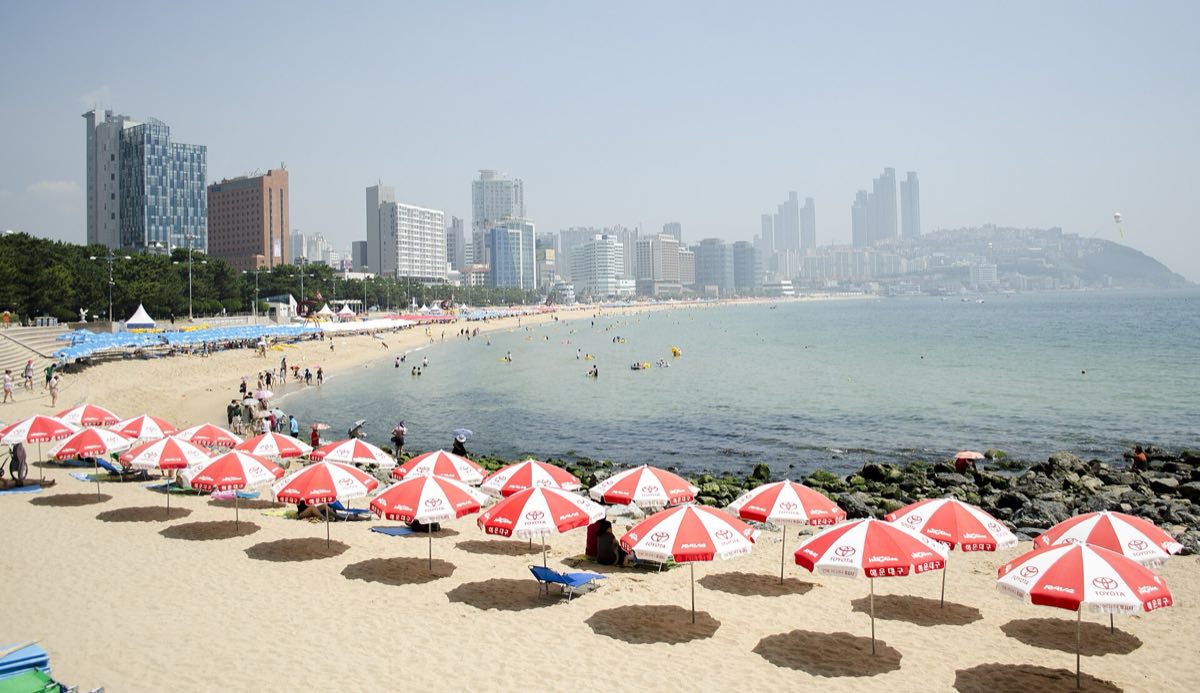
- ›Haeundae Beach — Busan's signature beach; in summer its broad sands fill with crowds, and at night the lights of high-rises glow over the sea. Details →
- ›Gamcheon Culture Village — Colorful houses terraced up a hillside form a maze of alleys, earning it the nickname 'the Santorini of Korea.' Details →
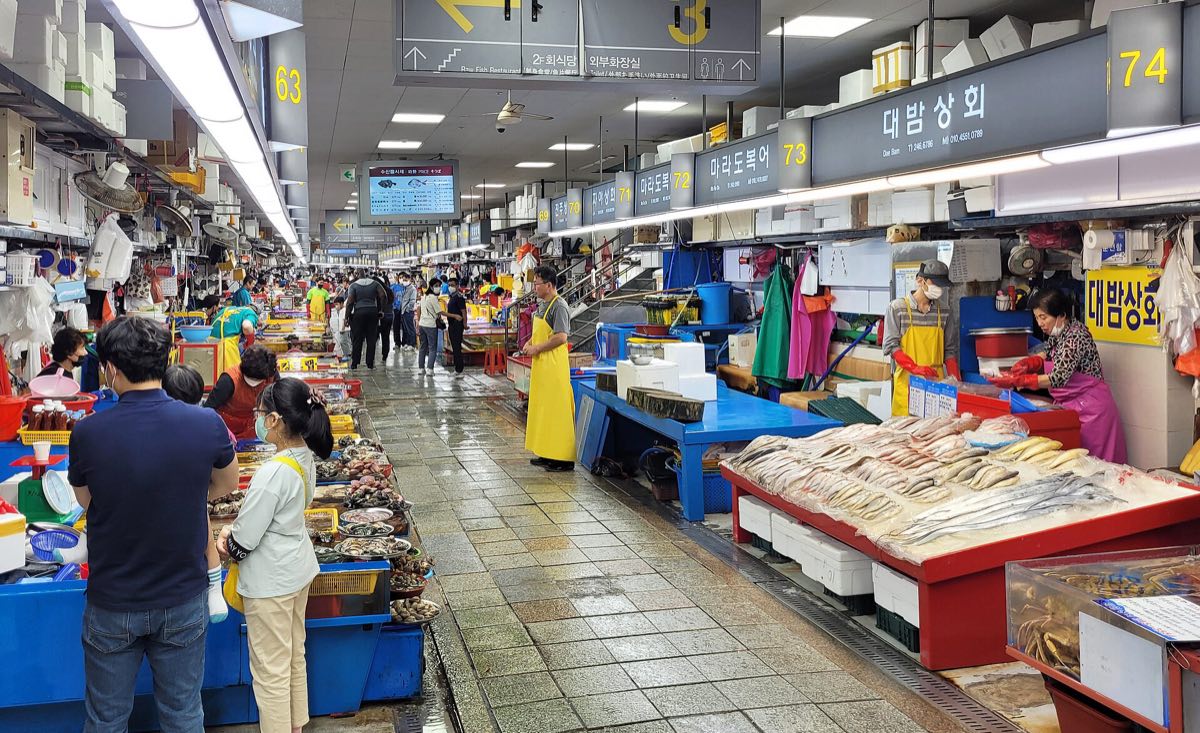
- ›Jagalchi Market — Korea's largest seafood market, where you can taste freshly caught seafood on the spot. Details →
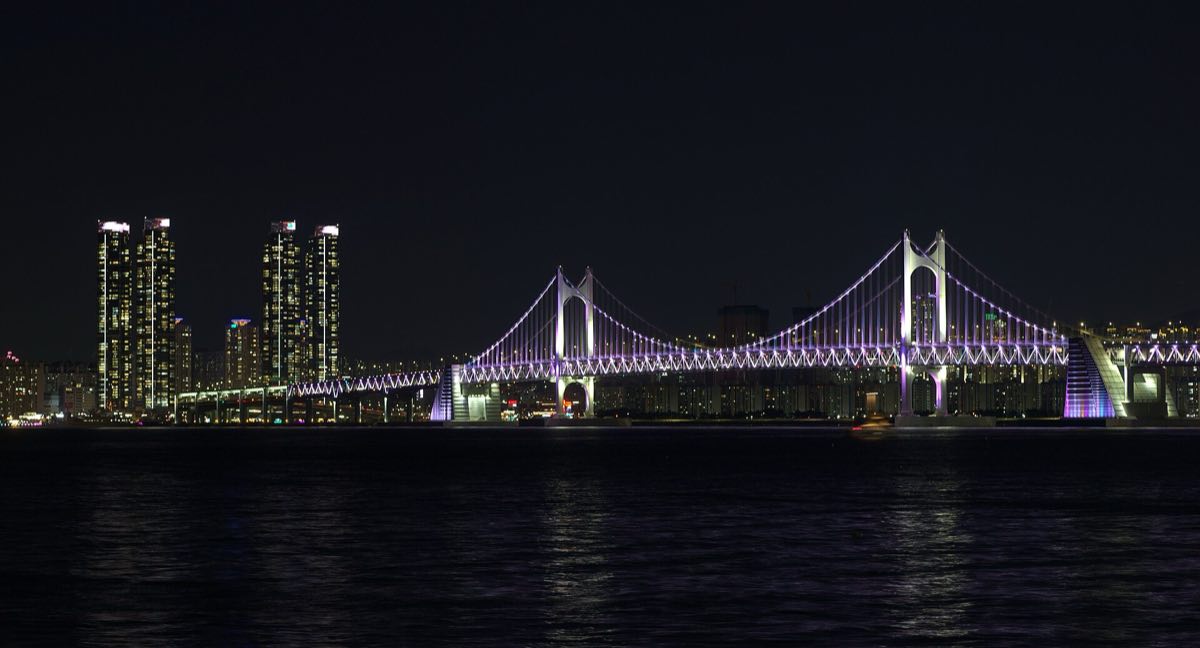
- ›Gwangalli and the Gwangan Bridge — A night-view spot pairing the beach with a suspension bridge over the sea, also known for its cafes and drone light shows. Details →
When Seoul fell during the Korean War, Busan served as the provisional capital of the Republic of Korea from 1950 to 1953 — the 'refugee capital' that sheltered the wartime government and its refugees. Traces of Busan from this period are a key topic in modern history.