Sabi, the last Baekje capital — the quiet grace of an ancient city
Buyeo is where Sabi stood — the last capital to which Baekje moved in 538 from Ungjin (today's Gongju) — an old city that holds both the height and the fall of Baekje culture. The Jeongnimsaji five-story stone pagoda, Busosanseong Fortress, and Nakhwaam cliff line the Baengma River, and the Buyeo National Museum displays masterpieces such as the Baekje gilt-bronze incense burner. Nearby Gongju keeps the Muryeong Royal Tomb from the Ungjin period, so travelers pair the two cities as 'the old capitals of Baekje.' Here you can feel the restraint and refinement that mark Baekje's distinctive aesthetic over sheer splendor.
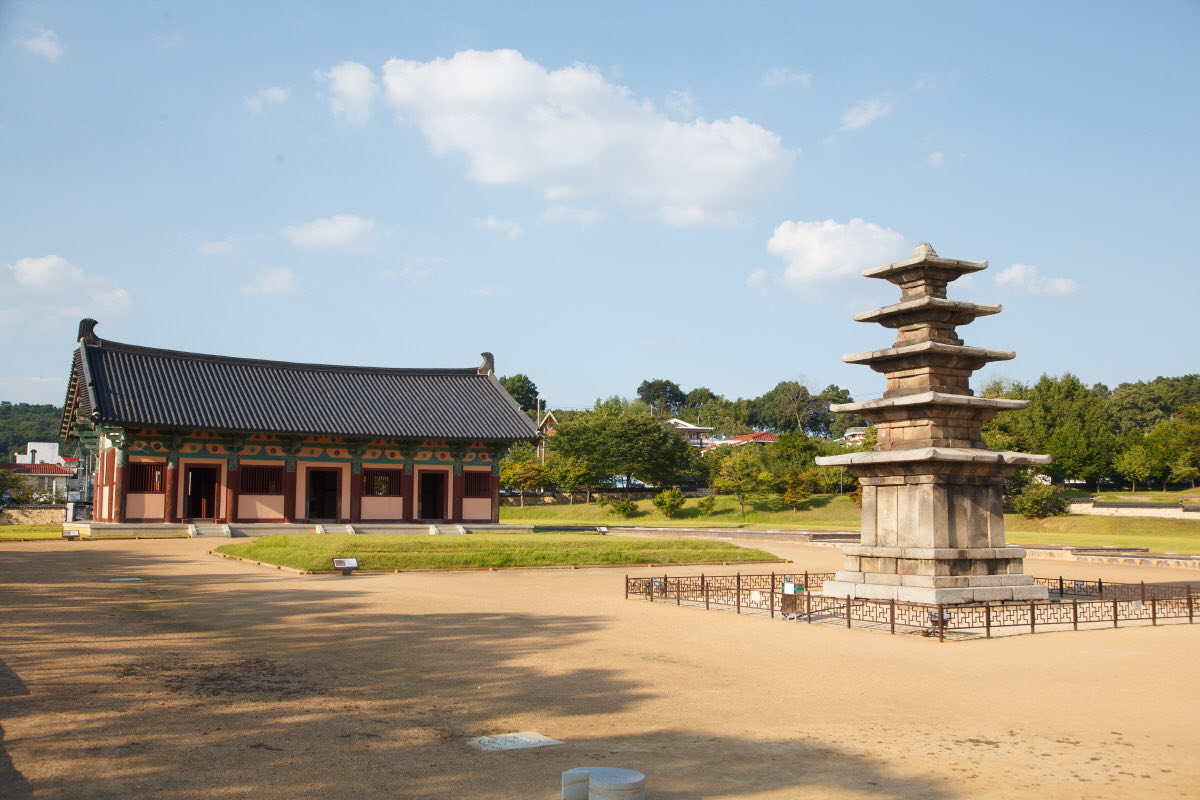
- ›Jeongnimsaji Five-story Stone Pagoda — The signature pagoda of Baekje's Sabi period and a masterpiece of Baekje stonework, showing the transitional style from wooden to stone pagodas. Details →
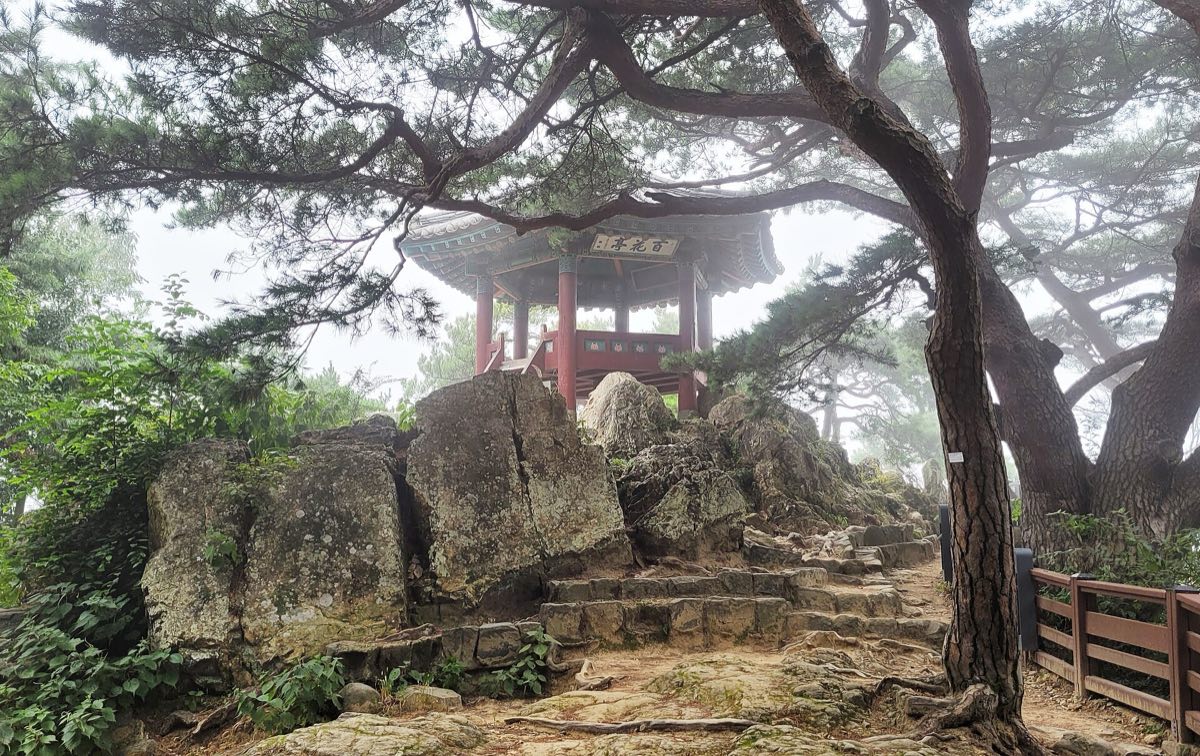
- ›Busosanseong Fortress and Nakhwaam — The mountain fortress that guarded the Sabi capital, joined by Nakhwaam — the cliff over the Baengma River where, by legend, court women threw themselves as Baekje fell. Details →
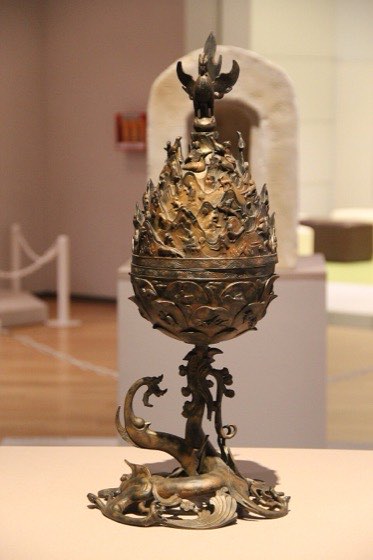
- ›Buyeo National Museum and the Baekje Incense Burner — It gathers Sabi-period artifacts in one place, led by the gilt-bronze incense burner regarded as the pinnacle of Baekje craftsmanship.
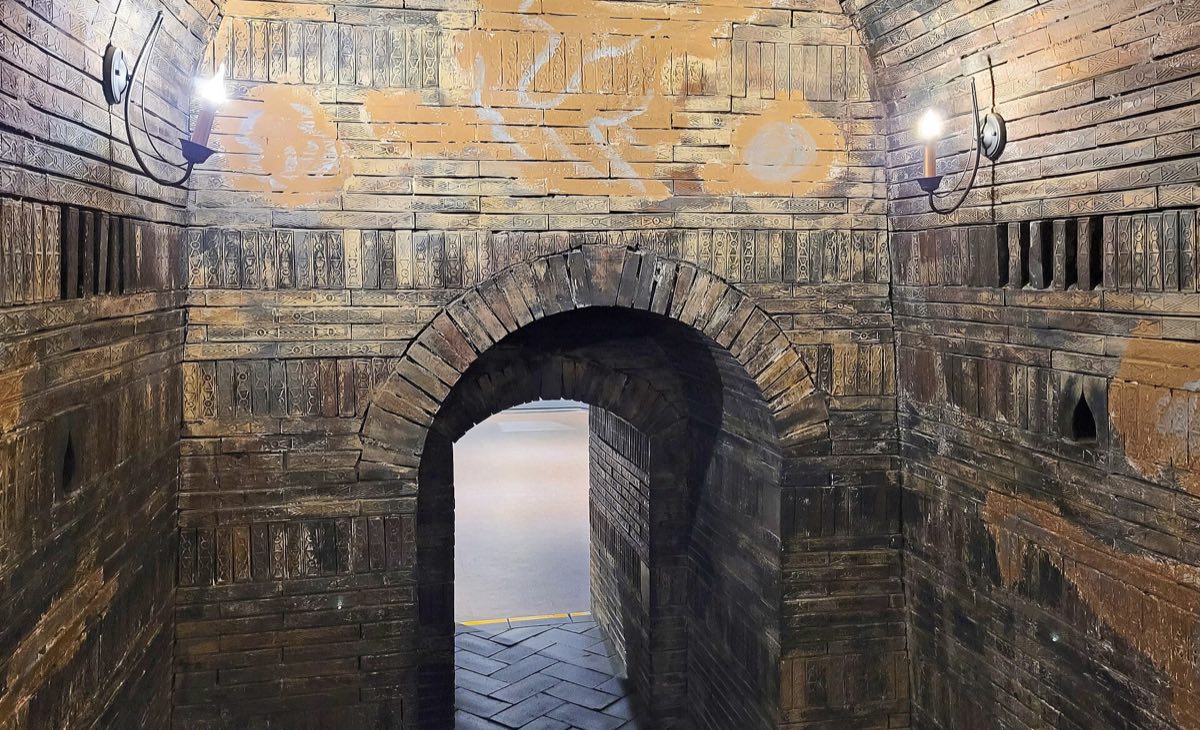
- ›Muryeong Royal Tomb (Gongju) — A brick-chamber tomb of the Ungjin period in neighboring Gongju; found undisturbed by grave robbers, it became decisive evidence for the study of Baekje history. Details →
Buyeo is Sabi, the last capital to which Baekje moved under King Seong; the Jeongnimsaji five-story pagoda and the Baekje incense burner epitomize Baekje culture. Together with the Muryeong Royal Tomb of the earlier capital Ungjin (Gongju), it is a key site showing Baekje's rise, peak, and fall.