Birthplace of the Joseon dynasty and Korea's food capital
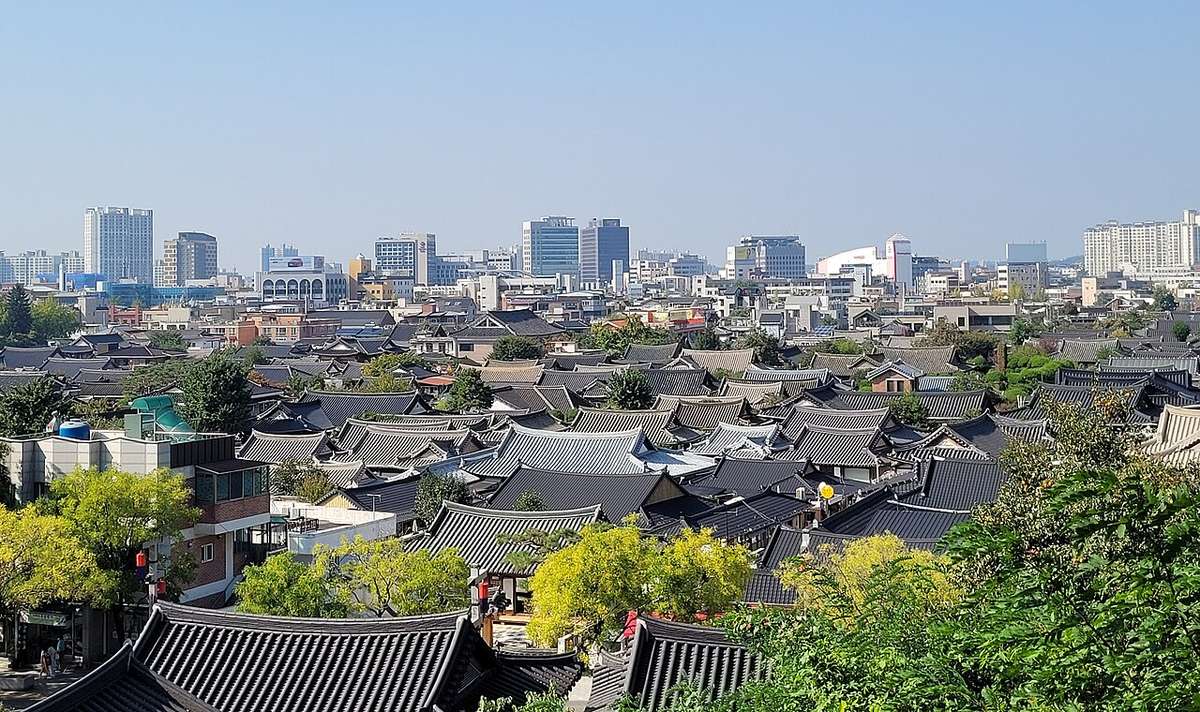
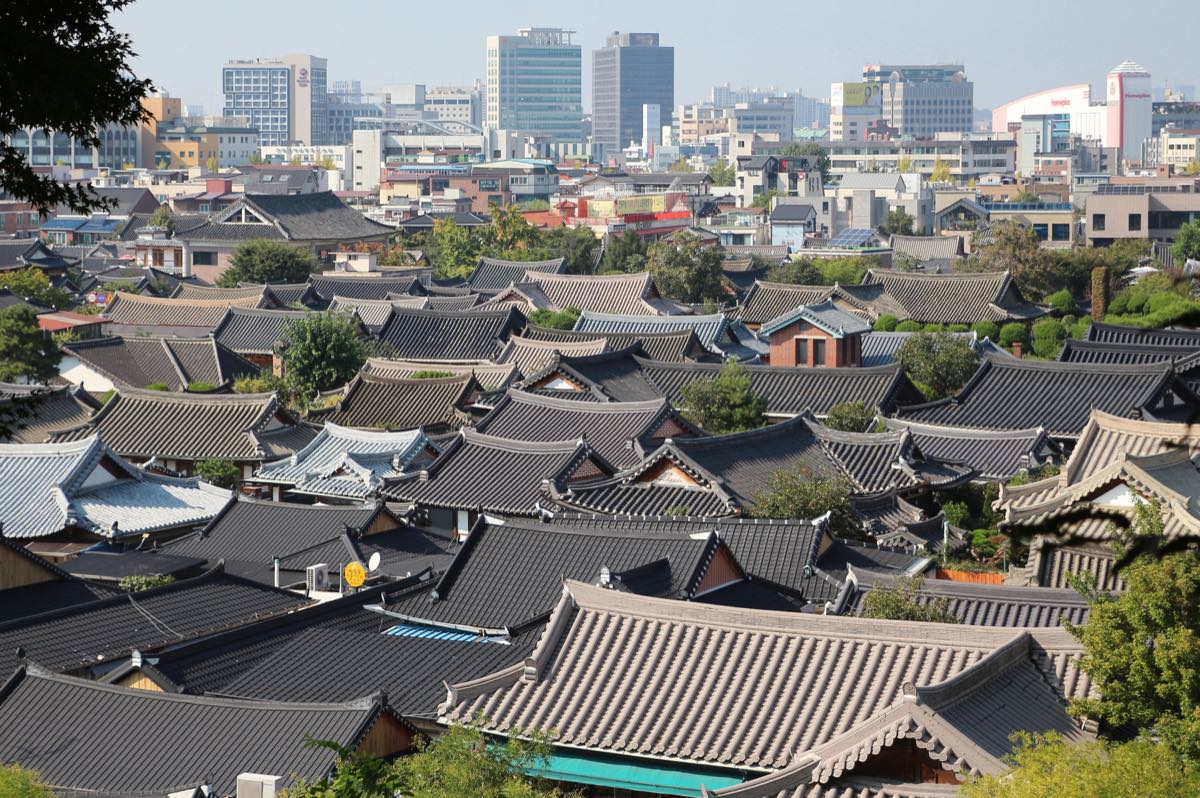
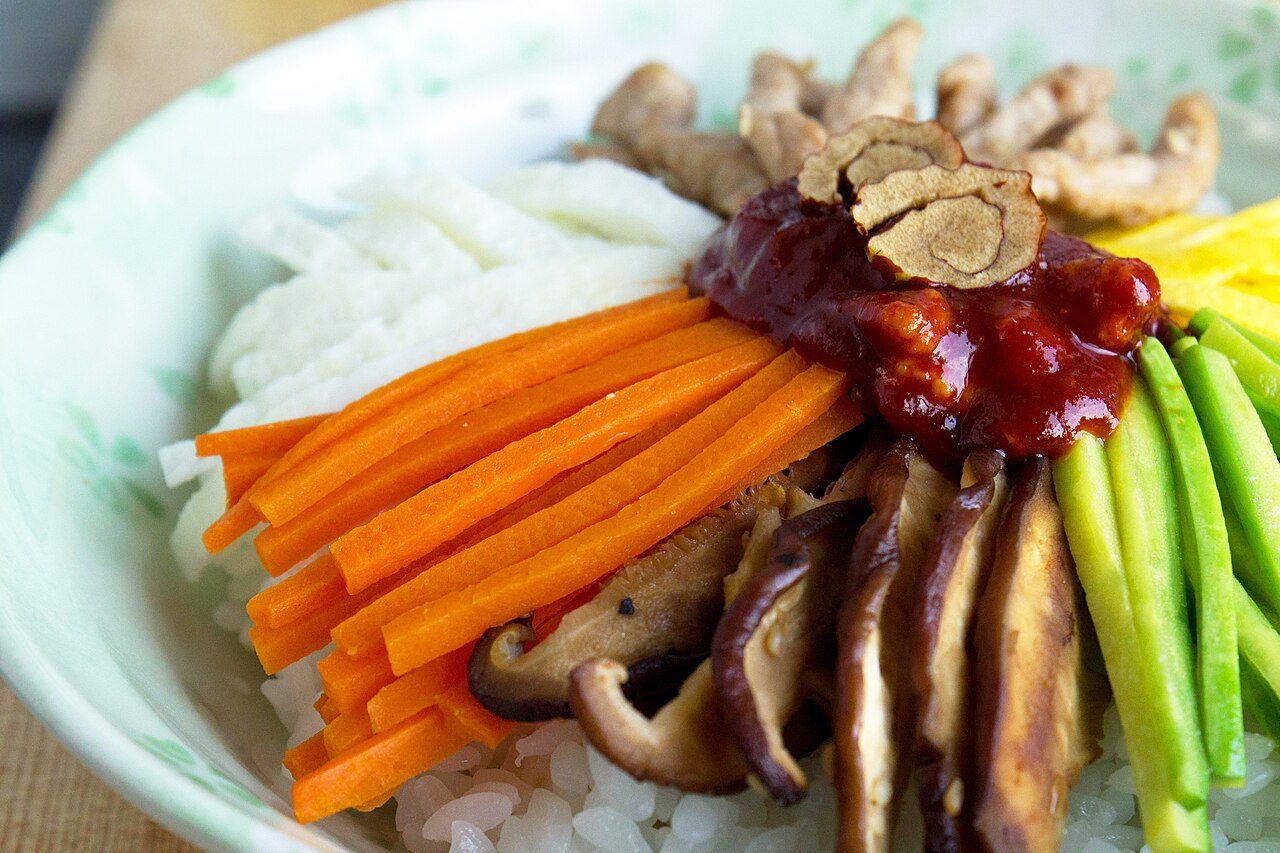
Jeonju is the ancestral home of the Jeonju Yi clan, who founded the Joseon dynasty, and it carries great symbolic weight as the dynasty's birthplace. Its Hanok Village, with more than 700 tiled houses, is always busy with travelers strolling the alleys in hanbok. Gyeonggijeon, which enshrines the portrait of King Taejo (Yi Seong-gye), stands facing the Western-style Jeondong Cathedral. A food city known for Jeonju bibimbap and hanjeongsik (Korean table d'hôte), it has been named a UNESCO Creative City of Gastronomy.
- ›Jeonju Hanok Village — A village of some 700 traditional tiled houses, combining hanbok rentals, street food, and traditional craft workshops. Details →
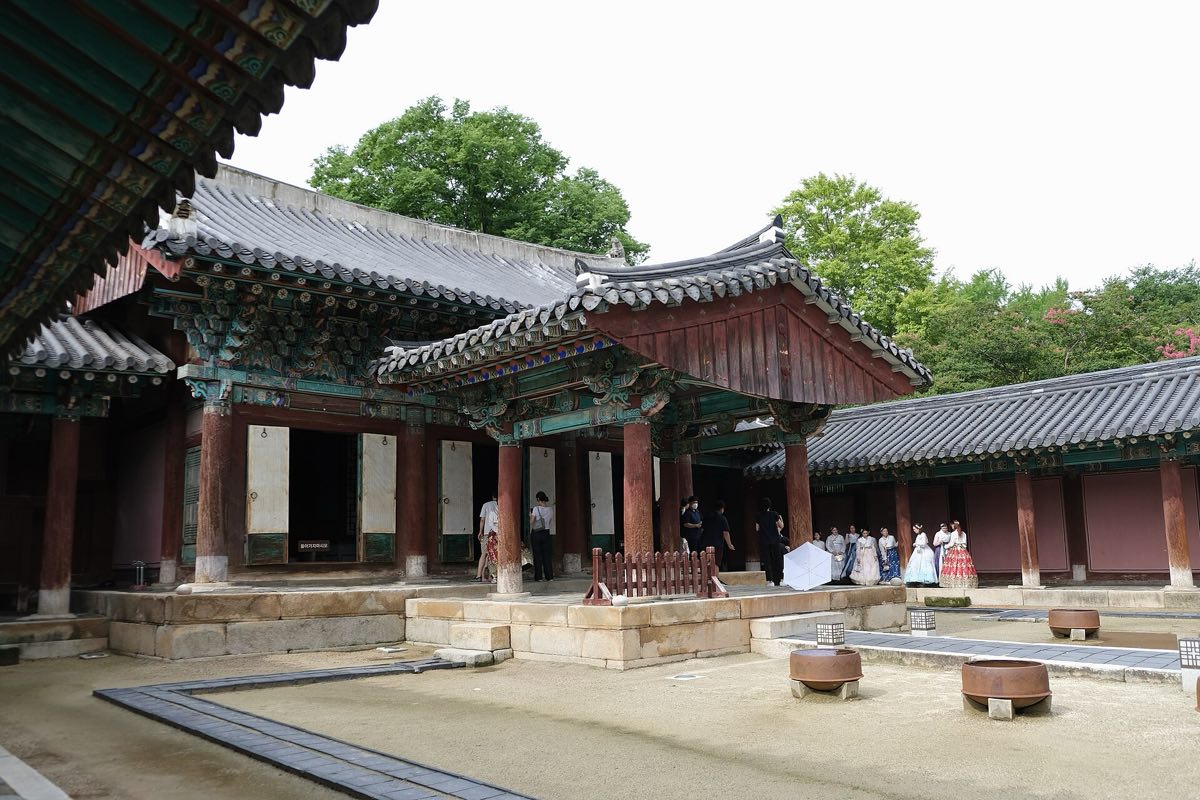
- ›Gyeonggijeon Shrine — A shrine enshrining the royal portrait (eojin) of King Taejo, Yi Seong-gye, reflecting Jeonju's standing as the dynasty's birthplace. Details →
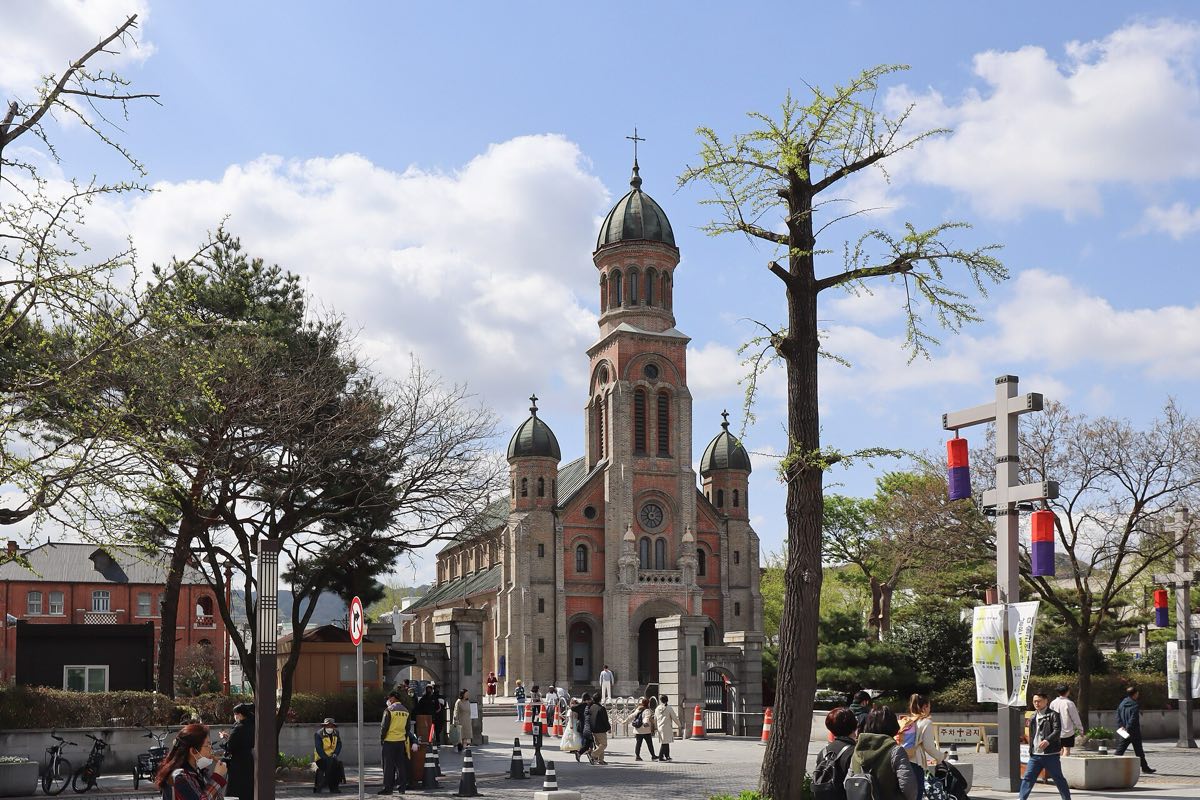
- ›Jeondong Cathedral — A Western-style brick cathedral built in the early 20th century, beloved for the exotic scene it creates alongside the hanok village. Details →
- ›Jeonju bibimbap and hanjeongsik — Jeonju bibimbap with its lavish toppings and the table-filling hanjeongsik course are the signature dishes that made Jeonju a food capital.
Jeonju is the birthplace of the Jeonju Yi clan, the lineage of King Taejo (Yi Seong-gye) who founded Joseon, and his royal portrait is enshrined at Gyeonggijeon. It was also the capital of Later Baekje under Gyeon Hwon, and appears in exams as a symbolic space of Joseon's founding.