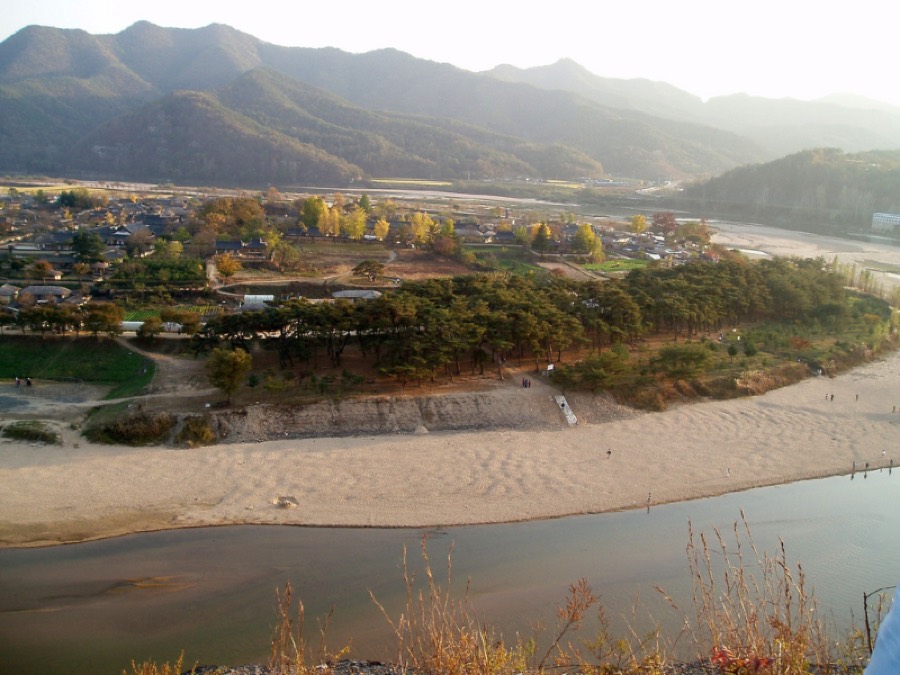
Home of head families and academies — the capital of Korean spiritual culture
Andong is where Joseon-era Neo-Confucianism and yangban (aristocratic) culture took their deepest root, and even today its head-family homes, Confucian academies, and traditional villages remain much as they were — earning it the name 'the capital of Korean spiritual culture.' At the UNESCO-listed Hahoe Village you can see tiled and thatched houses set along a looping river and watch mask-dance performances. Centers of Joseon Confucian learning, such as Dosan Seowon founded by the scholar Yi Hwang (Toegye), are gathered here. Local dishes like Andong jjimdak (braised chicken) and salted mackerel are also famous.
- ›Hahoe Village — A UNESCO World Heritage clan village embraced by a bend of the Nakdong River, where yangban houses and commoners' thatched cottages survive together and the Hahoe Byeolsingut mask dance is handed down. Details →
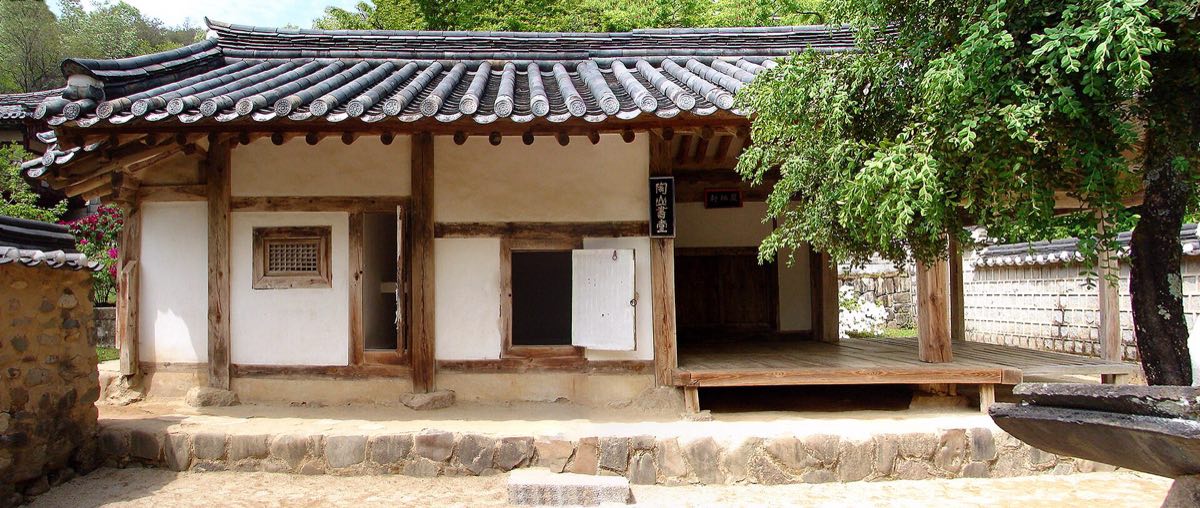
- ›Dosan Seowon — A Confucian academy honoring the scholar Yi Hwang (Toegye), a center of Joseon Neo-Confucianism and one of the UNESCO-listed 'Seowon, Korean Neo-Confucian Academies.' Details →
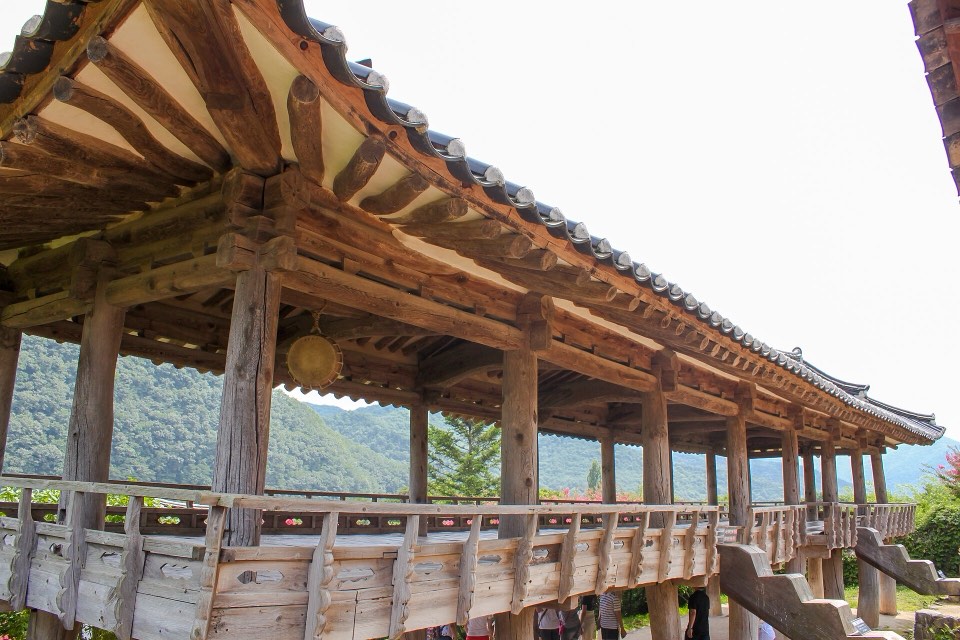
- ›Byeongsan Seowon — An academy famed for its Mandaeru pavilion facing the Nakdong River and the Byeongsan cliffs, dedicated to the statesman Ryu Seong-ryong. Details →
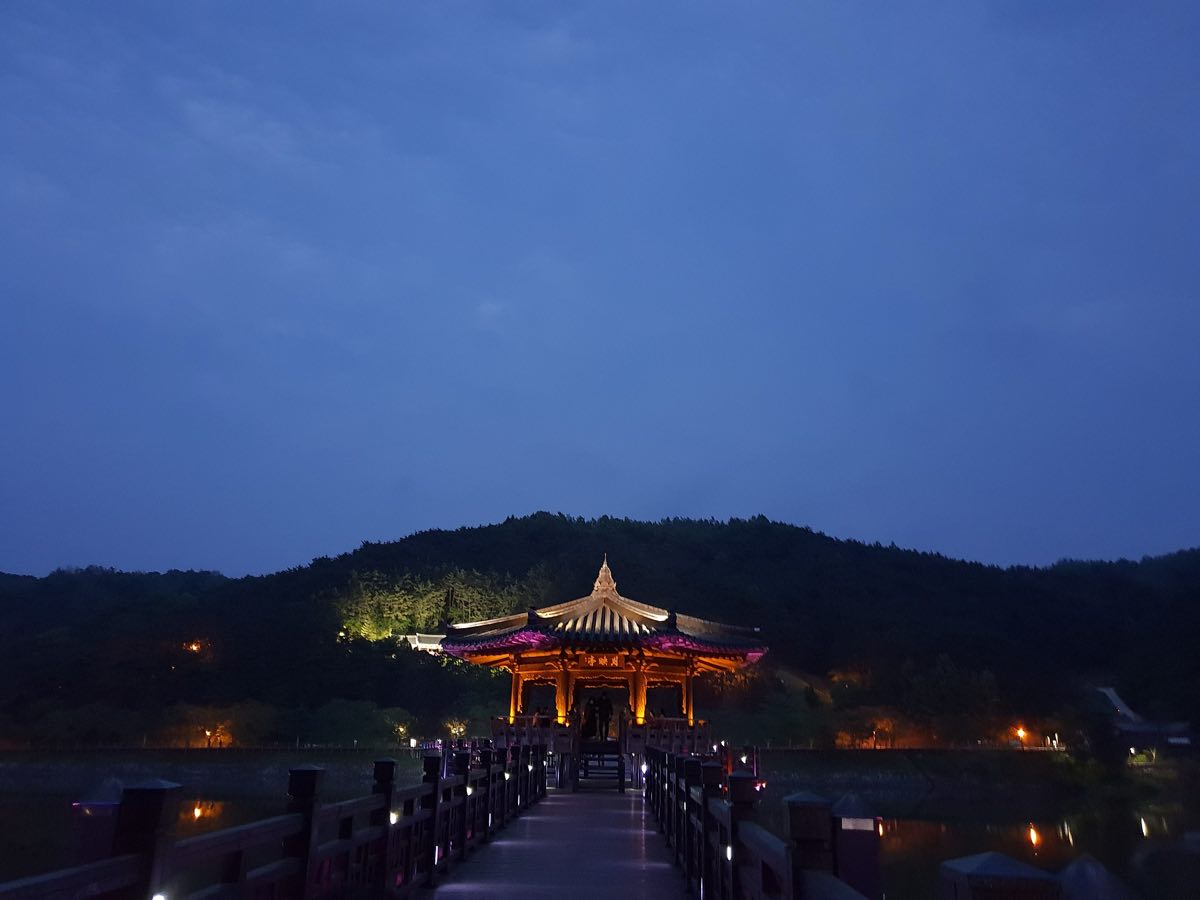
- ›Woryeonggyo Bridge — A wooden footbridge across Andong Lake, a popular strolling spot for its beautiful evening lighting.
Andong was a center of late-Joseon Neo-Confucianism and seowon (Confucian academy) culture, epitomized by Yi Hwang's Dosan Seowon. Through the academies that survived even the Heungseon Daewongun's abolition of seowon, and through hyangyak (village codes) and clan-law order, one can understand Joseon yangban society.