The gateway of Korea's modern opening, and its door to the world
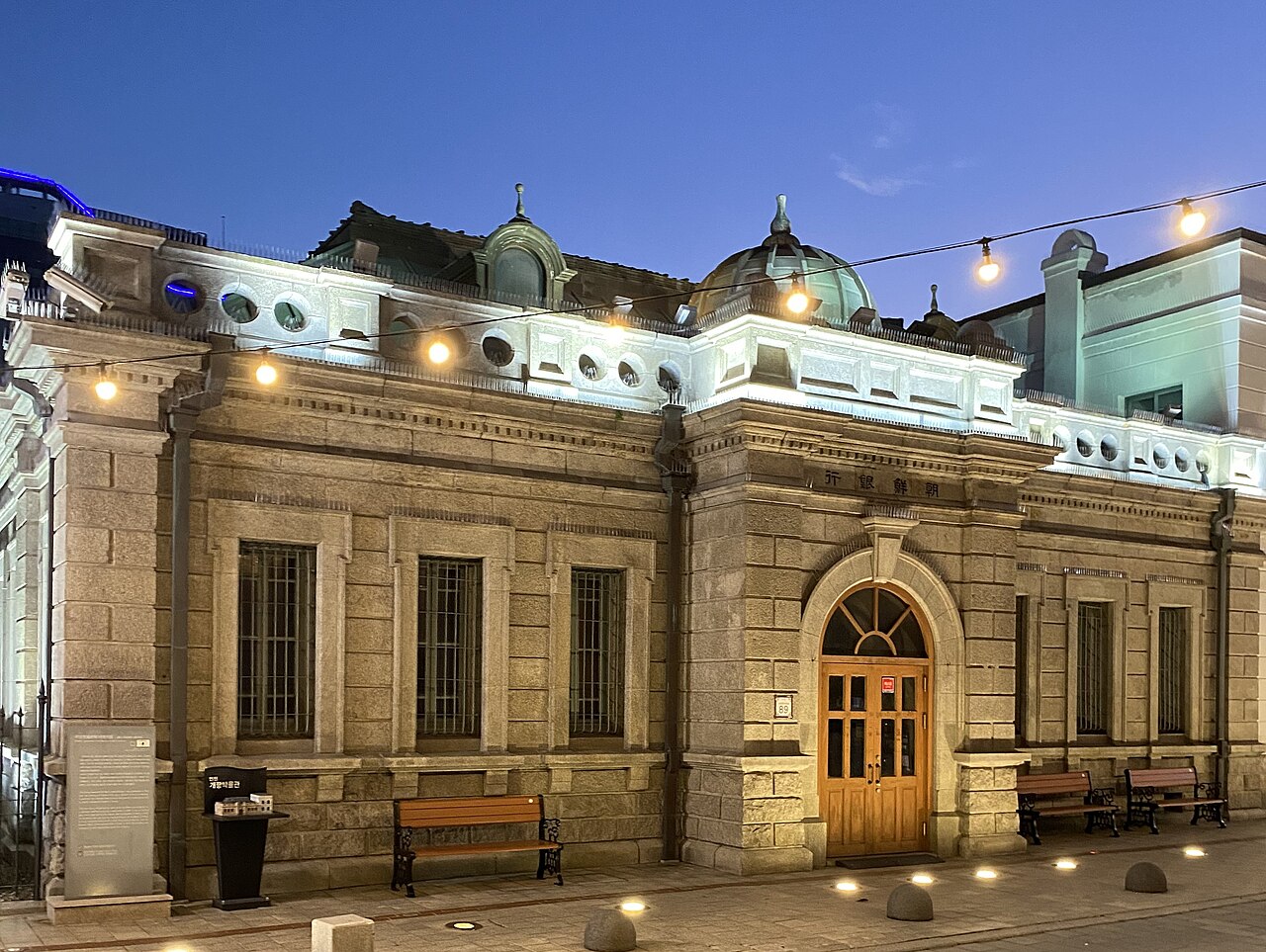
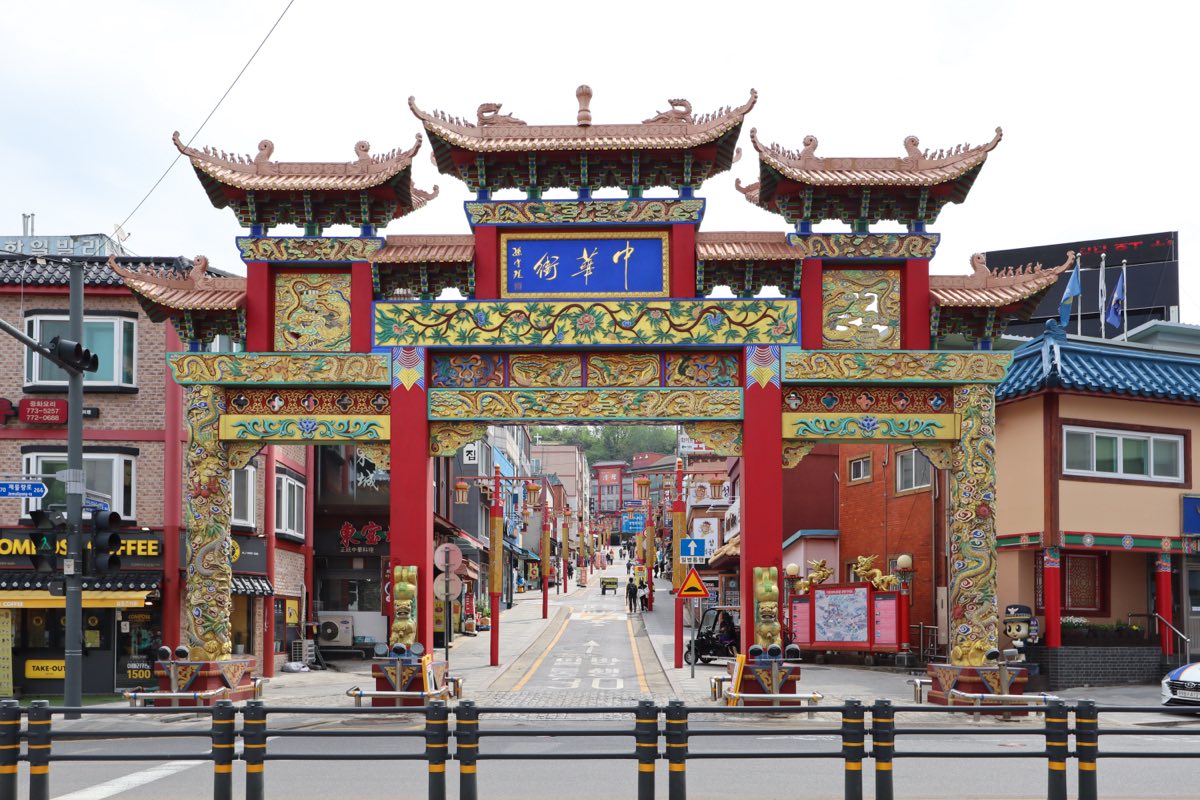
Incheon is the gateway of Korea's modern era, where Western goods first poured in when the port of Jemulpo opened in 1883, and today it is the country's first impression, linked to the world through Incheon International Airport. Around the old open-port district, former Chinese and Japanese concessions and modern buildings remain, and the adjoining Chinatown is famed as the birthplace of Korean-style jjajangmyeon. During the Korean War it was also the stage of the Incheon Landing (1950) that reversed the tide of the war. It is a destination where modern history and an exotic atmosphere can be walked side by side.
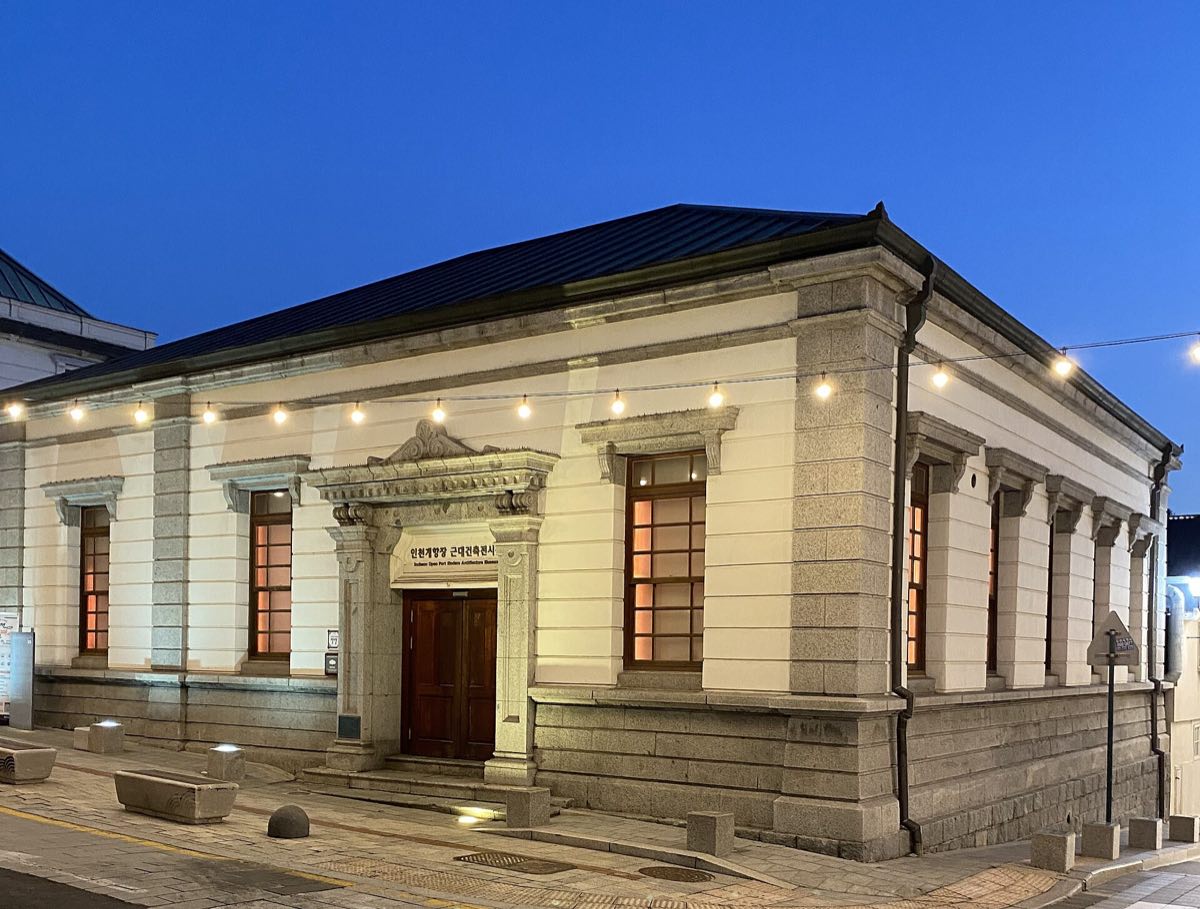
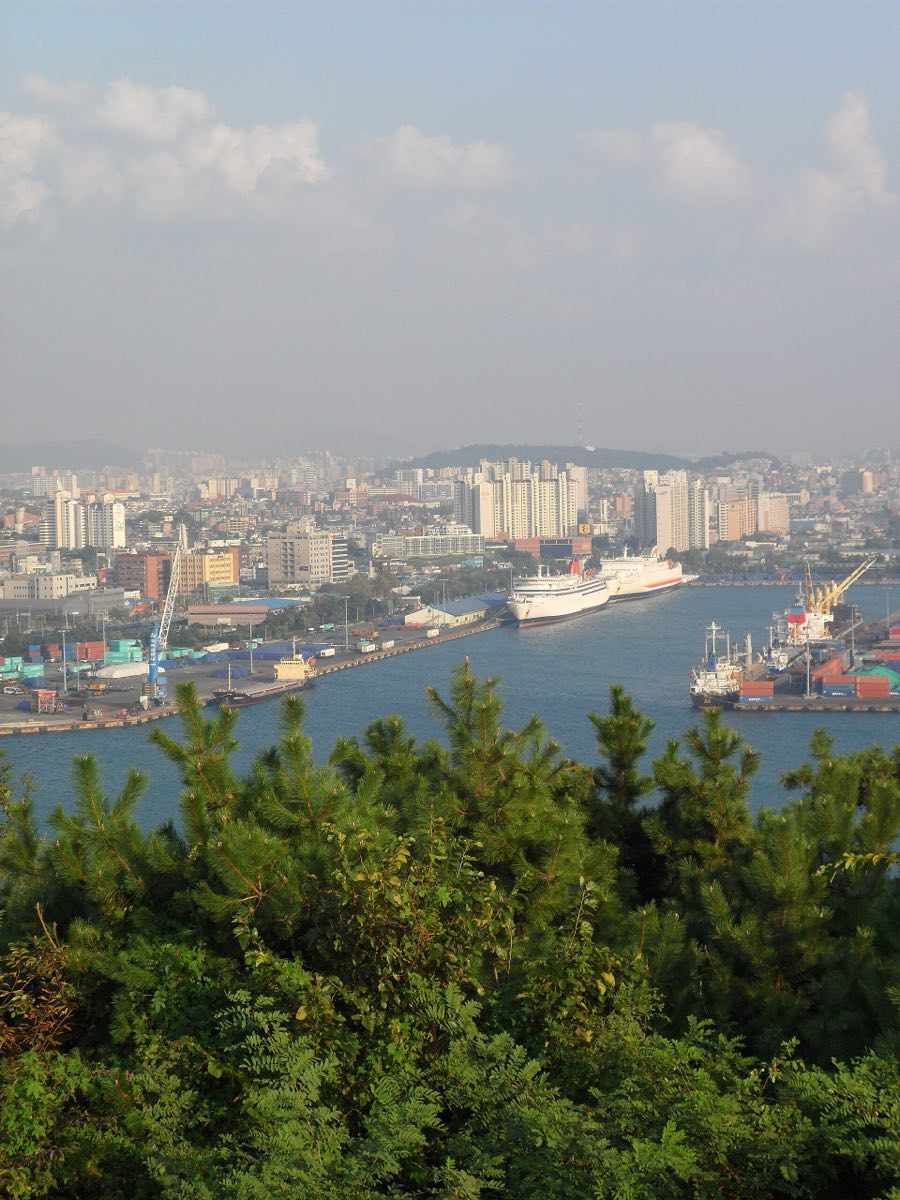
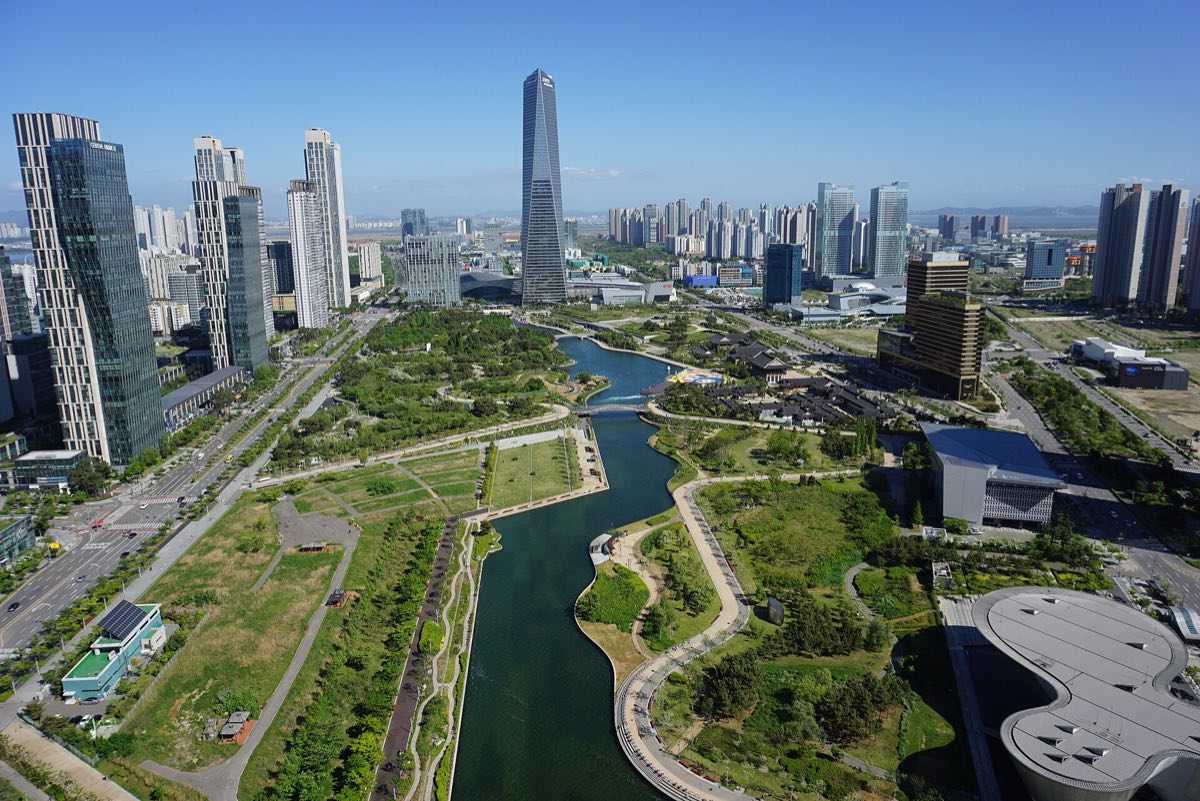
- ›Open Port Modern History Street — A street of former banks and concession buildings from the Jemulpo open-port era, showing the starting point of Korean modernity. Details →
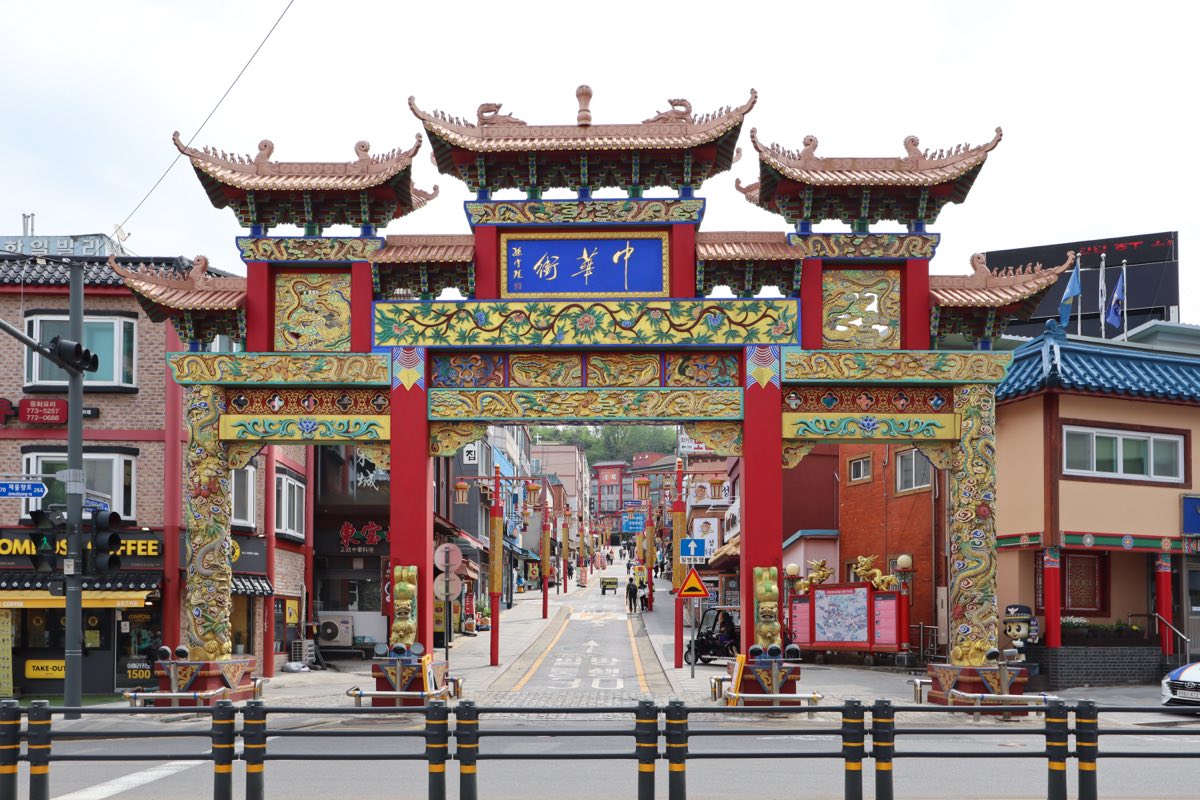
- ›Incheon Chinatown — A Chinese community formed with the opening of the port — the largest Chinatown in Korea, known as the birthplace of jjajangmyeon. Details →
- ›Wolmido and the Incheon Landing Memorial — The area around the landing point of the Incheon operation, with a memorial honoring this turning point of the Korean War. Details →
- ›Songdo International City — A planned city built on reclaimed tidal flats, showing the modern face of the port city of Incheon. Details →
Incheon is a modern open port where Western goods arrived when Jemulpo opened in 1883 following the Treaty of Ganghwa, with traces remaining in its open-port district and Chinatown. It is also the stage of the Incheon Landing (1950) that reversed the tide of the Korean War, a frequent topic in modern history.