The museum without walls — capital of Silla for a thousand years
Gyeongju was the capital of Silla and Unified Silla for nearly a thousand years, from 57 BC to AD 935, and the whole city is like a single archaeological site — hence its nickname, 'the museum without walls.' UNESCO World Heritage sites such as Bulguksa and Seokguram are scattered across its hills and fields, and the giant tombs of Silla kings and nobles dot the town. Spring cherry blossoms and autumn foliage set against the ruins make for especially beautiful scenery. It is a must-visit for travelers interested in history.
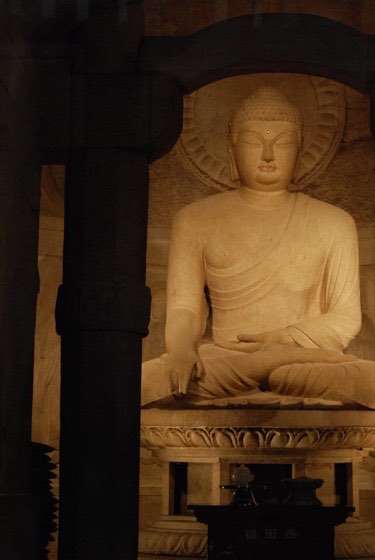
- ›Bulguksa and Seokguram — A temple and grotto shrine begun by Kim Dae-seong under King Gyeongdeok of Unified Silla; the Dabotap and Seokgatap pagodas and the grotto's main Buddha embody the height of Silla Buddhist art. Details →
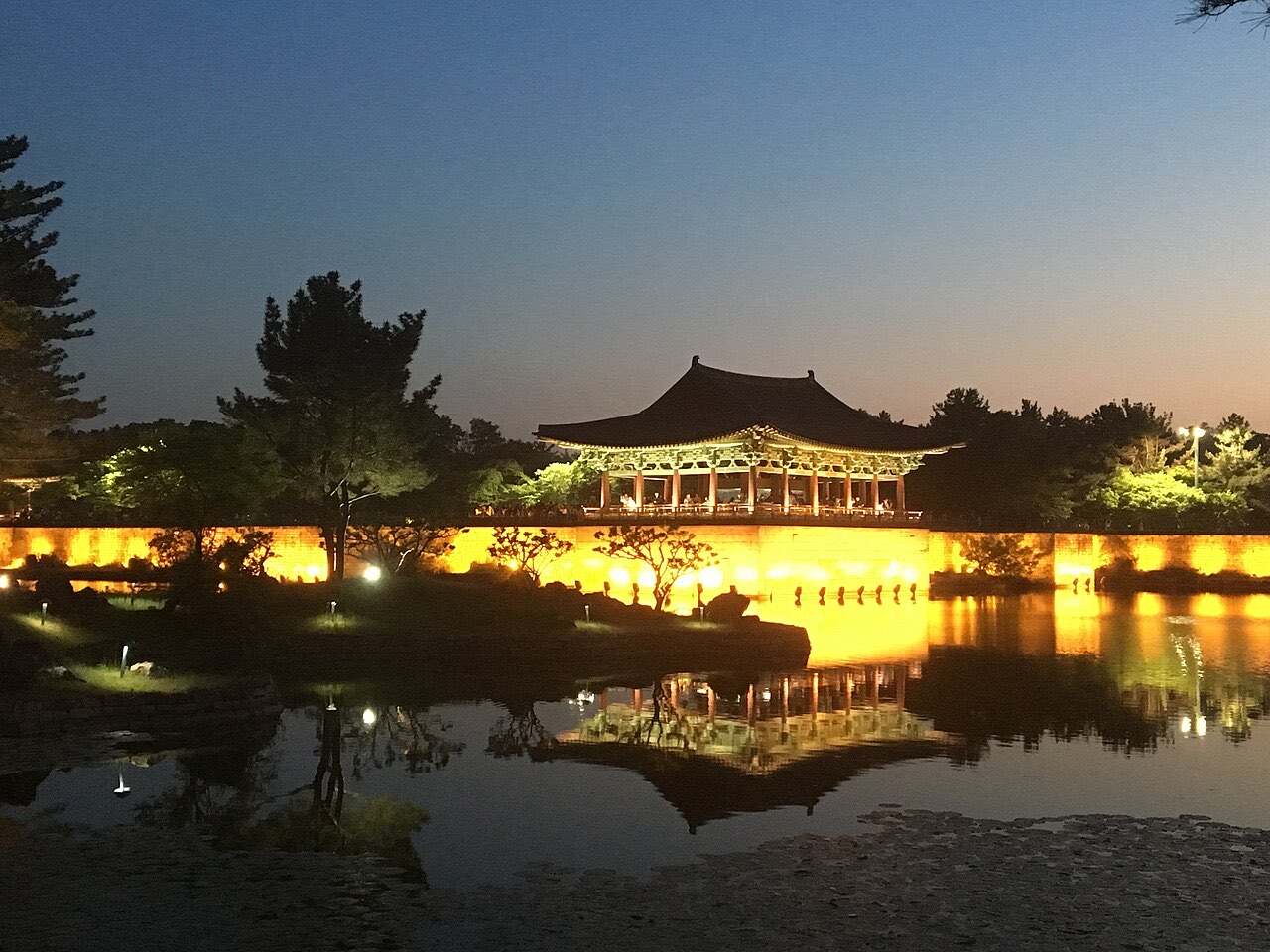
- ›Donggung Palace and Wolji Pond — A detached royal palace and pond of Silla, widely known by its old name Anapji, famed for its reflection-lit night views. Details →
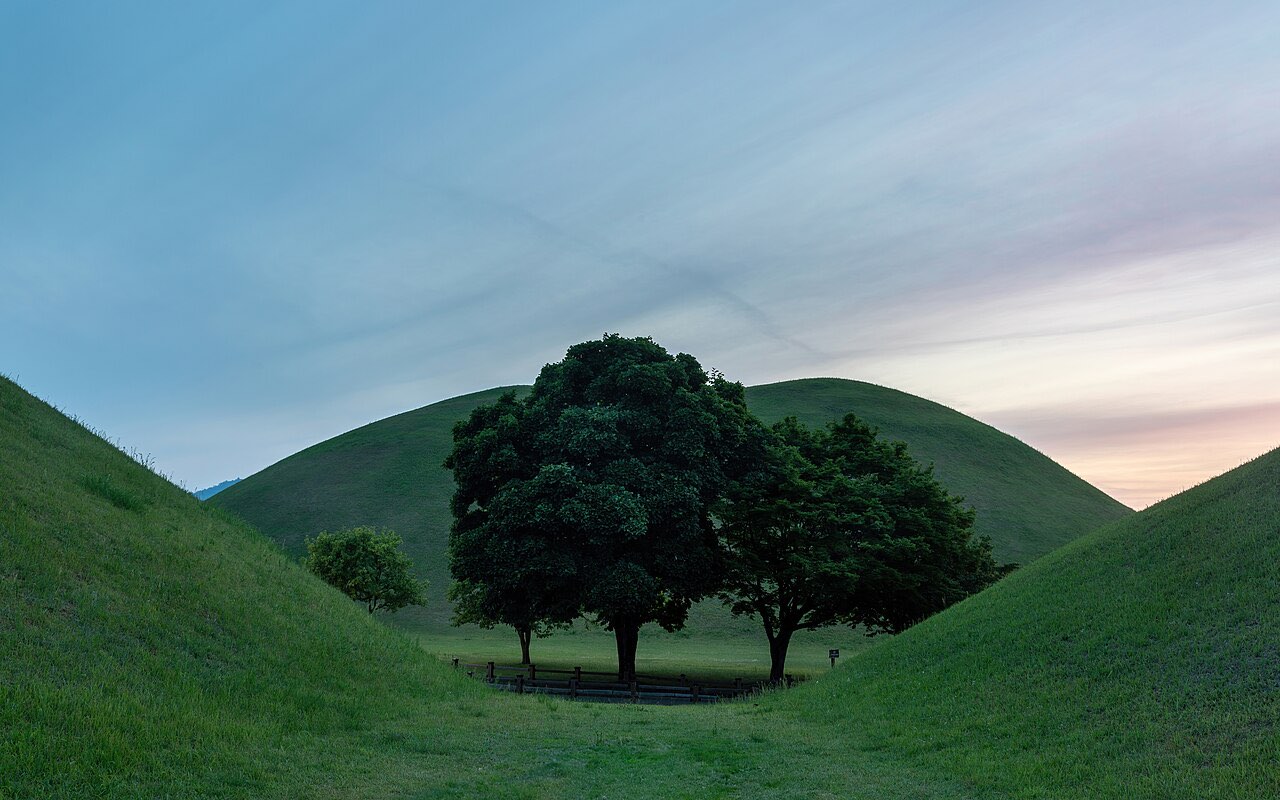
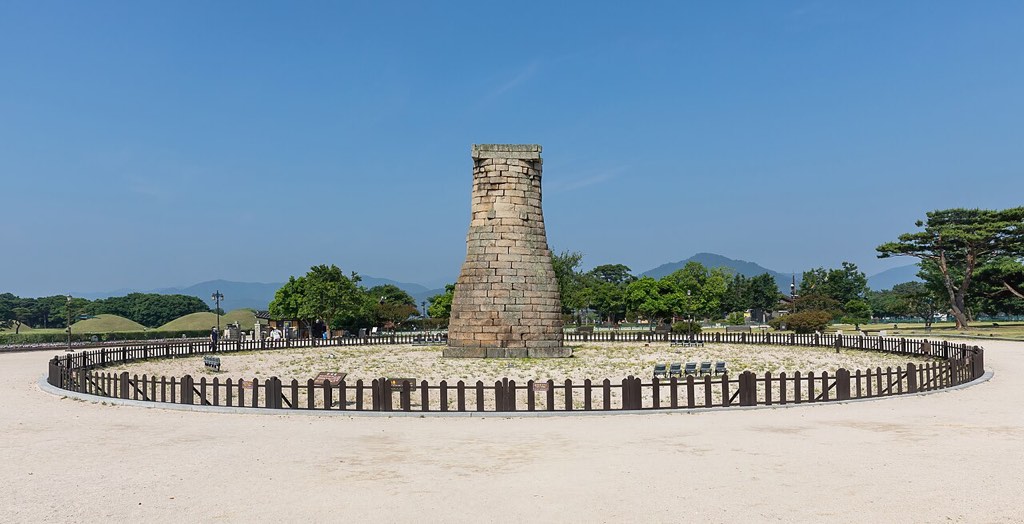
- ›Daereungwon tombs and Cheomseongdae — A cluster of great royal tombs including Cheonmachong, alongside Cheomseongdae, often called the oldest surviving observatory in East Asia, all within the town. Details →
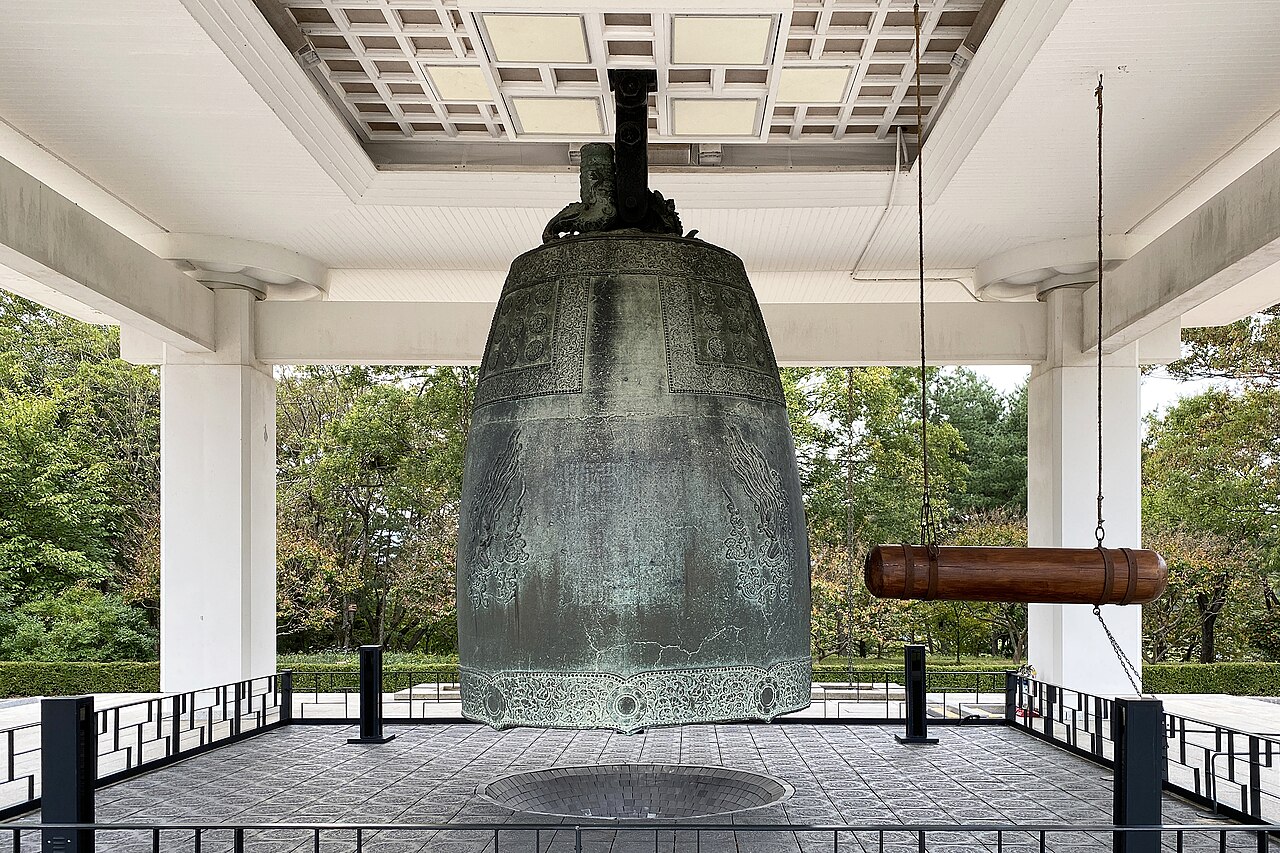
- ›Gyeongju National Museum — Here you can see artifacts unearthed around Gyeongju in one place, including Silla gold crowns and the Divine Bell of King Seongdeok (the Emille Bell). Details →
Gyeongju was the capital of Silla for a thousand years; Bulguksa and Seokguram were begun by Kim Dae-seong under King Gyeongdeok of Unified Silla. The essence of Silla culture — Cheomseongdae, gold crowns, and the Divine Bell of King Seongdeok — is gathered here.