1 Changes in the Governing System — the Bibyeonsa, the Ritual Disputes, and the Political Purges
The two great wars reshaped Joseon's power structure. The Bibyeonsa (Border Defense Council), once a temporary body, became the supreme organ of power, and factional (bungdang) politics degenerated into extreme confrontation through the ritual disputes (yesong) and the political purges (hwan-guk).
- The swelling of the Bibyeonsa — the Three Ports Revolt (King Jungjong, set up temporarily) → the Eulmyo Japanese Raid (King Myeongjong, made permanent) → after the Imjin War it took over all state affairs: the State Council and Six Ministries became nominal, and royal power was restrained. It became the power base of the royal in-laws during the in-law politics era, then was abolished by the Heungseon Daewongun — the "whole life story of the Bibyeonsa" is tested as one question.
- Military reorganization — the central Five Military Camps: the Hullyeon Dogam (during the Imjin War, the samsubyeong three-skill troops — paid soldiers = professional soldiers!) plus the Eoyeongcheong, Chongyungcheong, and Sueocheong (King Injo) and the Geumwiyeong (King Sukjong). In the provinces, the sogo-gun (a levy of everyone from yangban to slaves — working their livelihoods in peacetime, mobilized in emergencies).
- The ritual disputes (yesong, King Hyeonjong) — after the death of King Hyojong (who took the throne as a second son), disputes arose over how long Queen Dowager Jaui should wear mourning: the first, Gihae yesong (the Westerners won, one year) / the second, Gabin yesong (the Southerners won). At heart = Should the royal house follow scholar-official ritual too? (the Westerners, favoring ministerial power) vs. Royal ritual is special (the Southerners, favoring royal power) — not a mere quarrel over mourning clothes but an ideological clash.
- The political purges (hwan-guk, King Sukjong) — the king replaced the ruling faction wholesale: the Gyeongsin purge (1680, the Southerners ousted → the Westerners split into the Noron and Soron) → the Gisa purge (1689, over naming Jang Huibin's son crown prince — the Southerners took power and Song Siyeol was ordered to take poison) → the Gapsul purge (1694, the Westerners returned to power). The result: coexistence collapsed, giving way to one-party dominance and politics of revenge — the background for the rise of tangpyeong theory.
Exam points
- The Bibyeonsa: became the supreme body after the Imjin War → the base of in-law politics → abolished by the Daewongun. The whole arc is one question.
- The Hullyeon Dogam = the samsubyeong three-skill troops + paid soldiers (professionals) — a sign that the universal-conscription system of commoners was breaking down.
- Ritual disputes = King Hyeonjong = mourning clothes = Westerners vs. Southerners / political purges = King Sukjong = one-party dominance. Be careful matching the kings.
2 Reform of the Tax System — the Yeongjeongbeop, the Daedongbeop, and the Gyunyeokbeop
To revive the finances and the people's livelihoods ruined by war, the tax system changed greatly. In particular, the Daedongbeop (the Uniform Land Tax) was the key that opened up the commercial money economy of late Joseon.
| System | Content | Impact |
|---|---|---|
| Yeongjeongbeop (King Injo, 1635) | Fixed the land tax at 4 du per gyeol regardless of harvest | Lowered the land-tax rate — but various surtaxes kept the farmers' burden as heavy as ever |
| Daedongbeop (King Gwanghae 1608 – King Sukjong 1708) | Unified tribute (local specialties assessed per household) into rice (12 du per gyeol), cloth, or coin assessed by landholding | Removed the abuses of tribute contracting (bangnap), eased the burden on landless farmers, and brought the rise of licensed merchants (gongin) → the growth of a commercial money economy. Landlord resistance meant it took 100 years to extend nationwide (proposed by Yi Wonik → expanded through the efforts of Kim Yuk) |
| Gyunyeokbeop (King Yeongjo, 1750) | Cut the military cloth tax from 2 bolts to 1 | The shortfall was covered by: the gyeoljak surcharge (2 du per gyeol of land) + the seonmu gungwan cloth tax (on the wealthy) + taxes on fisheries, salt, and ships — shifting the burden onto land |
- The butterfly effect of the Daedongbeop — licensed merchants (gongin) who supplied goods to government offices appeared → stimulating handicrafts and commerce → the spark for a commercial money economy. The shift from "assessment by household → assessment by land" was a step forward for tax fairness.
- Limitations — presentation and special tribute survived, and exploitation by local offices continued. The Gyunyeokbeop's gyeoljak surcharge was often passed on to tenant farmers — "the gap between a reform's intent and reality" is an essay point.
Exam points
- The Daedongbeop causal chain: the abuses of tribute contracting → rice assessed by land → licensed merchants → a commercial money economy. A frequent essay topic.
- The three supplements of the Gyunyeokbeop: the gyeoljak surcharge, the seonmu gungwan cloth tax, and taxes on fisheries, salt, and ships.
- The Daedongbeop's 100 years (from Gyeonggi under King Gwanghae → nationwide under King Sukjong) — the reason for the delay = resistance from yangban landlords.
3 Economic Change — Rice Transplanting and the Commercial Money Economy
In the 17th–18th centuries, advances in farming technology and markets transformed the foundations of Joseon society. Two chains are key: "rice transplanting → large-scale farming → the differentiation of the peasantry" and "the growth of private merchants → monopoly wholesalers (dogo)."
| Private merchants (sasang) | Base | Activities |
|---|---|---|
| Songsang | Kaesong | Nationwide branches called 'songbang,' ginseng cultivation and sale, and intermediary trade between Qing and Japan |
| Gyeonggang merchants | Han River | Shipping grain and fish (as boat merchants), swaying Seoul's prices |
| Mansang | Uiju | Trade with Qing (the private market at Chaengmun) |
| Naesang | Dongnae | Trade with Japan (the official market at the Japanese quarter, Waegwan) |
- Agriculture — rice transplanting spread nationwide: it cut the labor of weeding and allowed double cropping of rice and barley → one person could farm more land (large-scale farming, gwangjak) → some became rich farmers (managerial rich farmers), while many lost their land and became wage laborers — the differentiation of the peasantry. Cash crops were grown (tobacco, ginseng, cotton, vegetables — "money grows in the fields"), along with famine-relief crops (the sweet potato from Japan in the 18th c., the potato from Qing in the 19th c.). Rent changed: the tajo system (a fixed 1/2 share) → in part the dojo system (a fixed amount — favorable to farmers).
- Commerce — over 1,000 markets (a network of five-day markets served by peddlers, bobusang), port commerce (gaekju and yeogak brokers — lodging, finance, and consignment sales), and the growth of licensed and private merchants → dogo (monopoly wholesalers — with the abuse of cornering the market too). External trade: the official markets (gaesi) and the private markets (husi).
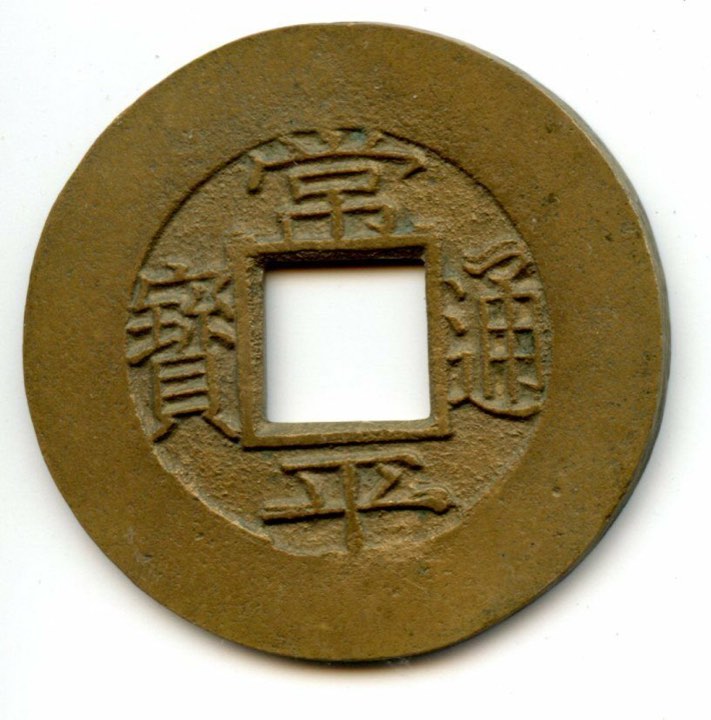
- Currency, mining, and handicrafts — Sangpyeong tongbo circulated nationwide (King Sukjong) — taxes and rent were paid in cash. A side effect was jeonhwang (a coin shortage as landlords and merchants hoarded money — Yi Ik's argument for abolishing coinage). Mines: the seoljeom suse system (licensing and taxing) → illegal mining spread, with a division of labor among the deokdae (professional manager), the mulju (capital), and the gwang-gun (labor). Handicrafts: the putting-out system (dominated by merchant capital) → independent handicrafts emerged by the late 18th century.
Exam points
- Rice transplanting → double cropping and large-scale farming → the differentiation of the peasantry — the starting point of late-Joseon social change.
- Match the private merchants: Songsang (Kaesong, songbang, ginseng) / Gyeonggang (Han River, shipping) / Mansang (Uiju, Qing) / Naesang (Dongnae, Japan).
- Deokdae = a professional mine manager / jeonhwang = a coin shortage — a term-definition question.
4 The Tangpyeong Politics of Kings Yeongjo and Jeongjo
Having witnessed the harm of the political purges, Kings Yeongjo and Jeongjo suppressed the factions and pursued tangpyeong (impartial) politics in which the king led affairs of state. Distinguishing the two kings' achievements is the most frequent question in this unit.
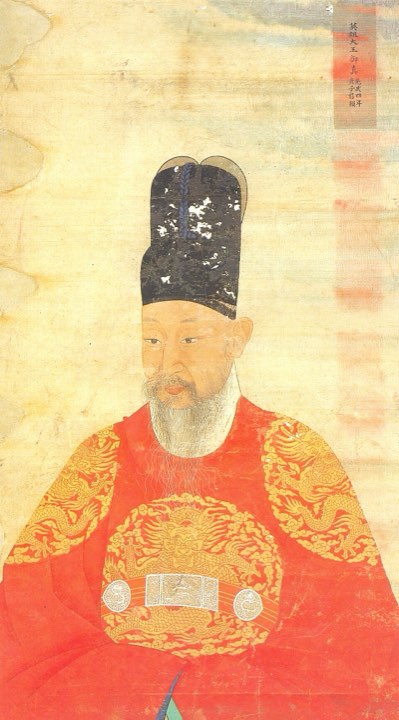
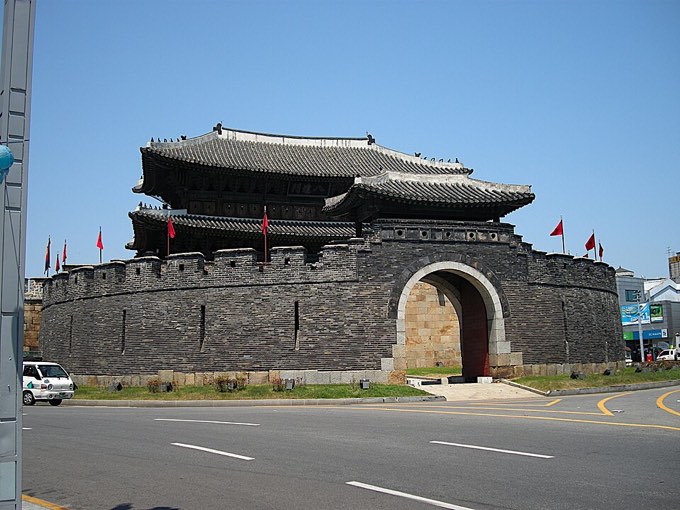
Photo — Paldalmun Gate, Hwaseong Fortress, Suwon: Kbarends, CC BY-SA 3.0
| Category | King Yeongjo (moderate tangpyeong) | King Jeongjo (principled tangpyeong) |
|---|---|---|
| Politics | Erected the Tangpyeong Stele (at the Seonggyungwan), fostered a tangpyeong faction, denied the authority of the sallim (retired scholar-leaders), greatly reduced the number of seowon (Confucian academies), and put down the Yi Injwa Rebellion (1728) | The Gyujanggak (the brain of reform, retraining officials through the chogyemunsin system), the Jangyongyeong (a royal guard unit), and having magistrates oversee the hyangyak (village codes) to check the local literati |
| Livelihood & economy | The Gyunyeokbeop (1750), the revival of the Sinmun-go petition drum, and the dredging of the Cheonggye Stream | The Sinhae Tonggong (1791, abolishing the geumnanjeon monopoly rights except for the Six Licensed Stores — free commerce for private merchants) |
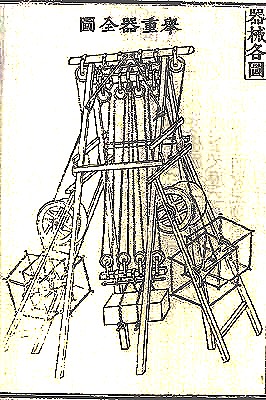
| Compilation & culture | The Sokdaejeon and the Dongguk munheon bigo | The Daejeon tongpyeon, the Muye dobo tongji, and Hwaseong Fortress in Suwon (1796, built with Jeong Yagyong's geojunggi crane) |
| Talent | — | Appointing the seoeol (sons of concubines) — as Gyujanggak librarians (Bak Jega, Yi Deokmu, Yu Deukgong) |
- The essence of tangpyeong — it did not abolish the factions themselves but suppressed them by royal power. After King Yeongjo's tragedy, the Imo Incident (1762, when Crown Prince Sado was shut in a rice chest), a latent conflict simmered between the Sipa and Byeokpa factions.
- Hwaseong Fortress in Suwon — King Jeongjo's new reform city (built around relocating his father Prince Sado's tomb and creating a base for his royal guard). Jeong Yagyong's geojunggi crane (a pulley device) and windlass shortened construction time, and the entire process was recorded in the Hwaseong seongyeok uigwe (a UNESCO World Heritage site and a Memory of the World document).
- Limitations — the stability depended on the individual king's ability → after King Jeongjo's sudden death (1800) and the accession of the child King Sunjo, it collapsed rapidly into in-law politics.
Exam points
- King Yeongjo (the Tangpyeong Stele, the Gyunyeokbeop, the Sokdaejeon) vs. King Jeongjo (the Gyujanggak, the Jangyongyeong, Hwaseong, the Sinhae Tonggong, the librarians) — the most frequent question.
- The Sinhae Tonggong = abolishing the geumnanjeon monopoly rights (except the Six Licensed Stores) = the growth of private merchants — link to the economy section.
- The chogyemunsin system and the Gyujanggak librarians (seoeol) = King Jeongjo's talent policy.
5 Silhak, National Studies, and the Development of Science
When Neo-Confucianism failed to solve real-world problems, Silhak (Practical Learning), an empirical and practical scholarship, arose. It divided into agriculture-centered reform (the agrarian school), commerce-and-industry-centered reform (the mercantile school and the Bukhak "Northern Learning" school), and National Studies, which researched things of our own.
| School | Figures and arguments |
|---|---|
| Agrarian school (gyeongse chiyong) | Yu Hyeongwon (the gyunjeon equal-field theory, the Bangye surok) · Yi Ik (the hanjeon limited-field theory — banning sale of the base livelihood field, and the "six moths" eating away at the nation) · Jeong Yagyong (the yeojeon village-land theory → the jeongjeon well-field system; the Mongmin simseo, Gyeongse yupyo, and Heumheum sinseo; the geojunggi crane and pontoon bridge — exiled to Gangjin for 18 years in the Sinyu Persecution, writing over 500 volumes) |
| Mercantile school (iyong husaeng; the Bukhak school) | Yu Suwon (the Useo — equality among the occupations of scholar, farmer, artisan, and merchant) · Hong Daeyong (the Uisan mundap — the theory that the earth rotates and of an infinite universe, "abandon the idea that China is the center of the world") · Bak Jiwon (the Yeolha ilgi — arguing for the use of carts, ships, and money) · Bak Jega (the Bukhagui — a theory of consumption, "well water refills only when you draw it," and the active adoption of Qing culture) |
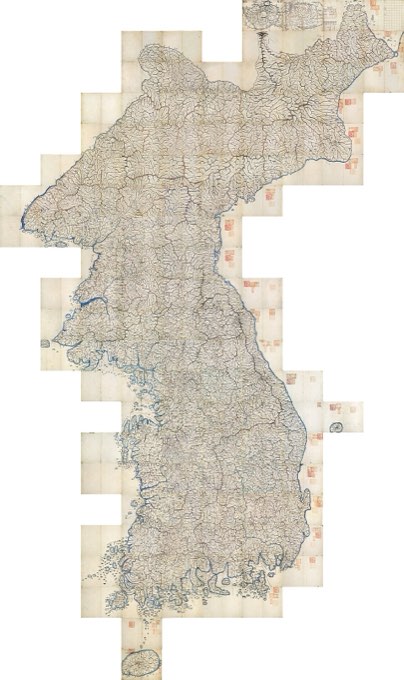
| National Studies | An Jeongbok (the Dongsa gangmok — a theory of orthodox succession in our history) · Yu Deukgong (the Balhaego — the first use of the term "North–South States") · Yi Geung-ik (the Yeollyeosil gisul) · Yi Junghwan (the Taengniji) · Jeong Sanggi (the Dongguk jido, the first to use the 100-ri scale) · Kim Jeongho (the Daedongyeojido — 10-ri gridlines, woodblock-printed) · Sin Gyeongjun and Yu Hui (studies of the Korean language) |
- Science and evidential scholarship — Kim Seokmun and Hong Daeyong's theory that the earth rotates (a blow to the Neo-Confucian Sinocentric worldview), the adoption of the Shixian calendar (Kim Yuk), Jeong Yakjeon's Jasan eobo (recording 155 species of fish during his exile on Heuksando), Yi Jema's Dongui suse bowon (Sasang constitutional medicine), and Jeong Yagyong's Magwa hoetong (introducing smallpox vaccination). Kim Jeonghui: the Geumseok gwaannok — proving by evidence that the Bukhansan stele is a royal tour stele of King Jinheung (link to Unit Ⅰ!), and the Chusa calligraphic style.
- Western Learning and Donghak — Catholicism: received as scholarship in the 17th c. (Yi Sugwang's Jibong yuseol) → adopted as a faith by the Southerners in the late 18th c. (Yi Seunghun the first to be baptized) → persecuted over its refusal of ancestral rites: the Sinhae Persecution (the Jinsan Incident of 1791) → the Sinyu Persecution (1801, when Yi Seunghun and Jeong Yakjong were executed, Jeong Yagyong and his brothers exiled, and the Hwang Sayeong silk-letter affair occurred). Its ideas of equality drew a response from women, the middle class (jungin), and commoners. Donghak (1860, Choe Jewu of Gyeongju) — sicheonju ("bearing heaven within") and innaecheon ("man is heaven"), a coming great transformation (hucheon gaebyeok), and the scriptures Donggyeong daejeon and Yongdam yusa → Choe Jewu was executed for "deluding the world and deceiving the people" (1864), and Choe Sihyeong rebuilt the order (the pojeop parish system) → leading to the Donghak Peasant Movement in Unit Ⅵ.
Exam points
- Match the schools, figures, and works: the agrarian school (land reform: gyunjeon–hanjeon–yeojeon) vs. the mercantile school (Qing culture; commerce and industry).
- Jeong Yagyong's three works (the Mongmin simseo, Gyeongse yupyo, and Heumheum sinseo) + the yeojeon theory + the geojunggi crane.
- Yu Deukgong's Balhaego ("North–South States") — link to Unit Ⅱ. Kim Jeonghui's Geumseok gwaannok — link to the royal tour steles in Unit Ⅰ.
- Donghak = innaecheon + the Donggyeong daejeon and Yongdam yusa + Choe Jewu → Choe Sihyeong.
6 The Rise of Popular Culture and the Shaking of the Status System
Commoners with economic means emerged as both consumers and leading figures of culture. At the same time, the yangban-centered status order began to crumble from below.
- Literature — Hangeul novels: The Tale of Hong Gildong (by Heo Gyun — criticizing discrimination against the seoeol, the first Hangeul novel), The Tale of Chunhyang (love across status lines), The Tale of Sim Cheong, and The Tale of Heungbu. The saseol sijo (breaking with poetic form, expressing commoners' honest feelings). Satire in classical Chinese literature: Bak Jiwon's The Tale of a Yangban, The Tale of Heo Saeng, and The Tiger's Rebuke (the hypocrisy of the yangban) and Jeong Yagyong's "Aejeolyang" (denouncing the corruption of the three tax administrations). The middle class and the seoeol formed sisa (poetry societies).
- Performing arts — pansori (the five surviving stories, including the Song of Chunhyang and the Song of Sim Cheong, arranged by Sin Jaehyo in the 19th c. — UNESCO Intangible Cultural Heritage) and mask dance-drama (the Bongsan mask dance, the Hahoe byeolsingut, and the sandae play — in which the servant Malttugi mocks the yangban).
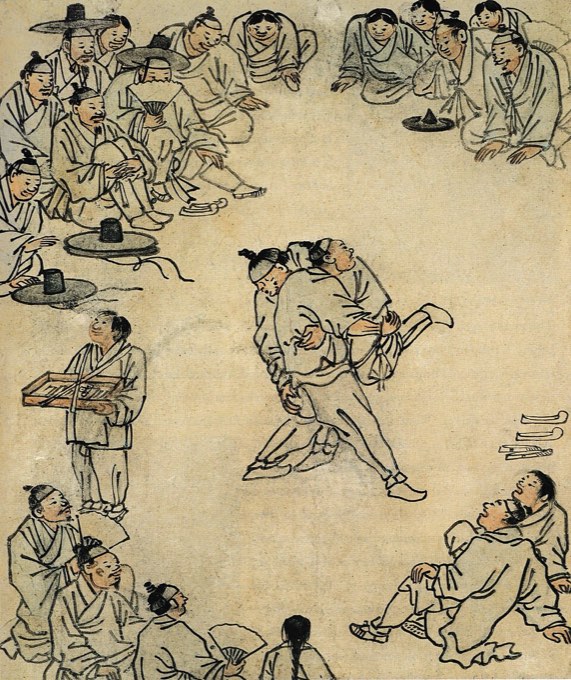
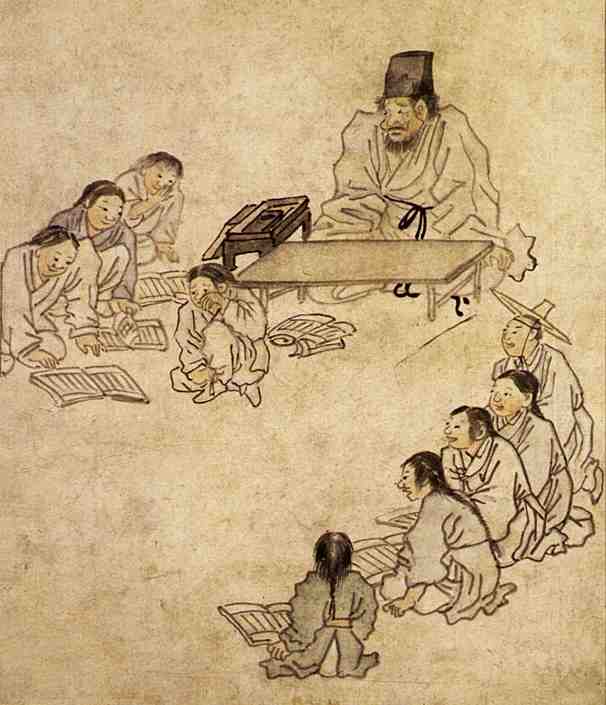
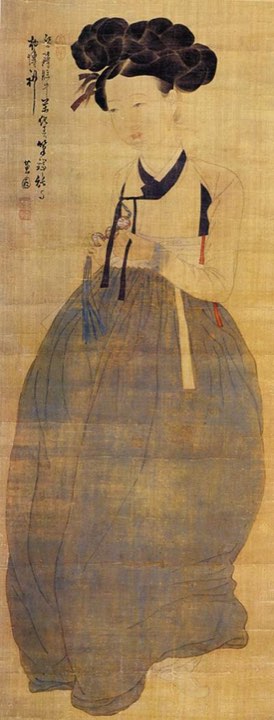
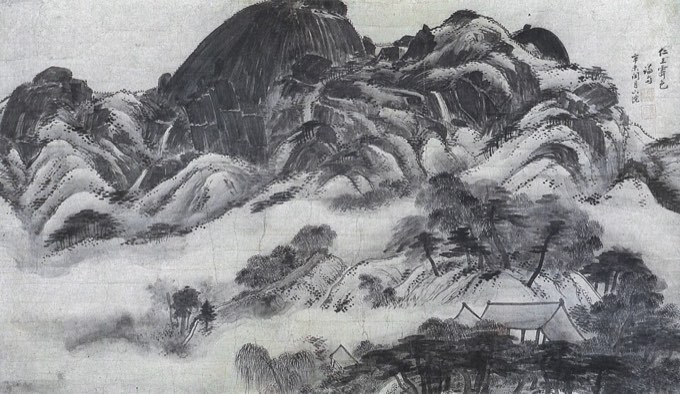
- Painting and ceramics — genre painting: Kim Hongdo ("Wrestling" and "Village School" — everyday commoner life) vs. Sin Yunbok ("Portrait of a Beauty" and "Scene on Dano Day" — the customs of the yangban and of women). True-view landscape painting: Jeong Seon ("Clearing After Rain on Mt. Inwang" and "Complete View of Mt. Geumgang" — not imagined Chinese scenery but sketched directly from our own mountains and streams). Folk painting (magpie-and-tiger and letter paintings — commoners' wishes and humor), calligraphy (Kim Jeonghui's Chusa style), and blue-and-white porcelain (pure white porcelain with blue designs) and earthenware.
- The shaking of the status system — a surge in yangban: the gongmyeongcheop (appointment certificates with the name left blank), the napsok policy (raising one's status by donating grain), and forged genealogies → "the whole district is yangban" (Jeong Yagyong). The middle class's petition movement (under King Cheoljong — it failed but their status consciousness grew) and the seoeol's tongcheong movement for office (bearing some fruit through King Jeongjo's appointment of them as librarians). Slaves: the nobi jongmo law (King Yeongjo — status followed the mother), the emancipation of public slaves (King Sunjo, 1801) → the abolition of slavery (the Gabo Reforms, 1894). Family order: strengthened patrilineality — eldest-son inheritance and eldest-son performance of rites, a ban on widow remarriage, and single-surname villages — the exact opposite of Goryeo and early Joseon (the disappearance of equal inheritance).
Exam points
- Match the paintings: Kim Hongdo (everyday commoner life) vs. Sin Yunbok (yangban and women) — a common image question. True-view landscape = Jeong Seon = our own mountains and streams.
- The gongmyeongcheop and napsok = means of the shaking of the status system. The emancipation of public slaves = King Sunjo, 1801.
- Compare women's status: Goryeo to early Joseon (equal inheritance, freedom to remarry) ↔ late Joseon (eldest-son-centered, a ban on remarriage) — a cross-period integrated question.
7 In-Law Politics and the Peasant Uprisings
For about 60 years over three reigns after King Jeongjo's death, royal in-law families such as the Andong Kim and the Pungyang Jo monopolized power (in-law politics, sedo jeongchi). Their exploitation appeared as the corruption of the three tax administrations (samjeong) and finally exploded into nationwide peasant uprisings.
| The three tax administrations | The reality of the corruption |
|---|---|
| Jeonjeong (land tax) | Jingyeol (taxing wasteland), eungyeol (omitting land from the registers and pocketing the tax), and various surtaxes |
| Gunjeong (military cloth tax) | Baekgol jingpo (levying it on the dead), hwanggu cheomjeong (levying it on infants), and jokjing and injing (collecting it instead from relatives and neighbors) |
| Hwan-gok (relief grain loans) | Forced loans, mixing in chaff (bunseok), and falsifying the ledgers — the most severe abuse of all. A relief system degenerated into usury |
- The structure of in-law politics — a child king (King Sunjo at 11, King Heonjong at 8, King Cheoljong the "Ganghwa farm boy") + the in-laws' control of the Bibyeonsa + the sale of offices (those who bought a magistracy squeezed it back out of the people) — the source of a corrupted examination system and the corruption of the three tax administrations.
- The Hong Gyeongnae Rebellion (1811) — discrimination against Pyeongan Province (the northwest) + exploitation under in-law politics. A coalition of the fallen yangban Hong Gyeongnae + a merchant (U Gunchik) + mine workers and farmers — it seized eight towns north of the Cheongcheon River and held out for five months at Jeongju-seong before being suppressed. Even afterward, rumors that "Hong Gyeongnae is still alive" stirred the people's hearts.
- The Imsul Peasant Uprising (1862, King Cheoljong) — it began in Jinju (the greed of Baek Naksin, the right army commander of Gyeongsang; led by the fallen yangban Yu Gyechun) → spreading to over 70 places nationwide. The government's response: dispatching Bak Gyusu as a special inspector (anhaeksa) and setting up the Samjeong Ijeongcheong (Office for the Reform of the Three Administrations) — which was abolished without result (a mere stopgap). The farmers' growing social awareness → the soil for the Donghak Peasant Movement in Unit Ⅵ.
- An anxious populace and new ideas — the Jeonggamnok (prophesying a change of dynasty) and Maitreya belief became popular, Catholicism spread and was persecuted, and Donghak was founded (1860) — outlets the people sought when the existing order could give no answers.
Exam points
- Match the terms of the tax corruption: baekgol jingpo and hwanggu cheomjeong (the military cloth tax) / hwan-gok = the worst abuse.
- The Hong Gyeongnae Rebellion (1811, Pyeongan discrimination, Jeongju-seong) vs. the Imsul Uprising (1862, beginning in Jinju, the Samjeong Ijeongcheong) — a distinguishing question.
- In-law politics = royal in-laws + the Bibyeonsa + corruption of the three tax administrations. The special inspector Bak Gyusu (of the Imsul Uprising) later became a mentor of the Enlightenment Party — link to Unit Ⅵ.