1 The Founding of Goryeo and the Unification of the Later Three Kingdoms
Wang Geon, who took the throne after ousting Gung Ye (918), unified the Later Three Kingdoms (936) after two decades of struggle with Later Baekje. The key point is that, unlike Silla's unification, this was a national reunification that even embraced refugees from Balhae.
- The unification process — the Battle of Gongsan (927, Daegu — a heavy defeat by Gyeon Hwon, in which Sin Sung-gyeom died) → the Battle of Gochang (930, Andong — the tide turned) → Gyeon Hwon, imprisoned by his son Singeom, escaped and defected to Goryeo (935) → the peaceful surrender of King Gyeongsun of Silla (935, who was appointed sasimgwan overseer of Gyeongju) → the Battle of Illicheon (936) destroyed Later Baekje.
- National reunification — Dae Gwanghyeon, crown prince of Balhae (which the Khitan had destroyed), defected leading tens of thousands of refugees → he was granted the royal surname Wang and given favorable treatment. Together with a consciousness of succeeding Goguryeo (the state name 'Goryeo' and an emphasis on Seogyeong), this grounded Goryeo's legitimacy.
- Taejo's three main policies — ① Integrating the local lords (hojok): a marriage policy (29 wives) and a surname-granting policy (bestowing the Wang name), plus checks — the sasimgwan system (making a high central official responsible for his home region) and the giin system (keeping a local lord's son in the capital — succeeding Silla's sangsuri practice) ② Stabilizing livelihoods: chwiminyudo (taxes at one-tenth) and the heukchang (relief for the poor) ③ A northward-expansion policy: emphasizing Seogyeong (Pyongyang), securing the land from the Cheongcheon River to Yeongheung Bay, and a hard line against the Khitan (the Manbugyo incident — the camels the Khitan sent were starved to death).
- The Ten Injunctions (Hunyo 10jo) — a testament left to later kings, calling for revering Buddhism, emphasizing Seogyeong, guarding against the Khitan, and more.
Exam points
- Order of unification: Gongsan (defeat) → Gochang (victory) → surrender of King Gyeongsun → Illicheon. Silla's surrender came before the fall of Later Baekje!
- The sasimgwan (King Gyeongsun was the first case) and the giin system = checking the local lords / marriage and surname-granting = conciliating them — a two-sided policy.
- Embracing Balhae refugees = "national reunification" — an essay point distinguishing it from Silla's unification.
2 Consolidating the System of Government — Gwangjong, Seongjong, and the Central and Local Structures
Gwangjong cleared away the aftermath of the marriage policy (the rise of royal in-laws and local lords) through a bloody purge, and Seongjong set up the framework of Confucian government, bringing Goryeo into a period of stability.
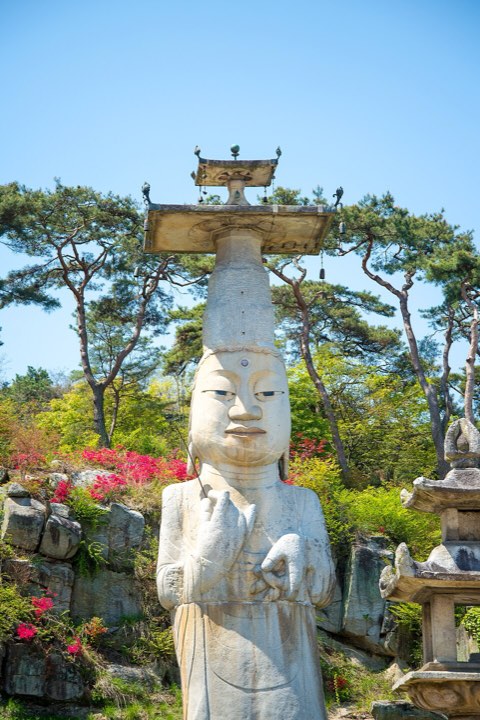
Photo — Standing Stone Maitreya of Gwanchoksa: Kwkhh, CC BY-SA 4.0
- Gwangjong's three measures to strengthen royal power — the Slave Review Act (nobi angeombeop) (956, freeing those illegally enslaved → weakening the local lords' economic and military base while boosting state finances), the gwageo (civil service examination) (958, proposed by Ssanggi — merit-based, backing royal power with new officials), and adopting imperial titles (calling himself emperor, with the era names Gwangdeok and Junpung) plus set official robes. Local lords who resisted were purged without mercy.
- Seongjong's Confucian government — he accepted Choe Seung-no's 28 Points of Current Affairs (Simu 28jo) ("Buddhism is the root of self-cultivation, Confucianism the root of governing the state"): the first dispatch of local officials to the 12 mok provinces, organization of the hyangni (local clerk) system, reorganization of the Gukjagam (national academy), the uichang (expanded from the heukchang) and sangpyeongchang (price-stabilizing granary), and the scaling back of the Yeondeunghoe and Palgwanhoe festivals.
- Central organization — the Two Departments and Six Ministries (adopted from Tang): the Jungseomunha-seong (with jaesin ministers and nangsa officials, headed by the munha-sijung) and the Sangseo-seong (which acted through the Six Ministries). The Jungchuwon (adopted from Song — handling military secrets and royal commands), the Eosadae (censorate), and the Samsa (in charge of accounting — completely different from Joseon's Three Offices!). Distinctive Goryeo bodies: the Dobyeongmasa (defense) and Singmokdogam (legislation) — councils of jaesin and chumil ministers (a symbol of aristocratic politics). The daegan (the Eosadae plus the nangsa): checked royal power through remonstrance, veto (bongbak), and the right of review (seogyeong-gwon).
- Local government and recruitment — the 5 provinces (do, under an anchalsa inspector), the two border regions (yanggye, under a byeongmasa commander), and 3 capitals. There were more subordinate counties (sokhyeon) than main ones → so the actual work was done by hyangni clerks (a decisive difference from Joseon). Special districts were the hyang, bugok, and so. The gwageo included civil, miscellaneous, and clerical-monk exams — but no military exam — plus eumseo (appointing the descendants of 5th-grade-and-above officials without examination — a channel for hereditary aristocratic status).
Exam points
- Goryeo's Samsa = accounting / Joseon's Three Offices = the organs of public criticism — the ultimate trick question.
- The Dobyeongmasa and Singmokdogam = distinctively Goryeo bodies (councils of jaesin and chumil ministers). The daegan's right of review is also frequently tested.
- Contrast: many subordinate counties with hyangni doing the work (Goryeo) ↔ magistrates dispatched to every district (Joseon).
- Eumseo = a privilege of the aristocratic families / no military exam — features of Goryeo's examination system.
3 The Rise and Shaking of Aristocratic Society — the Revolt of Yi Ja-gyeom and Myocheong
After Seongjong, aristocratic families (munbeol) (such as the Gyeongwon Yi and Haeju Choe clans), who inherited office through the gwageo and eumseo, married into the royal house and monopolized power. In the 12th century their contradictions erupted in two events.
- Privileges of the aristocratic families — eumseo (hereditary office) + gongeumjeon (heritable land for officials of the 5th grade or above) + repeated intermarriage with the royal house. The prime example: the Gyeongwon (Inju) Yi clan — Yi Ja-gyeom was father-in-law to two kings, Yejong and Injong.
- The Revolt of Yi Ja-gyeom (1126) — amid a prophecy that "a man surnamed Yi (李, whose character splits into the graphs 十·八·子, 'ten-eight-child') will become king," he tried to usurp the throne → but failed through the betrayal of Cheok Jun-gyeong. It was a sign that aristocratic society had begun to collapse from within.
- Myocheong's movement to move the capital to Seogyeong (1135) — the Seogyeong faction (Myocheong and Jeong Ji-sang: geomancy, proclaiming an empire and conquering the Jin state, independence) vs the Gaegyeong faction (Kim Bu-sik: Confucian deference to China, keeping the status quo). When Injong gave up the move, Myocheong raised troops in Seogyeong (state name 'Daewi,' era name 'Cheongae') → but was suppressed within a year by Kim Bu-sik's government army. In his Joseonsa yeon-gu cho (Studies in Korean History), Sin Chae-ho called it "the greatest event in a thousand years of Korean history" (a watershed between independence and subservience).
- Soon after, Kim Bu-sik compiled the Samguk sagi (1145) — the oldest surviving history, in annals-biography (gijeon) style, marked by Confucian rationalism (a consciousness of succeeding Silla).
Exam points
- A chart of the opposing camps: the Seogyeong faction (Myocheong, geomancy, proclaiming an empire, conquering Jin) vs the Gaegyeong faction (Kim Bu-sik, deference to China).
- Sin Chae-ho's assessment ("the greatest event in a thousand years") often appears as a quoted source.
- The Revolt of Yi Ja-gyeom (1126) and Myocheong (1135) = the shaking of aristocratic society → a prelude to the military officers' coup (1170).
4 Struggles with the Khitan and Jurchen — from Seo Hui to Yun Gwan
In a pluralistic international order where Song, the Khitan (Liao), and the Jurchen (Jin) contended, Goryeo combined pragmatic diplomacy with armed resistance. The key is the "cause–response–result" set for each of the three Khitan invasions.
| Invasion | Date | Response | Result |
|---|---|---|---|
| Khitan, 1st | 993 (Seongjong) | Seo Hui's diplomatic negotiation (with Xiao Sunning) | In exchange for promising to cut ties with Song, gained the Six Garrison Settlements East of the River (Gangdong 6-ju) — expanding to the Yalu River |
| Khitan, 2nd | 1010 (Hyeonjong) | Yang Gyu's resistance; Hyeonjong took refuge in Naju | Gaegyeong fell but the Khitan were repelled · carving of the First Tripitaka (Chojo daejanggyeong) began |
| Khitan, 3rd | 1018 | Gang Gam-chan's great victory at Gwiju (1019) | Crushed the Khitan → built the Gaegyeong outer wall and the Cheolli Jangseong (Thousand-Li Wall, from the Yalu River to Doryeonpo); a balance of power among Goryeo, Song, and the Khitan |
| Jurchen | 1107 (Yejong) | Yun Gwan's Byeolmuban (special army: sin-gigun cavalry, sinbogun infantry, and hangmagun monk-soldiers) | Built the Nine Fortresses of the Northeast → returned them because they were hard to defend. After the Jurchen founded Jin (1115) and demanded deference, Yi Ja-gyeom accepted (1126) |
- The logic of Seo Hui's negotiation — ① "Goryeo is the heir of Goguryeo (the state name is proof) — indeed the Khitan's Eastern Capital is our land" ② "It is only that the Jurchen block the road, so we cannot deal with the Khitan" → he gained the Six Garrison Settlements without fighting. A classic of diplomatic history, expanding territory through negotiation.
- The Byeolmuban — organized on Yun Gwan's proposal after defeat by Jurchen cavalry: the sin-gigun (cavalry), sinbogun (infantry), and hangmagun (monk-soldiers). As a purpose-built force, it is distinguished from the Sambyeolcho (the Choe clan's private troops).
- Accepting deference to Jin (1126) — Yi Ja-gyeom, Kim Bu-sik, and others, wanting to keep power, accepted it → the northward-expansion policy was effectively frustrated → the background to Myocheong's argument for conquering Jin.
Exam points
- Khitan invasions 1–3: Seo Hui (993, Six Garrison Settlements) → Yang Gyu → Gang Gam-chan (1019, Gwiju). Do not confuse with the Battle of Salsu (Goguryeo).
- The Cheolli Jangseong: Goryeo's (Yalu River to Doryeonpo, against the Khitan and Jurchen) ↔ Goguryeo's Cheolli Jangseong (against Tang) — distinguish them.
- Byeolmuban = Yun Gwan = Jurchen = the Nine Fortresses of the Northeast. Accepting deference to Jin → connects to the background of Myocheong.
5 The Military Regime — the Coup and Uprisings of the Lower Classes
Favoritism toward civil officials and discrimination against military ones (failure to grant soldiers' land; the anecdote of Kim Bu-sik's son burning Jeong Jung-bu's beard with a candle) built up until the military officers' coup of 1170 broke out. The following century of military rule was an age of power struggles and popular uprisings.
- The coup and early turmoil — at Bohyeonwon, Jeong Jung-bu and Yi Ui-bang rose in revolt ("leave no seed of anyone who wears a civil official's cap") and deposed King Uijong. Power centered on the Jungbang (the council of military officers) → strongmen rose and fell, such as Gyeong Dae-seung (who set up the Dobang guard) and Yi Ui-min (of lowborn origin!).
- The Choe regime (1196–1258, four generations, 60 years) — Choe Chung-heon: the Gyojeong dogam (the supreme power organ), the Ten Points of Service (a reform proposal — never carried out), and expansion of the Dobang. Choe U: the Jeongbang (which seized control of personnel appointments), the Seobang (which recruited civil literati), and the Sambyeolcho (the Left and Right Elite Patrols plus the Sinuigun — private troops that also served as a public army).
- Uprisings of the lower classes — a shaken status order ("even the lowborn Yi Ui-min came to power") plus heavier exploitation: the revolt of Mang-i and Mang-soi (1176, at Myeonghak-so in Gongju — discrimination against a special administrative district), the revolt of Kim Sa-mi and Hyosim (1193, Gyeongsang province), the revolt of Manjeok (1198, Choe Chung-heon's private slave — "are the seeds of kings, nobles, and generals a separate breed?", aiming at emancipation from status), and the revolt of the public slaves of Jeonju. Uprisings claiming to revive the Three Kingdoms also broke out (a Silla revival in Gyeongju, a Goguryeo revival in Seogyeong, and a Baekje revival in Damyang).
Exam points
- Evolution of the power organs: Jungbang → Gyojeong dogam (Choe Chung-heon) → plus the Jeongbang and Seobang (Choe U). Match organ to figure.
- Mang-i and Mang-soi = Myeonghak-so (so-district discrimination) / Manjeok = emancipation from status — distinguish the character of each uprising.
- The Sambyeolcho = Choe U's private force → connects to the resistance against the Mongols (next section).
6 The War with the Mongols and the Period of Yuan Interference
Facing the invasions (from 1231) of the Mongols, the world's mightiest power in the 13th century, Goryeo moved its capital to Ganghwa Island and resisted for about 30 years, then went through nearly a century of the period of Yuan interference. Organize the "evidence of resistance" and the "forms of interference" separately.
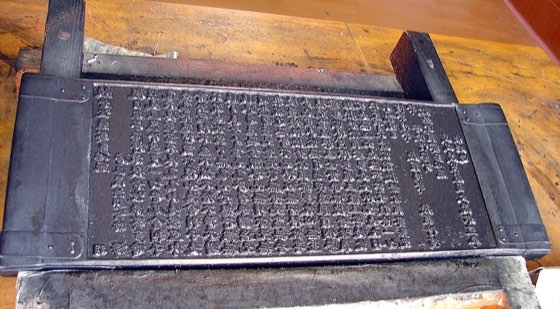
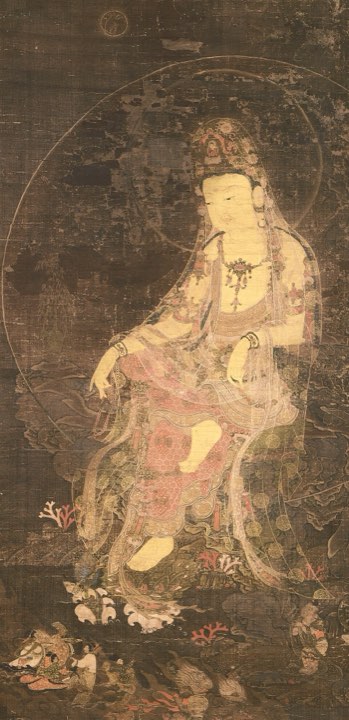
Photo — Tripitaka Koreana: Steve46814, CC BY-SA 3.0
- Resistance against the Mongols — 1st invasion: Bak Seo's defense of Gwiju fortress (1231) → Choe U's move of the capital to Ganghwa (1232) → the Battle of Cheoin-seong (1232, where the monk Kim Yun-hu, together with people of a bugok district, killed the commander Sartaq) → the Battle of Chungju fortress (1253, Kim Yun-hu — burning the slave registers with the promise to "reward merit regardless of status," a defense by public slaves and commoners). The key point is that the common people were the main actors in the resistance.
- The ordeal of cultural heritage and the Tripitaka — the First Tripitaka (at Buinsa, Daegu) and the nine-story wooden pagoda of Hwangnyongsa were burned → seeking to repel the enemy through the Buddha's power, the Tripitaka Koreana (the Second Tripitaka) was carved over 16 years — more than 80,000 woodblocks with almost no errors. It is kept in the Janggyeong Panjeon depositories of Haeinsa in Hapcheon (both the woodblocks and the depositories are UNESCO-listed).
- Return of the capital to Gaegyeong (1270) and the Sambyeolcho — after the Choe regime collapsed, peace was concluded and the capital returned → the Sambyeolcho kept resisting: Ganghwa Island (Bae Jung-son, enthroning Prince Seunghwa On) → Yongjang-seong on Jindo → Hangpaduri on Jeju (Kim Tong-jeong) → suppression (1273). It is regarded as a symbol of the spirit of independence.
- Forms of Yuan interference — loss of territory: the Ssangseong Commandery (north of Cheollyeong), the Dongnyeong Commandery (Seogyeong), and the Tamna Commandery (Jeju). The Jeongdong haengseong (originally an office for the campaign against Japan → surviving as an organ of internal interference even after the campaigns failed) and the darughachi (overseers). Demotion of the royal house: from pyeha ("Your Majesty") to jeonha ("Your Highness"), and instead of the temple names 'jo' and 'jong,' the prefix 'Chung-' (as in Chungnyeol-wang), plus marriage to Yuan princesses (making Goryeo a son-in-law state). Exploitation: tribute women (gongnyeo) (through the Gyeolhon dogam) and the eungbang (falconry). Customs: Mongol styles (the byeonbal queue, hobok robes, soju, and the jokduri headpiece) ↔ Goryeo styles (Goryeo customs that spread in Yuan).
- The gwonmun sejok (entrenched aristocracy) — pro-Yuan forces (such as interpreters and men of eungbang background) became a new ruling class: inheriting position through eumseo, dominating the Dopyeong-uisasa, and holding great estates (bounded by mountains and streams) while enslaving free commoners — the background to Gongmin's reforms and the rise of the new Confucian literati (sinjin sadaebu).
Exam points
- Cheoin-seong (where Sartaq was killed) and Chungju fortress = Kim Yun-hu + resistance by the lower classes. The Sambyeolcho's route: Ganghwa → Jindo → Jeju.
- The First Tripitaka (carved during the Khitan invasions, lost during the Mongol invasions) vs the Tripitaka Koreana (carved during the Mongol invasions) — a recurring trap.
- Keywords for Yuan interference: the Jeongdong haengseong, the Ssangseong Commandery, 'Chung-' kings, tribute women, and Mongol styles. The gwonmun sejok = pro-Yuan + great estates.
7 Gongmin's Reforms and the Fall of Goryeo
Seizing the opening of the mid-14th-century transition from Yuan to Ming, King Gongmin launched anti-Yuan reforms for independence. The reforms failed, but the new Confucian literati and rising military men who grew during this process became the leading actors of the new dynasty.
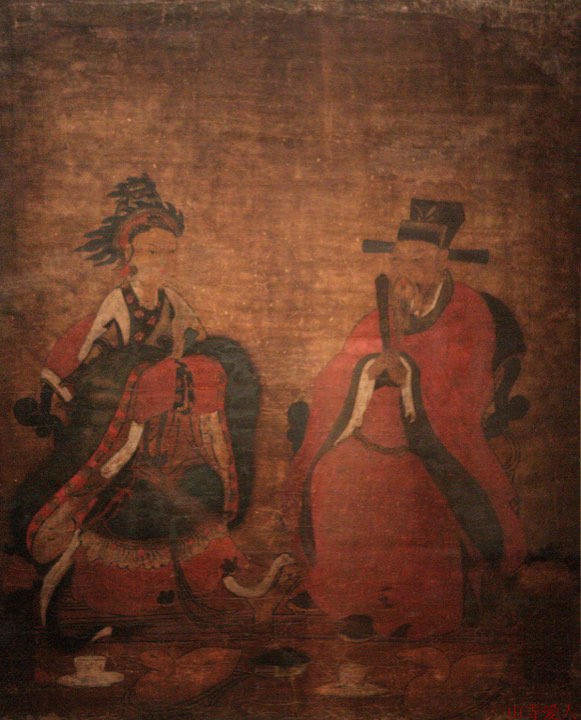
- Anti-Yuan policies for independence — purging the pro-Yuan faction such as Gi Cheol (kin of Empress Gi), abolishing the Imunso judicial office of the Jeongdong haengseong, the military recovery of the Ssangseong Commandery (1356, Yu In-u — the local powerholders Yi Ja-chun and his son Yi Seong-gye cooperated from within), restoring the old official system (Two Departments and Six Ministries), and banning Mongol styles.
- Domestic reforms — appointing Sin Don and the Jeonmin byeonjeong dogam (1366): returning land seized by the entrenched aristocracy and freeing those forcibly enslaved → fierce resistance from the aristocracy → frustrated by the removal of Sin Don and the assassination of Gongmin (1374). The Seonggyungwan was reorganized into a purely Confucian institution (Yi Saek) — a cradle of the new Confucian literati.
- The new Confucian literati vs the entrenched aristocracy — the literati: of local hyangni and small-to-medium landlord origin, adherents of Neo-Confucianism (seongnihak) (introduced by An Hyang → Yi Je-hyeon's Mangwondang → Yi Saek, Jeong Mong-ju, Jeong Do-jeon), advancing through the gwageo, and pro-Ming. The aristocracy: pro-Yuan, eumseo, and great estates. Their confrontation was the driving force of the dynastic change.
- The rise of new military men — in repelling the Red Turbans (who took Gaegyeong, forcing Gongmin to flee to Andong) and the Japanese pirates (wako): Choe Yeong (great victory at Hongsan), Yi Seong-gye (great victory at Hwangsan, 1380), Choe Mu-seon's Hwatong dogam (1377) and the great victory at Jinpo (1380, sinking 500 pirate ships with cannon), and Bak Wi (the Tsushima expedition).
- The fall — Ming's demand for the Cheollyeong Command → Choe Yeong's call to conquer Liaodong → Yi Seong-gye's Four Arguments Against and his turning back the army at Wihwado (1388, removing Choe Yeong and deposing King U) → the Rank Land Law (gwajeonbeop) (1391, the economic base of the new literati) → the removal of the moderates (Jeong Mong-ju — at Seonjukgyo bridge) → the founding of Joseon (1392).
Exam points
- Gongmin = the Yuan–Ming transition + recovery of the Ssangseong Commandery + the Jeonmin byeonjeong dogam (Sin Don). A three-part set.
- Order of the fall: turning back at Wihwado (1388) → the Rank Land Law (1391) → founding (1392) — the Rank Land Law came before the founding!
- A comparison of the new literati (Neo-Confucianism, gwageo, pro-Ming) vs the entrenched aristocracy (pro-Yuan, eumseo, great estates).
- Choe Mu-seon = the Hwatong dogam + the great victory at Jinpo (the first naval battle using cannon).
8 Goryeo's Economy, Society, and Culture
Goryeo was an open and pluralistic society. Arab merchants came and went at Byeongnando, so the name 'KOREA' became known to the world, and women's status was higher than in late Joseon.
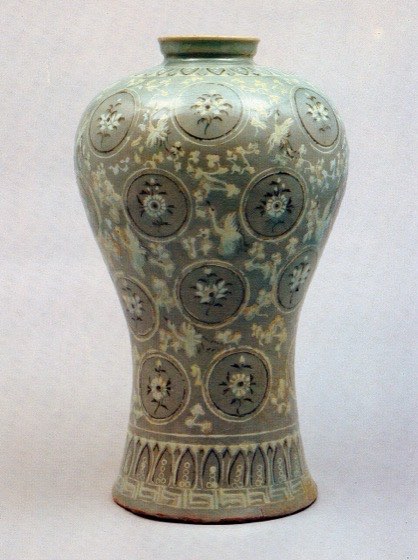
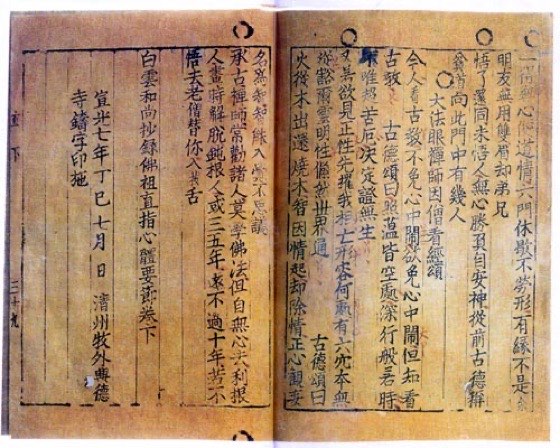
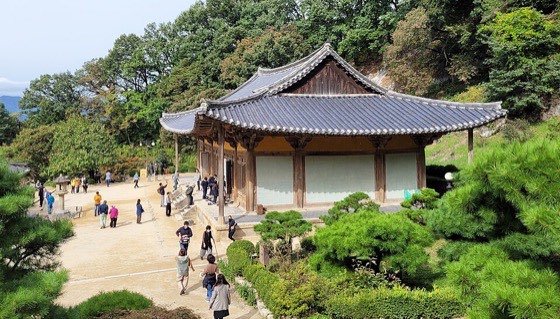
- Economy — the jeonsigwa (land stipend system) (granting the right to collect land taxes in return for official service: the sijeong → gaejeong → gyeongjeong versions), the international trading port of Byeongnando (at the mouth of the Yeseong River — Song and Arab merchants), and coinage: the geonwon jungbo (Seongjong), haedong tongbo, and hwalgu (silver-vase money, Sukjong) — minted but little circulated.
- Society — women's status: equal inheritance, ancestral rites and household registers that made no distinction between sons and daughters, women allowed to head a household, sons-in-law living with the wife's family, and freedom to remarry (with no discrimination against the children) — often contrasted with late Joseon in exams. The hyangdo (a Buddhist devotional community → later a farmers' community).
- Movements to unify Buddhism — Uicheon (unification centered on the doctrinal schools: the Cheontae order, the joint practice of doctrine and meditation (gyogwan gyeomsu), and publishing the Sokjanggyeong) vs Jinul (unification centered on the Seon school: the Jogye order, the Suseonsa retreat society, and the twin cultivation of meditation and wisdom / sudden enlightenment with gradual practice). Plus Hyesim (the theory that Confucianism and Buddhism are one — a foundation for accepting Neo-Confucianism) and Yose (the Baengnyeon retreat society). The Yeondeunghoe and Palgwanhoe festivals.
- The printing revolution — the Sangjeong gogeum yemun (1234, the earliest metal-type printing on record) / the Jikji simche yojeol (1377, Heungdeoksa in Cheongju) — the oldest surviving book printed with movable metal type in the world, some 70 years before Gutenberg, a UNESCO Memory of the World document (held at the National Library of France).
- Art — Goryeo celadon: plain celadon → inlaid celadon (sanggam cheongja) (from the mid-12th century, an original technique of carving the surface and filling it with a different clay). Lacquerware inlaid with mother-of-pearl and silver-inlaid metalwork. Buddhist paintings (Water-Moon Avalokiteshvara) and jusimpo-bracket architecture (Muryangsujeon Hall of Buseoksa — with entasis columns, one of the oldest surviving wooden buildings).
- Histories and Neo-Confucianism — the Samguk sagi (Kim Bu-sik, 1145, annals-biography style and Confucian) vs the Samguk yusa (Iryeon, in the reign of Chungnyeol, recording the Dangun myth and independent-minded) + the Dongmyeongwang-pyeon (Yi Gyu-bo, succeeding Goguryeo) and the Jewang ungi (Yi Seung-hyu, beginning with Dangun) — an independent-minded historiography of the period of Yuan interference. An Hyang's introduction of Neo-Confucianism, and Mun Ik-jeom's cotton (1363).
Exam points
- Uicheon (Cheontae order, joint practice of doctrine and meditation) vs Jinul (Jogye order, twin cultivation of meditation and wisdom, Suseonsa) — the most frequently tested.
- Samguk sagi (Kim Bu-sik, annals-biography style) vs Samguk yusa (Iryeon, recording Dangun) + the Dongmyeongwang-pyeon and Jewang ungi (independent-minded historiography).
- The three keywords for the Jikji: the oldest surviving movable-metal-type book, Heungdeoksa in Cheongju, and held in France.
- Contrast Goryeo women's status (equal inheritance, freedom to remarry) ↔ late Joseon (eldest-son inheritance, ban on remarriage).