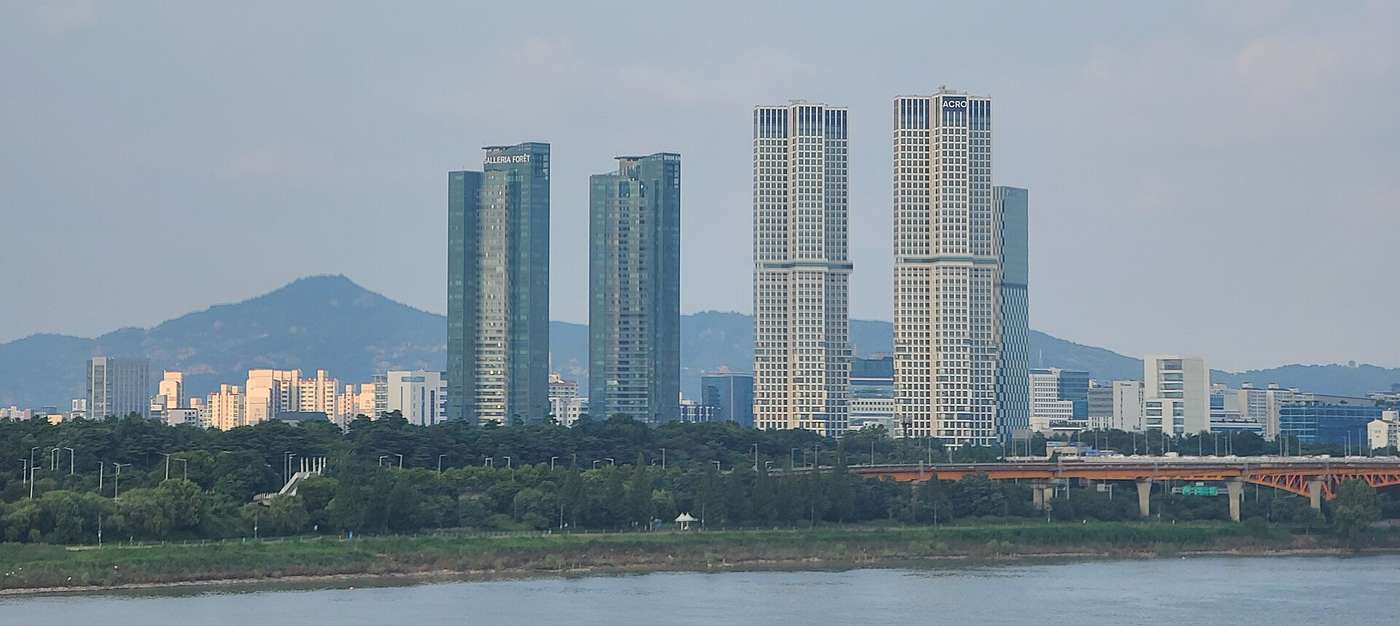
Seongsu-dong and Seoul Forest
聖水洞From a royal hunting ground, Seoul's first water works and a racecourse to the factory lanes now called "Seoul's Brooklyn"
Seongsu-dong was for a long time a neighborhood of shoe workshops, small factories and warehouses. In the 2010s those factories and warehouses turned into cafés, concept stores and pop-up shops, earning it the nickname "Seoul's Brooklyn", and it is now named as a place foreign visitors go instead of Myeong-dong and Namsan. Right next door, Seoul Forest is a large park opened in 2005 on the Ttukseom land that once held a racecourse and a golf course. That land has a longer record still: in Joseon it was a royal hunting ground, and in 1908 the first plant to make tap water for Seoul was built here. Walk from the café lanes into the forest and you see at a glance how Seoul has kept remaking its land.
📖 The Story
The name Ttukseom comes from dokgi, the great banner that announced a royal procession. The wide plain where the Han and the Jungnangcheon meet was a royal hunting ground in Joseon, and when the king came out the banner was planted in the field. What was called Dokdo, "banner island", became Ttukseom.
In 1908, in the last years of the Korean Empire, the Ttukdo water purification plant designed by the Americans Collbran and Bostwick was completed here, and from September that year it sent tap water to the walled city and Yongsan. Seoul's water supply begins here. The same two men had earlier built Seoul's tramway together with the Hanseong Electric Company. The plant is now the Water Works Museum, its red-brick building of more than a century still standing at the edge of Seoul Forest.
Ttukseom became a pleasure ground in the 1940s, a racecourse opened in 1954, and after the racecourse moved to Gwacheon in 1989 a golf course and sports park took its place. Rather than develop the land, the city chose to make it a forest, and Seoul Forest opened in June 2005. Across the road, Seongsu-dong was until the 1990s a district of shoe workshops and factories large and small; from the 2010s, cafés and brand stores moved into the empty warehouses and red-brick buildings the factories left behind, giving it its present look. Fixing up old buildings rather than tearing them down is what created the neighborhood's atmosphere.
✦ Highlights
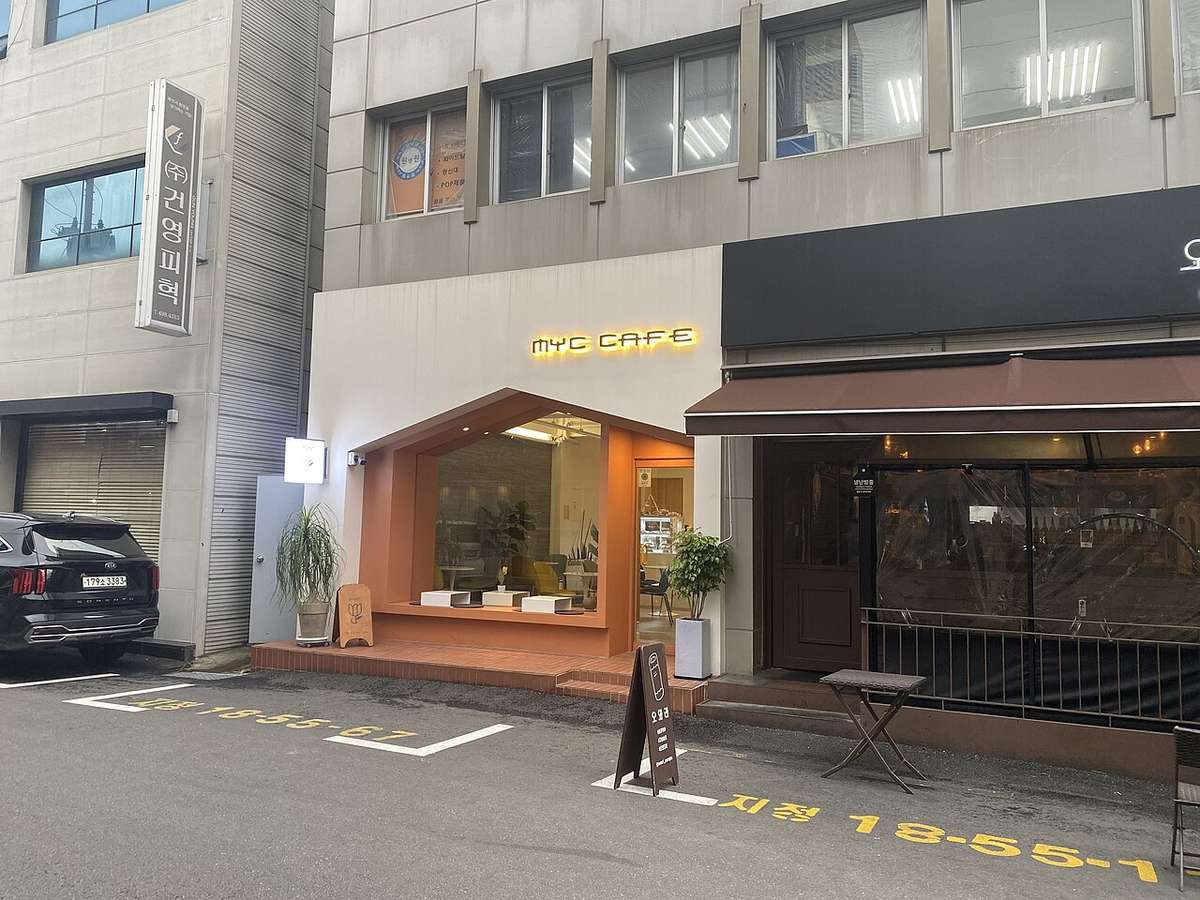
- ›Seongsu's café and pop-up streetsStreets where cafés and concept stores in converted factories and warehouses, and pop-up shops that open and close within weeks, fill every lane. It is known as "Seoul's Brooklyn".
More
Pop-ups change every few weeks, so the same lane looks different every visit. New brands often launch pop-ups here, so you can see fashion and beauty trends up close. Popular ones have long lines and often need advance booking. Look for high ceilings, bare brick and old factory signs left in place, and you see a neighborhood that fixed up its old buildings instead of tearing them down.
- ›Seongsu handmade shoe streetShoe workshops and shops cluster around Seongsu Station. Behind the café streets you can still hear hammers at work, a trace of the days when this was a district of factories.
More
Many shops sell shoes made in their own small workshops, and some will measure your feet and make a pair to order. The fact that working workshops still sit behind the glamour of the café streets sets Seongsu apart from other hotspots. Don't photograph inside working workshops without asking.
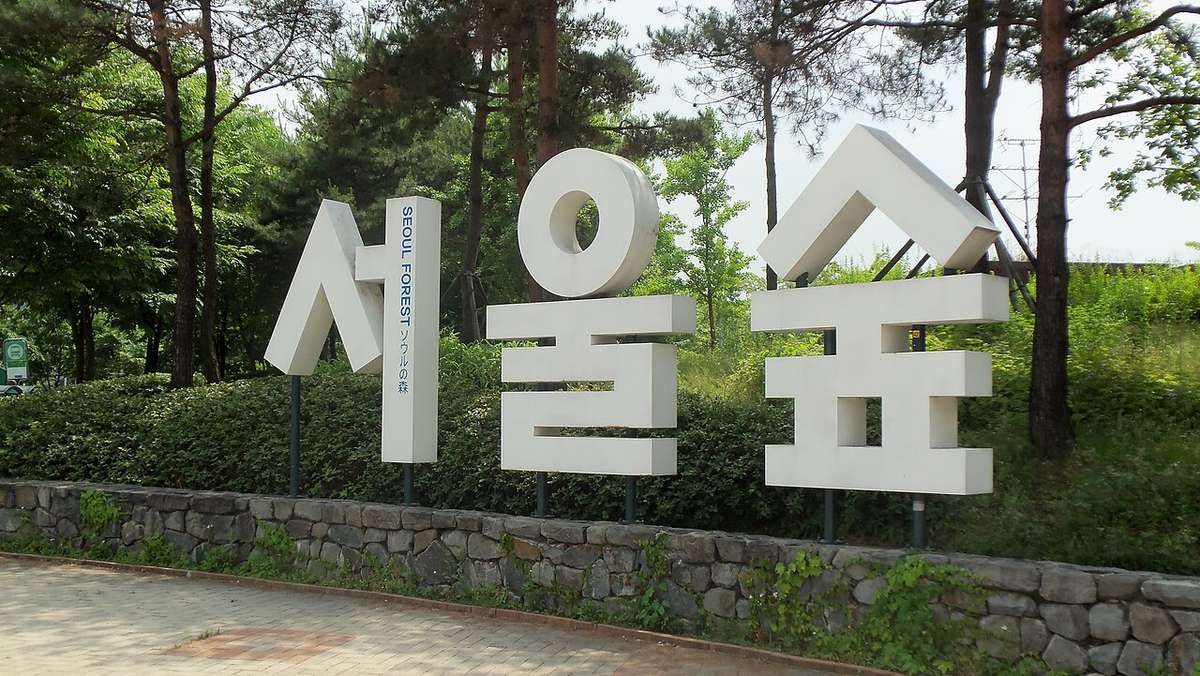
- ›Seoul ForestA large forest park opened in 2005 on Ttukseom, once a Joseon royal hunting ground and later the site of a racecourse and a golf course. It has an ecological forest where deer live and wide lawns.
More
After the racecourse moved to Gwacheon in 1989, the city chose to make the land a forest rather than develop it. Inside the park are gardens made from old water works structures and the Water Works Museum, so a stroll takes you past Seoul's water supply of a century ago. At weekends the lawns fill with families on picnics. Buying a drink at a Seongsu café and carrying it into the forest is a typical day here.
- ›Water Works Museum (former Ttukdo plant)A free museum in the red-brick building of the Ttukdo plant, Seoul's first water purification plant, built in 1908. It stands at the western edge of Seoul Forest.
More
Designed by the Americans Collbran and Bostwick, the plant sent tap water to the walled city and Yongsan from September 1908, and it opened as a museum in 2008, a century after the water began to flow. Inside the red-brick building you can see how water was treated and delivered to homes in the Korean Empire era. The same two men had earlier built Seoul's tramway, so it is worth thinking of it alongside trams and electricity, in the order modern city services arrived. Closed on Mondays.
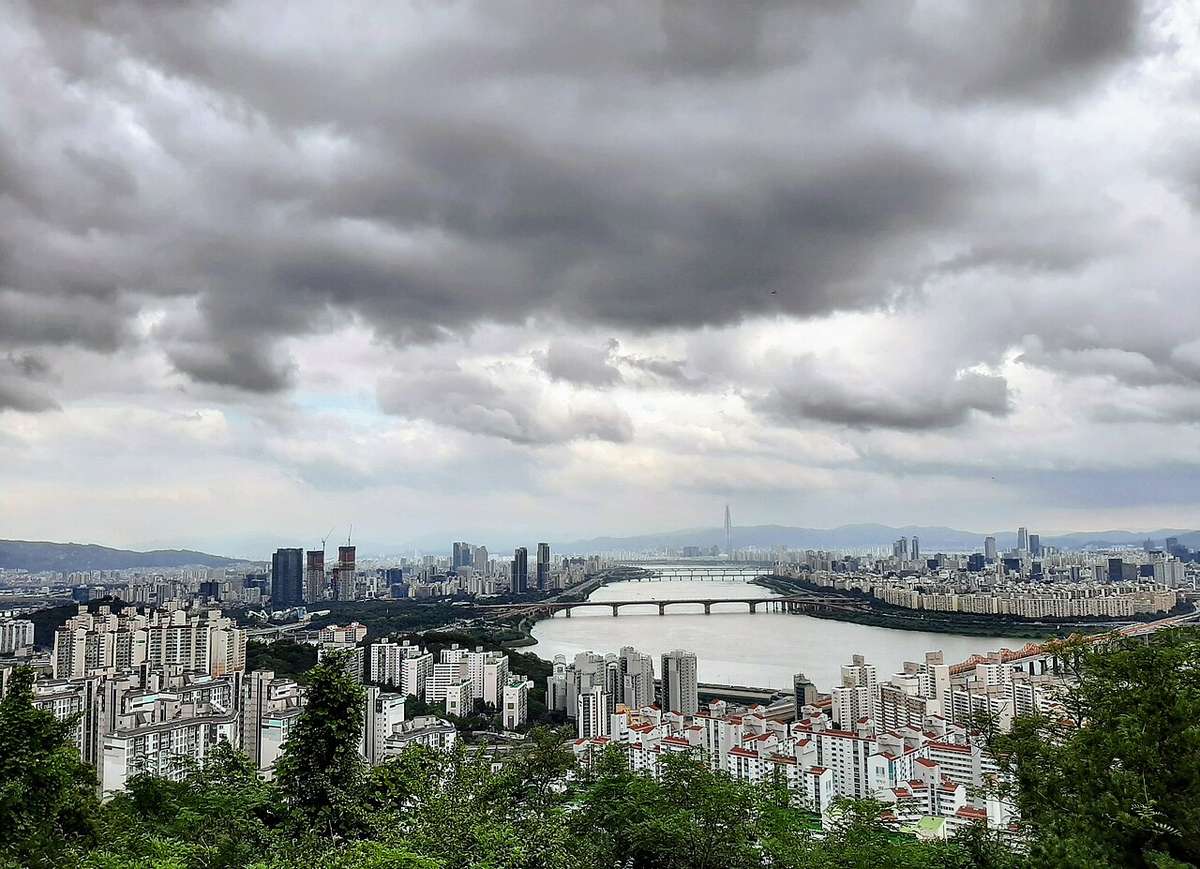
- ›The view from EungbongsanA small rocky hill northwest of Seoul Forest. From the top you look down on the meeting of the Han and the Jungnangcheon, Seongsu and the towers of Gangnam, and it is a favorite night-view spot.
More
In spring the whole hill is covered in yellow forsythia, so from across the river an entire hillside turns yellow. After dark the lights of cars on the riverside expressway and bridges flow along the river below. It is not a long climb, but the steps are steep, so wear comfortable shoes. It is within walking distance of Seoul Forest, so see the forest and café streets by day and climb at dusk.
🚶 Self-Guided Walk
- 1Seongsu Station · the shoe streetStart with the shoe workshops around the station, the traces of the factory district.
- 2Café and pop-up lanesWalk west through converted warehouse cafés and pop-up stores.💡 If there is a pop-up you want to see, check its dates and booking rules on social media first.
- 3Seoul ForestTake a drink into the forest and stroll the lawns and the ecological woods.
- 4Water Works MuseumIn the red-brick building at the park's west end, learn how Seoul got its first tap water in 1908.💡 Closed on Mondays.
- 5EungbongsanClimb Eungbongsan at dusk and end the day over the meeting of the Han and the Jungnangcheon.
🧭 Visitor Info
💡 Good to Know
- Few shops are open in the morning; Seongsu comes alive from lunchtime into the evening.
- Popular cafés and pop-ups have long lines on weekend afternoons; weekdays are much easier.
- Homes and workshops are mixed together here. Don't photograph inside working workshops without asking.
🗺 Pair Your Visit
The Americans Collbran and Bostwick laid the Seodaemun to Cheongnyangni tramway in 1899 with the Hanseong Electric Company in the Korean Empire era, and in 1908 built the Ttukdo plant to supply Seoul's first tap water. They appear together in questions on the order in which modern services such as trams, electric light, telephones and water arrived. Ttukseom, once a royal hunting ground, is an example of how land outside Joseon's city walls was used.