Seochon and Inwangsan
西村 · 仁王山From a valley restored to look just as Jeong Seon painted it, up to night views along the city wall
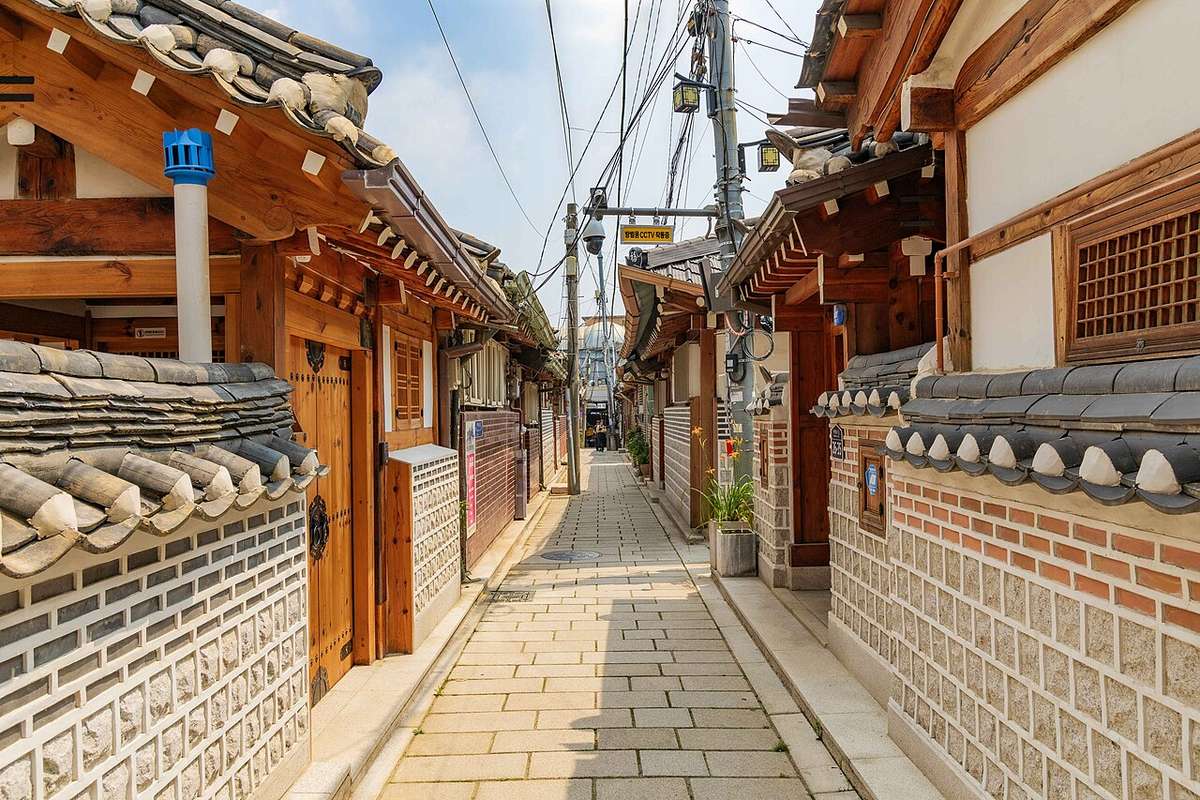
Seochon is the neighborhood west of Gyeongbokgung, leaning against the slopes of Inwangsan. With hanok lanes quieter than Bukchon's, an old market, small bookshops and galleries, it draws travelers looking for "the Seoul locals live in". At its far end lies Suseong-dong valley, brought back to life by following a painting by the late Joseon artist Jeong Seon, and above the valley the Seoul City Wall runs along the ridge of the rocky mountain Inwangsan. The Inwangsan wall trail is free and open at any hour, and with Naksan it is counted among the best places to see downtown Seoul lit up at night.
📖 The Story
In Joseon times Seochon was a neighborhood of royal relatives, the middle class of clerks and specialists, and men of letters who lived near the palace. King Sejong was born here in 1397, in the ward of Junsubang, and a stone near Gyeongbokgung Station marks his birthplace. Sejong's third son, Grand Prince Anpyeong, built a house in Suseong-dong valley below Inwangsan and spent his days with poetry and painting. It was Anpyeong who had the painter An Gyeon paint the peach-blossom village he had seen in a dream: the famous "Dream Journey to the Peach Blossom Land".
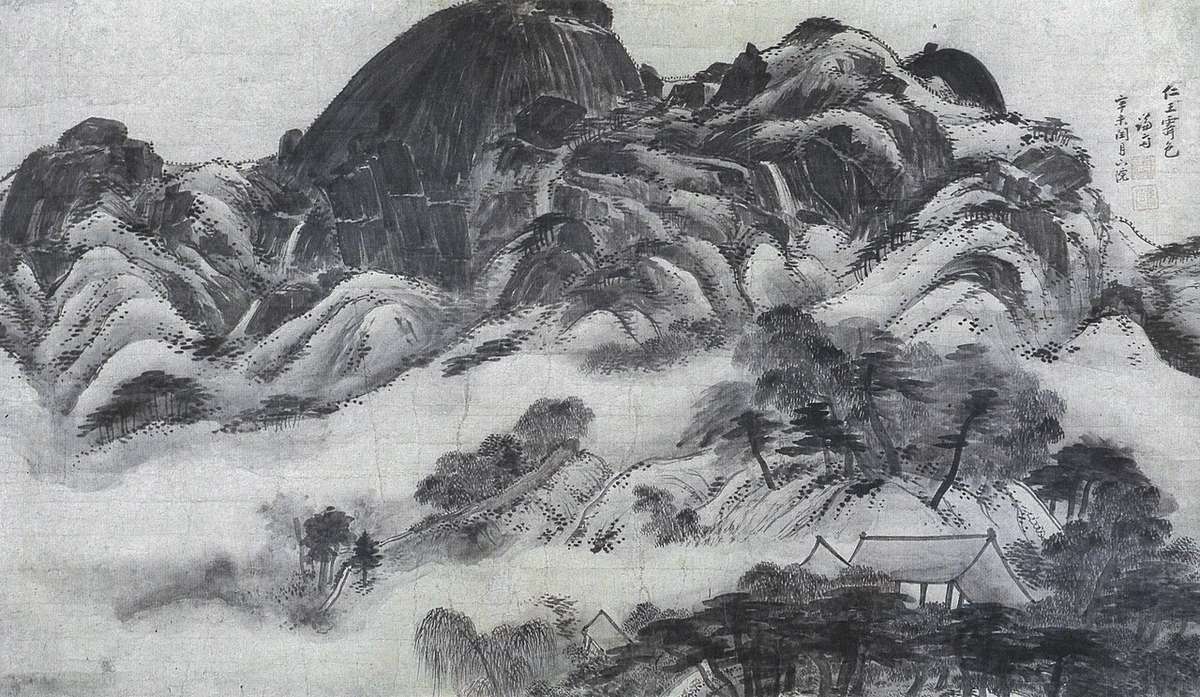
The painter who loved this neighborhood most was Jeong Seon. Living for many years below Inwangsan, he broke with the habit of copying Chinese models and painted the Korean landscape in front of his eyes, a style called "true-view" landscape painting. In 1751, at seventy-five, he painted Inwangsan as the monsoon rain cleared: "Clearing after Rain on Mount Inwang". In 2021 the heirs of a private collector donated the painting to the nation, and it now belongs to the National Museum of Korea.
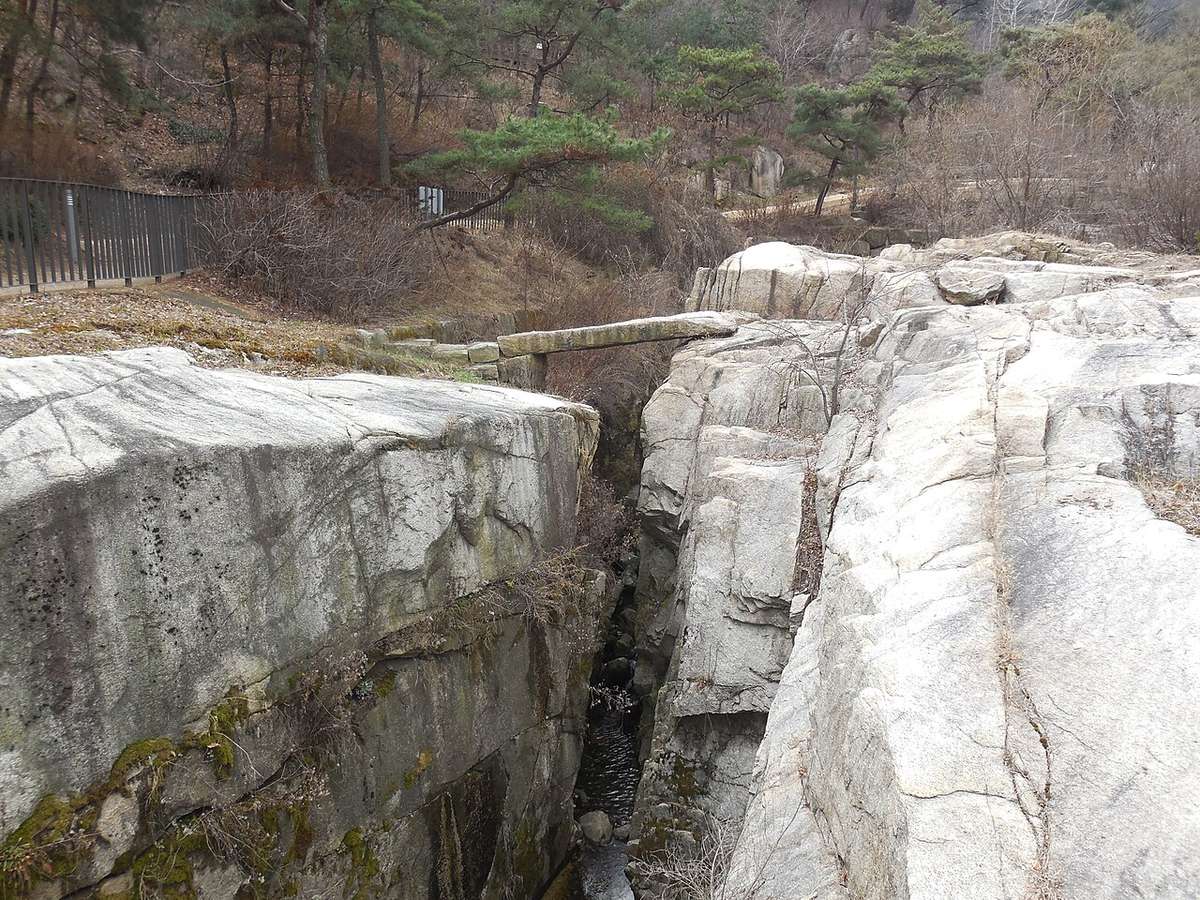
In 1971 a block of public apartments was built over Suseong-dong valley, hiding it from view. The city tore the apartments down and, using the Suseong-dong scene in Jeong Seon's album "Eight Views of Jangdong" as its guide, restored the valley and opened it in July 2012. Giringyo, the single-slab stone bridge in the painting, re-emerged in its original place. Inwangsan itself was closed to the public after the 1968 commando raid and only reopened in 1993. Both the painted landscape and the closed mountain have been given back to the city.
✦ Highlights
- ›Suseong-dong valley and Giringyo bridgeA rocky valley restored in 2012 by following a scene in Jeong Seon's album "Eight Views of Jangdong". Giringyo, a bridge of a single broad slab, re-emerged in exactly the spot shown in the painting.
More
In 1971 a block of public apartments was built over the valley, hiding it for more than forty years until the apartments were torn down and the valley restored from the painting. Giringyo is the longest single-slab bridge still in place within the old city. Grand Prince Anpyeong, Sejong's third son, also built his house in this valley. The board at the entrance shows Jeong Seon's painting, so look for the same angle, and go the day after rain, when water runs between the rocks and the scene comes even closer to the picture.
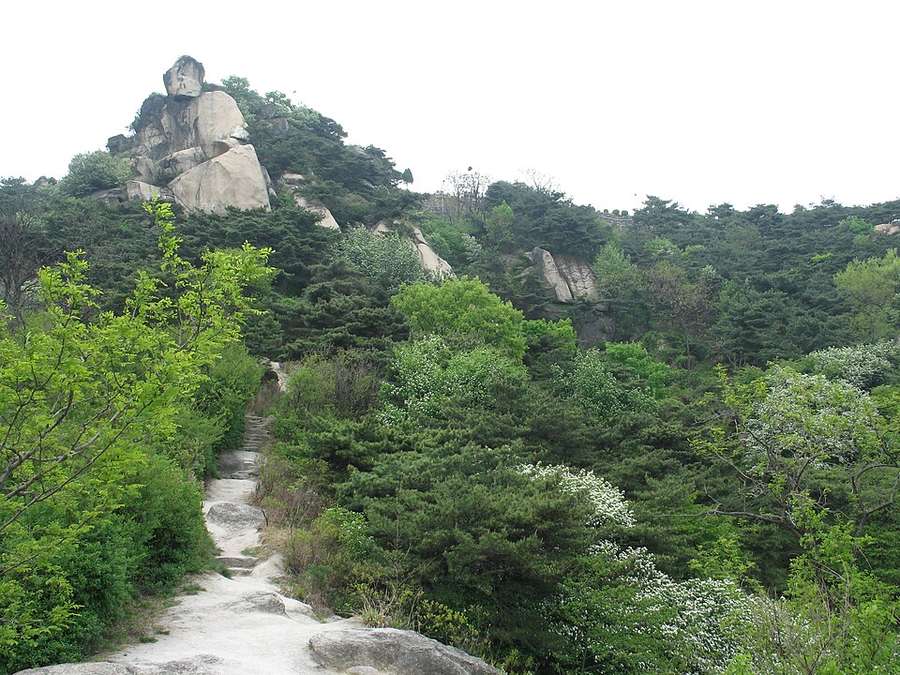
- ›The Inwangsan wall trail and summit night viewInwangsan, a rocky mountain 338 m high. Climb along the Seoul City Wall and Gyeongbokgung, Gwanghwamun and Namsan open up straight ahead; it is free and open at any hour.
More
This is the very mountain Jeong Seon painted in 1751 as the monsoon rain cleared, in "Clearing after Rain on Mount Inwang". It was closed to the public after the 1968 commando raid and only reopened in 1993. Many people climb at sunset to see dusk turn to night, and with Naksan it is counted among the best places to see downtown Seoul lit up. The summit section is a steep run of boulders and steps, so bring a flashlight or use your phone light for the way down.
- ›Seochon lanes and Tongin MarketSeochon's lanes, where small hanok, old bookshops, workshops and a neighborhood market mix. Quieter than Bukchon, they keep the texture of a lived-in district.
More
In Joseon times Seochon was home to royal relatives, middle-class clerks and specialists, and men of letters who lived near the palace. Tongin Market is a traditional market where locals shop, known for snacks such as oil-fried tteokbokki. Behind it, the lanes of Nuha-dong and Chebu-dong are lined with small hanok and cafés, so you can wander hanok lanes less known than Bukchon's at your own pace. It is a residential area, so keep your voice down and don't peer through gates.
- ›King Sejong's birthplaceA small marker stone near Gyeongbokgung Station. King Sejong, who created hangeul, was born in this neighborhood, in the ward of Junsubang, in 1397.
More
Sejong was born in 1397 at a private residence in Junsubang. The house is gone and only the stone remains, but it is why the area is called "Sejong Village". Born the third son of King Taejong, Sejong grew up in Seochon, and later his own third son, Grand Prince Anpyeong, built his house in Suseong-dong in the same neighborhood. The statue of King Sejong in Gwanghwamun Square is just over ten minutes' walk away, so you can join birthplace and statue in one route.
🚶 Self-Guided Walk
- 1Gyeongbokgung Station Exit 2 · Sejong's birthplaceStart at the marker stone near the station.
- 2Tongin MarketFill up on market snacks.
- 3Seochon lanesClimb toward the mountain through the lanes of Nuha-dong and Ogin-dong.
- 4Suseong-dong valley · GiringyoCompare Jeong Seon's painting on the board with the valley in front of you.
- 5Inwangsan wall trail · summitClimb from the forest path above the valley onto the wall trail and up to the summit. Time it for sunset to stay for the night view.💡 Allow about an hour to the top; the rocky section is steep, so wear proper shoes.
- 6Down toward ChanguimunFollow the wall north down to Changuimun to link up with the Yun Dong-ju Literary Museum and the Bugak Skyway route.
🧭 Visitor Info
💡 Good to Know
- More shops open in Seochon after lunch than in the morning; do the valley and mountain in the morning and the lanes in the afternoon.
- If "Clearing after Rain on Mount Inwang" is on show at the National Museum, seeing the painting first and the real mountain afterwards is the most dramatic order. Old paintings are not on permanent display, so check the schedule.
- The summit area is rocky and slippery after rain. Climb at night with company.
🗺 Pair Your Visit
Jeong Seon pioneered true-view landscape painting in late Joseon, painting the Korean landscape from direct observation; his best-known works are "Clearing after Rain on Mount Inwang" and "General View of Mount Geumgang". Grand Prince Anpyeong, who lived in Suseong-dong, had An Gyeon paint the scene from his dream, producing "Dream Journey to the Peach Blossom Land" (1447), the masterpiece of early Joseon landscape painting. Questions also note that Sajikdan, together with Jongmyo, stood for the state itself in the phrase jongmyo sajik.