From Seoul, Gyeongju, Busan and Jeju all the way to the DMZ — twelve cities and regions, with their must-sees and how to get there. Each place holds the history of a different era, so travelling here doubles as a Korean-history lesson.
From a 600-year royal capital to a city that never sleeps
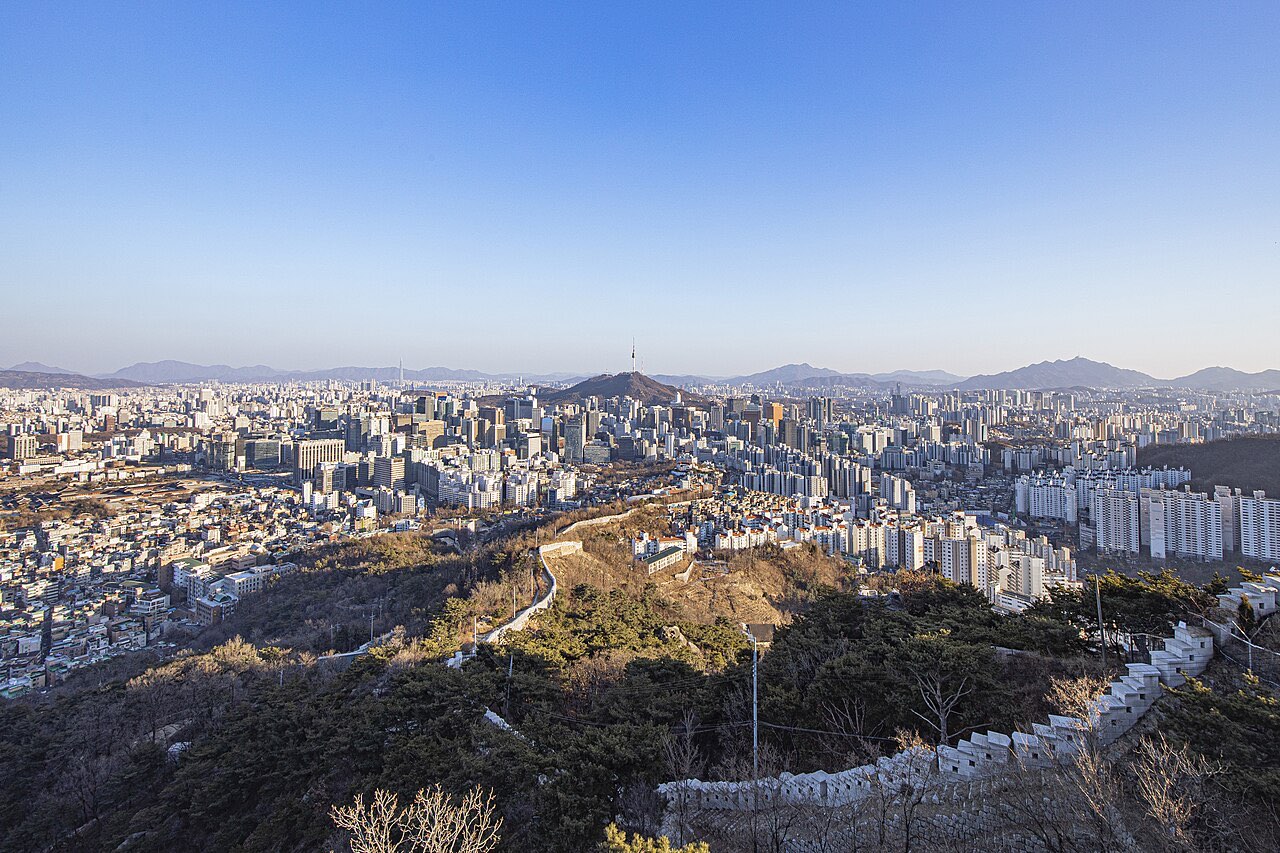
Seoul began as Hanyang, the capital of Joseon, and is today a metropolis of about ten million and the gateway where most travelers start their trip to Korea. Joseon-era heritage such as the five grand palaces and the Jongmyo Shrine stands beside skyscrapers and shopping districts, and the Han River runs through the middle of the city. A dense subway network lets you move between palaces, hanok villages, and night markets in a single day. The charm of Seoul is how the traditional and the ultra-modern meet on the same street.
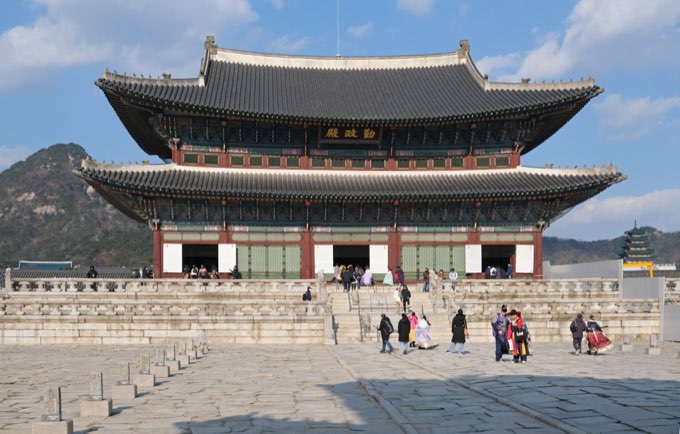
›Gyeongbokgung and the five grand palaces — Five palaces remain in the city center, led by Gyeongbokgung, the main palace of Joseon, where you can watch the changing of the guard and try on hanbok.Details →
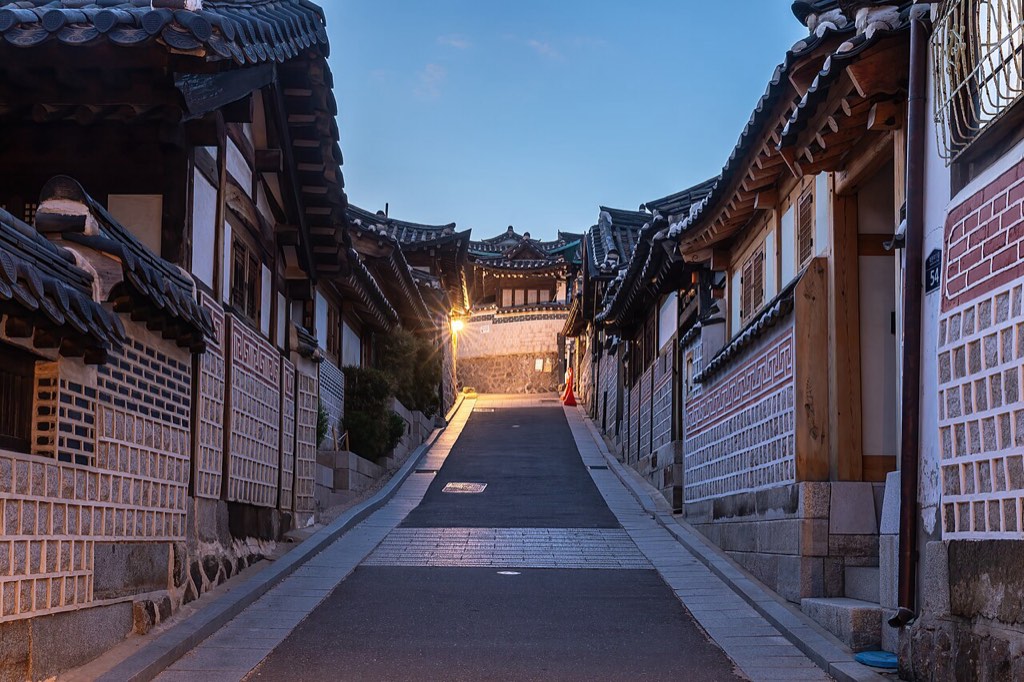
›Bukchon Hanok Village — A neighborhood of traditional tile-roofed houses on the hill between Gyeongbokgung and Changdeokgung, its alleys preserving the feel of old Seoul.Details →
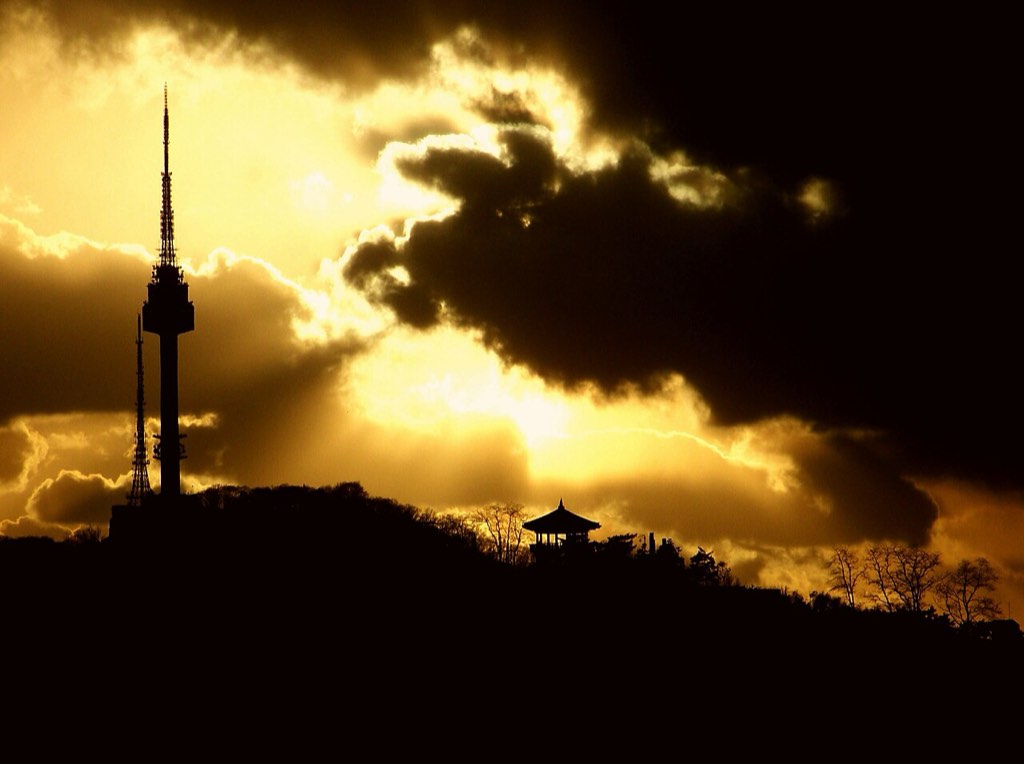
›Namsan Seoul Tower — An observation tower atop Namsan in the heart of the city, offering a sweeping view of Seoul by day and night.Details →
›Myeongdong and Gwangjang Market — The shopping street of Myeongdong and the old food alleys of Gwangjang Market showcase Seoul's shopping culture and street food.Details →
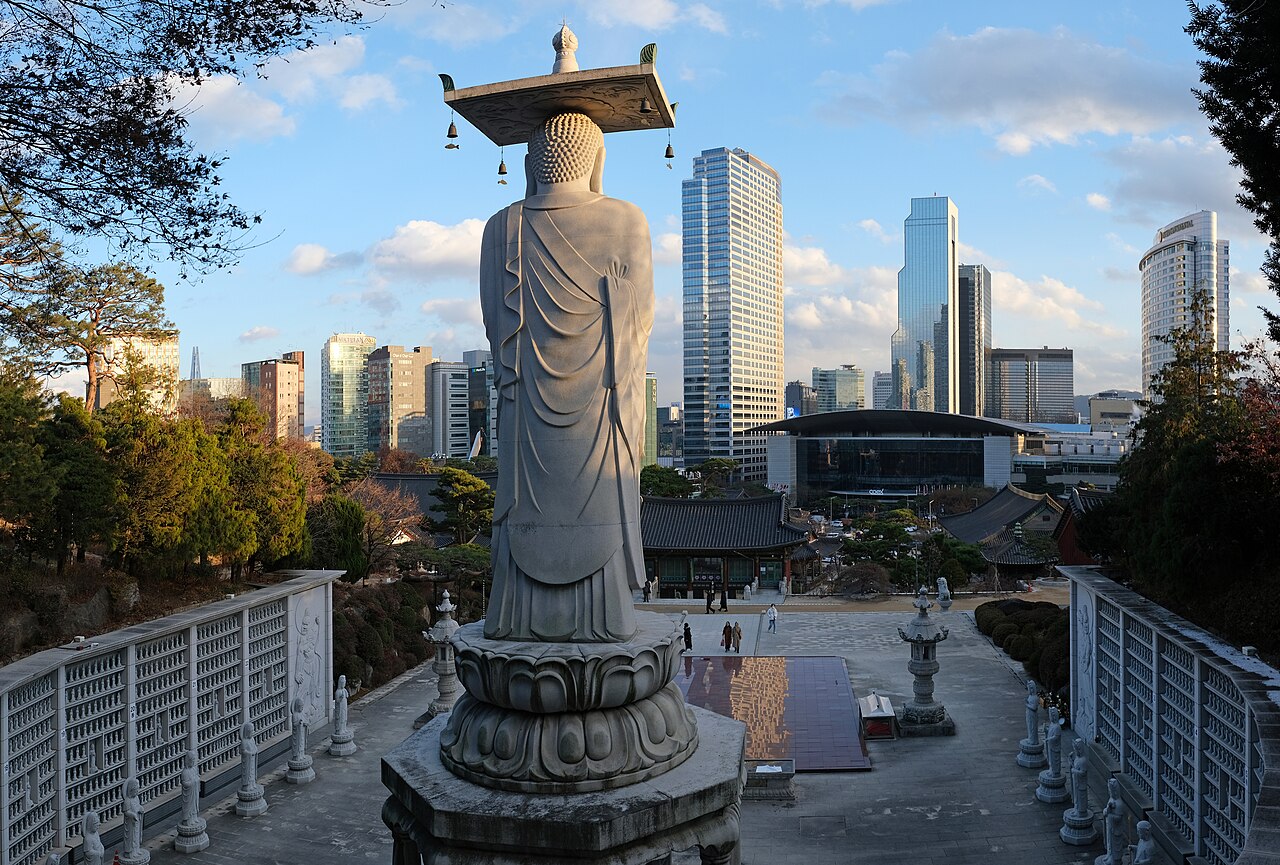
›Bongeunsa Temple — A 1,200-year-old city temple in the heart of Gangnam, facing the COEX towers, where a roughly 23 m Maitreya Buddha looks out over the skyline.Details →
Gyeongbokgung and the five grand palacesBukchon Hanok VillageNamsan Seoul TowerBongeunsa Temple
📷 kallerna, CC BY-SA 4.0 · Basile Morin, CC BY-SA 4.0 · Rtflakfizer, CC BY-SA 4.0
Seoul is Hanyang, where King Taejo moved the capital of Joseon in 1394 — a planned capital laid out with Gyeongbokgung, the Jongmyo royal shrine, the Sajikdan altar, and a city wall. Its surviving five palaces and the Jongmyo Shrine show the governing spaces of the Joseon dynasty.
The museum without walls — capital of Silla for a thousand years
Gyeongju was the capital of Silla and Unified Silla for nearly a thousand years, from 57 BC to AD 935, and the whole city is like a single archaeological site — hence its nickname, 'the museum without walls.' UNESCO World Heritage sites such as Bulguksa and Seokguram are scattered across its hills and fields, and the giant tombs of Silla kings and nobles dot the town. Spring cherry blossoms and autumn foliage set against the ruins make for especially beautiful scenery. It is a must-visit for travelers interested in history.
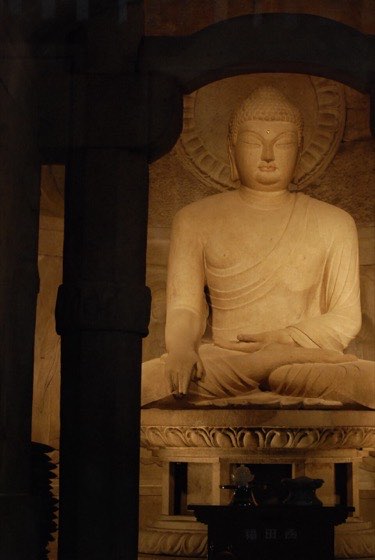
›Bulguksa and Seokguram — A temple and grotto shrine begun by Kim Dae-seong under King Gyeongdeok of Unified Silla; the Dabotap and Seokgatap pagodas and the grotto's main Buddha embody the height of Silla Buddhist art.Details →
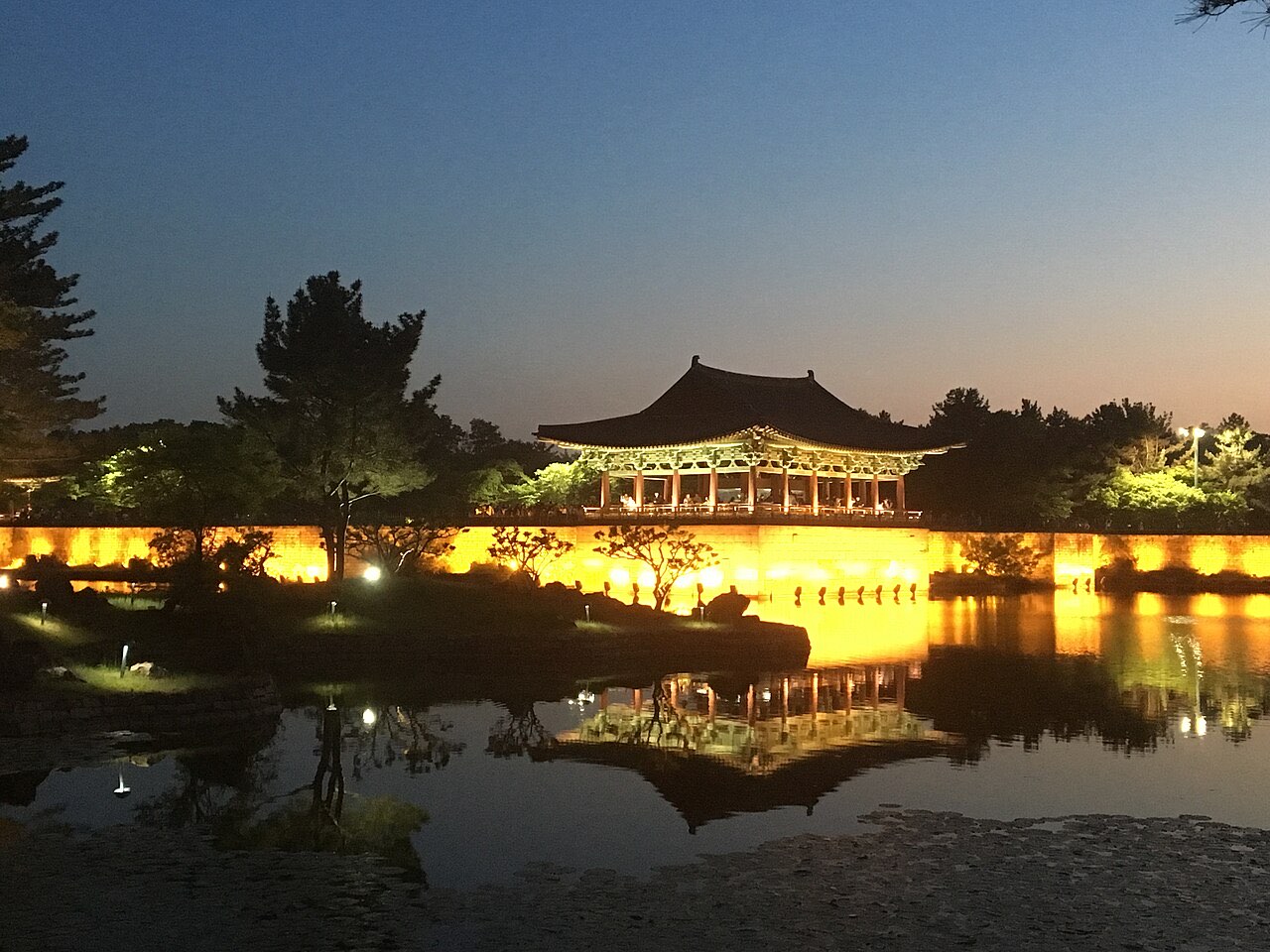
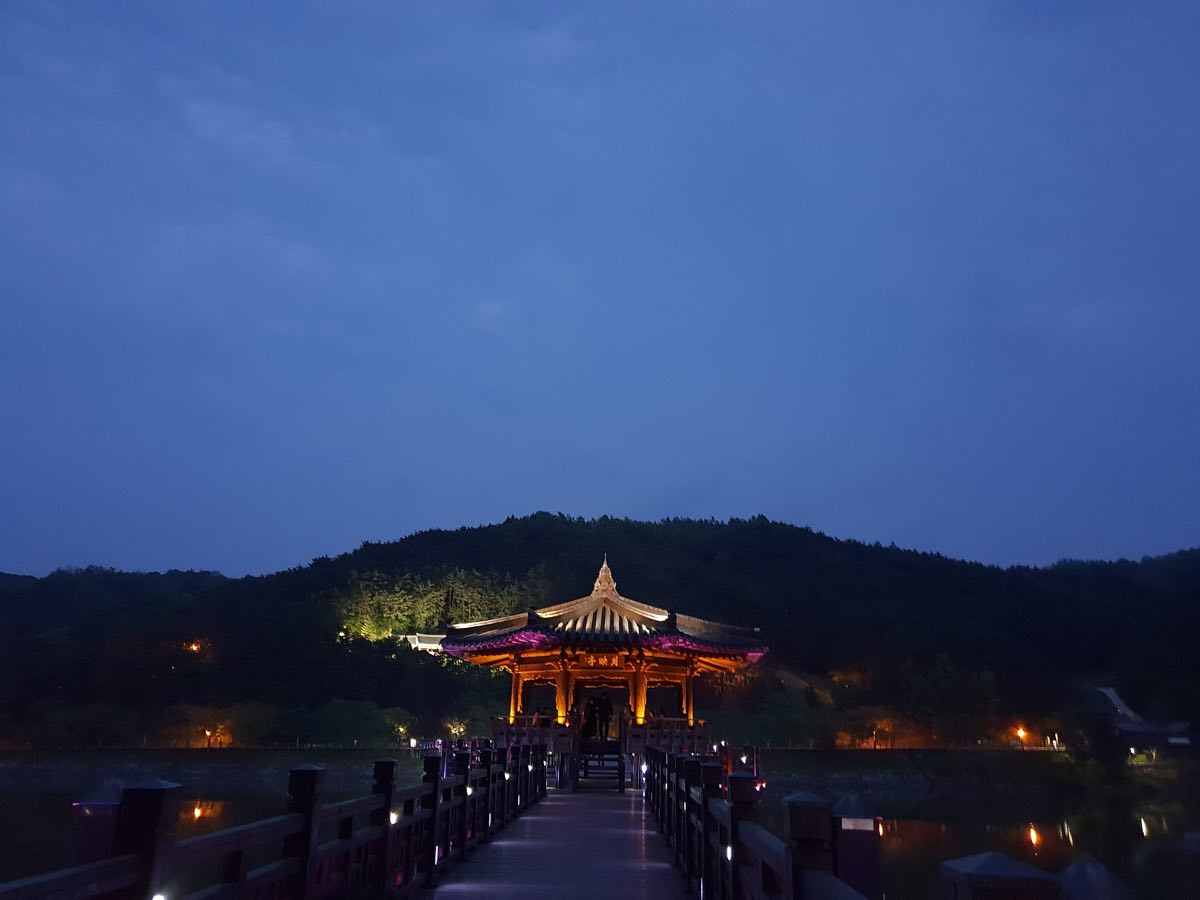
›Donggung Palace and Wolji Pond — A detached royal palace and pond of Silla, widely known by its old name Anapji, famed for its reflection-lit night views.Details →
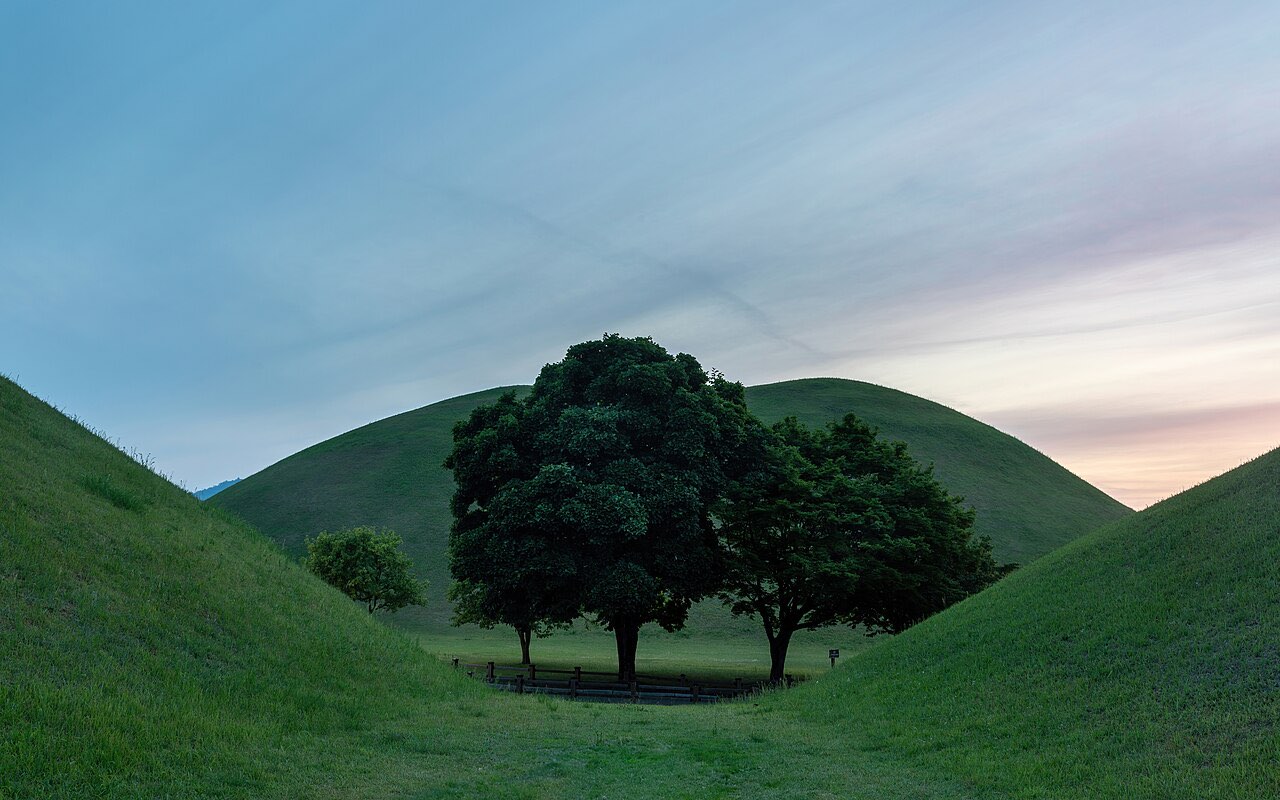
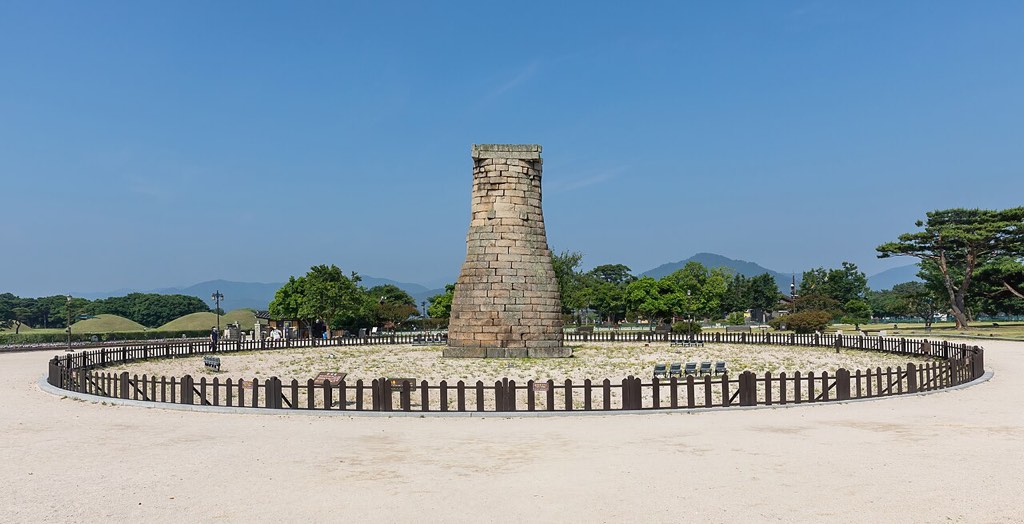
›Daereungwon tombs and Cheomseongdae — A cluster of great royal tombs including Cheonmachong, alongside Cheomseongdae, often called the oldest surviving observatory in East Asia, all within the town.Details →
›Gyeongju National Museum — Here you can see artifacts unearthed around Gyeongju in one place, including Silla gold crowns and the Divine Bell of King Seongdeok (the Emille Bell).Details →
Bulguksa and SeokguramDonggung Palace and Wolji PondDaereungwon tombs and Cheomseongdae
📷 myllissa, CC BY 2.0 · Serena Kang, CC BY-SA 4.0 · Basile Morin, CC BY-SA 4.0
Gyeongju was the capital of Silla for a thousand years; Bulguksa and Seokguram were begun by Kim Dae-seong under King Gyeongdeok of Unified Silla. The essence of Silla culture — Cheomseongdae, gold crowns, and the Divine Bell of King Seongdeok — is gathered here.
A port city of beaches, markets, and hillside alleys
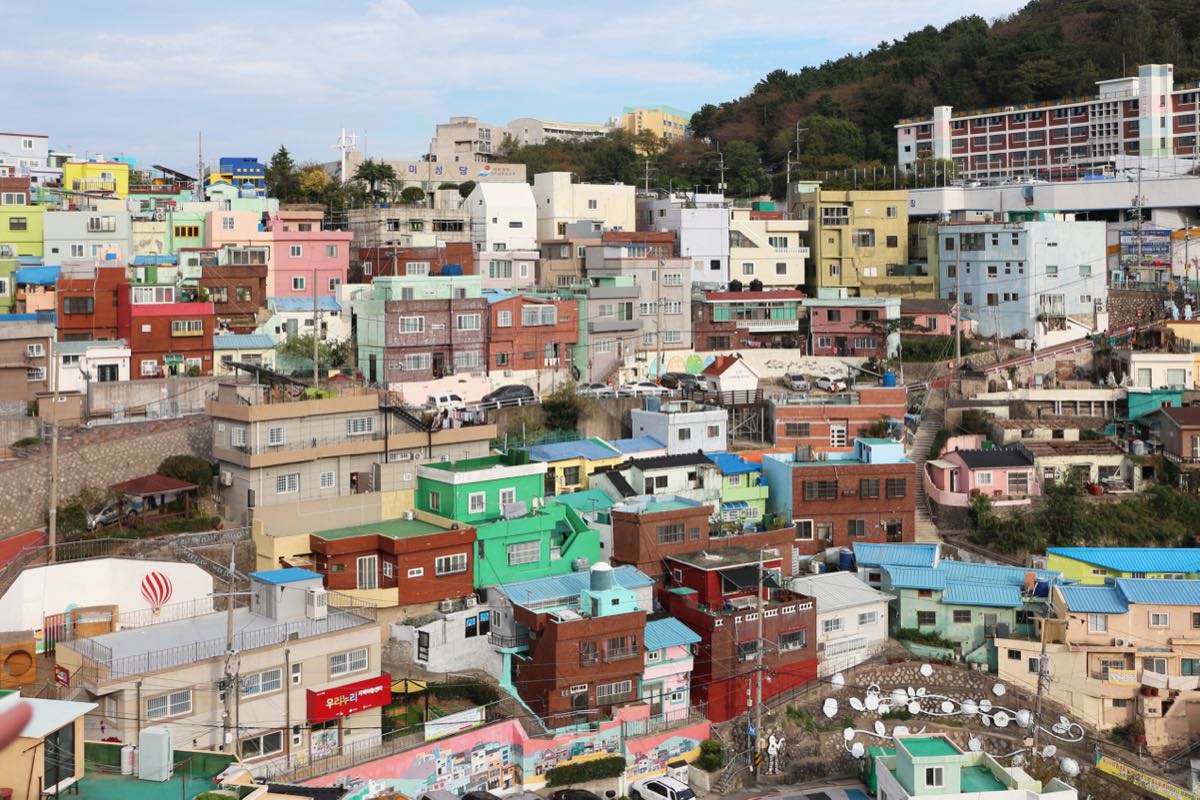
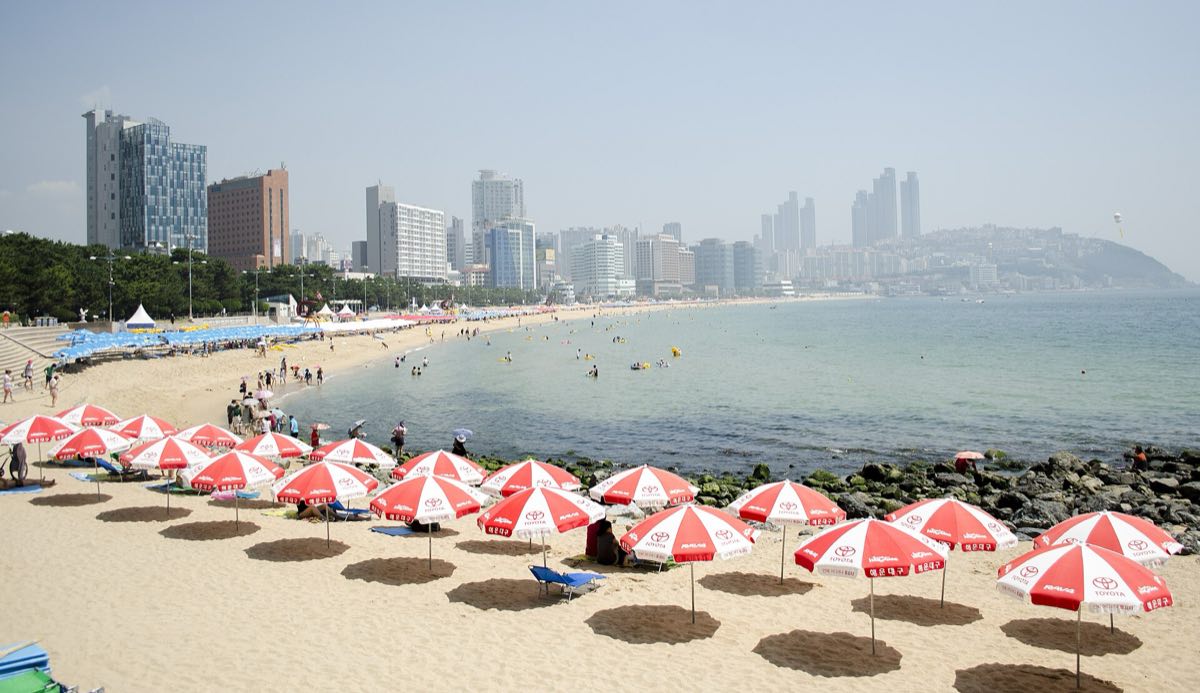
Busan is Korea's second-largest city and biggest port — a seaside city of wide sandy beaches, fresh seafood, and neighborhoods climbing the hillsides. During the Korean War it served as the nation's provisional capital for nearly three years, sheltering refugees. Today the high-rise skyline of Haeundae and the colorful alleys of Gamcheon Culture Village are equally loved as photo spots. It is also a cultural hub, home to the Busan International Film Festival.
›Haeundae Beach — Busan's signature beach; in summer its broad sands fill with crowds, and at night the lights of high-rises glow over the sea.Details →
›Gamcheon Culture Village — Colorful houses terraced up a hillside form a maze of alleys, earning it the nickname 'the Santorini of Korea.'Details →
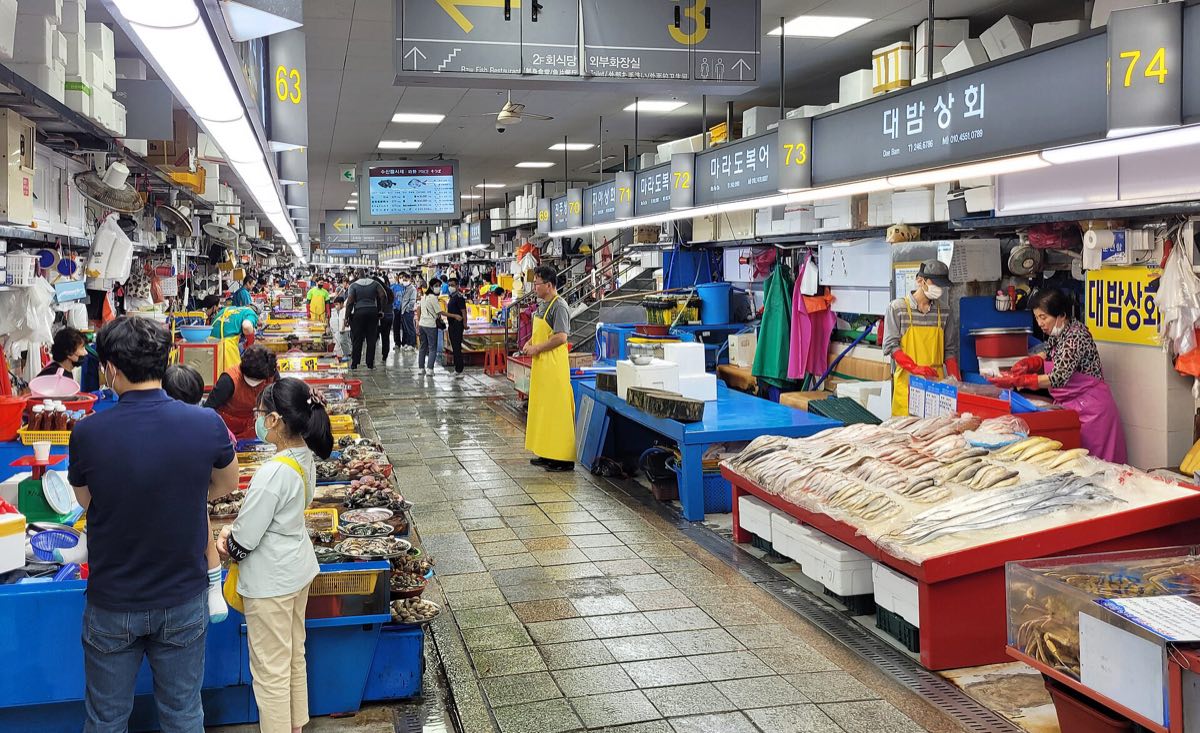
›Jagalchi Market — Korea's largest seafood market, where you can taste freshly caught seafood on the spot.Details →
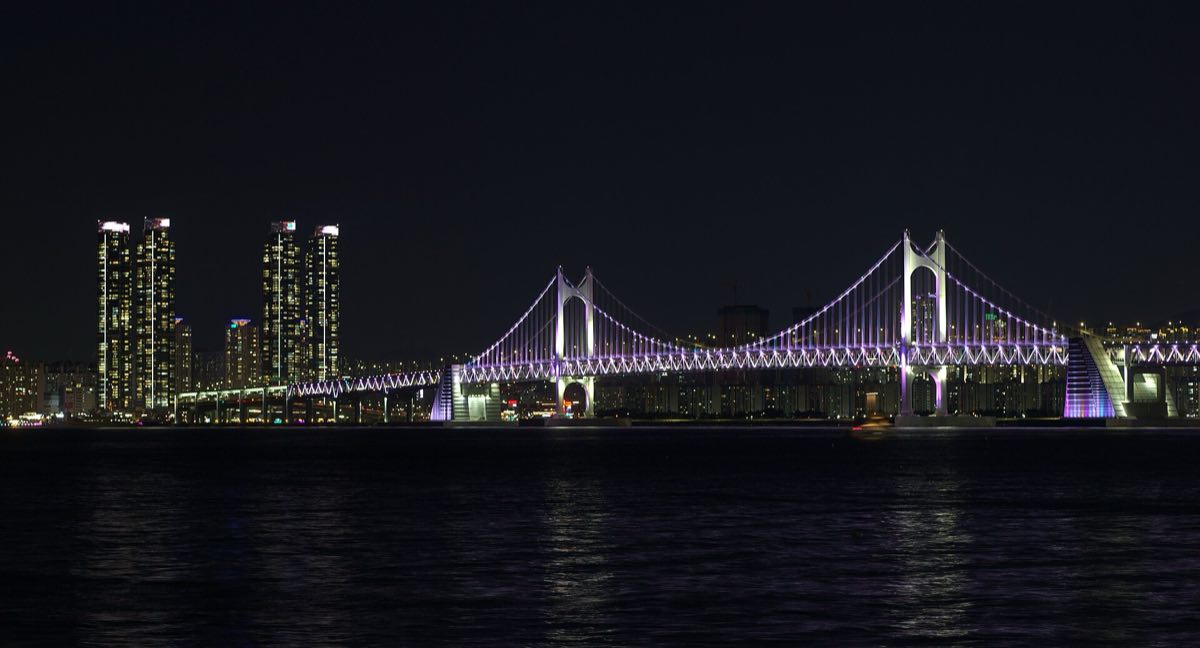
›Gwangalli and the Gwangan Bridge — A night-view spot pairing the beach with a suspension bridge over the sea, also known for its cafes and drone light shows.Details →
Haeundae BeachJagalchi MarketGwangalli and the Gwangan Bridge
When Seoul fell during the Korean War, Busan served as the provisional capital of the Republic of Korea from 1950 to 1953 — the 'refugee capital' that sheltered the wartime government and its refugees. Traces of Busan from this period are a key topic in modern history.
Korea's largest island, shaped by volcanoes — a UNESCO natural heritage
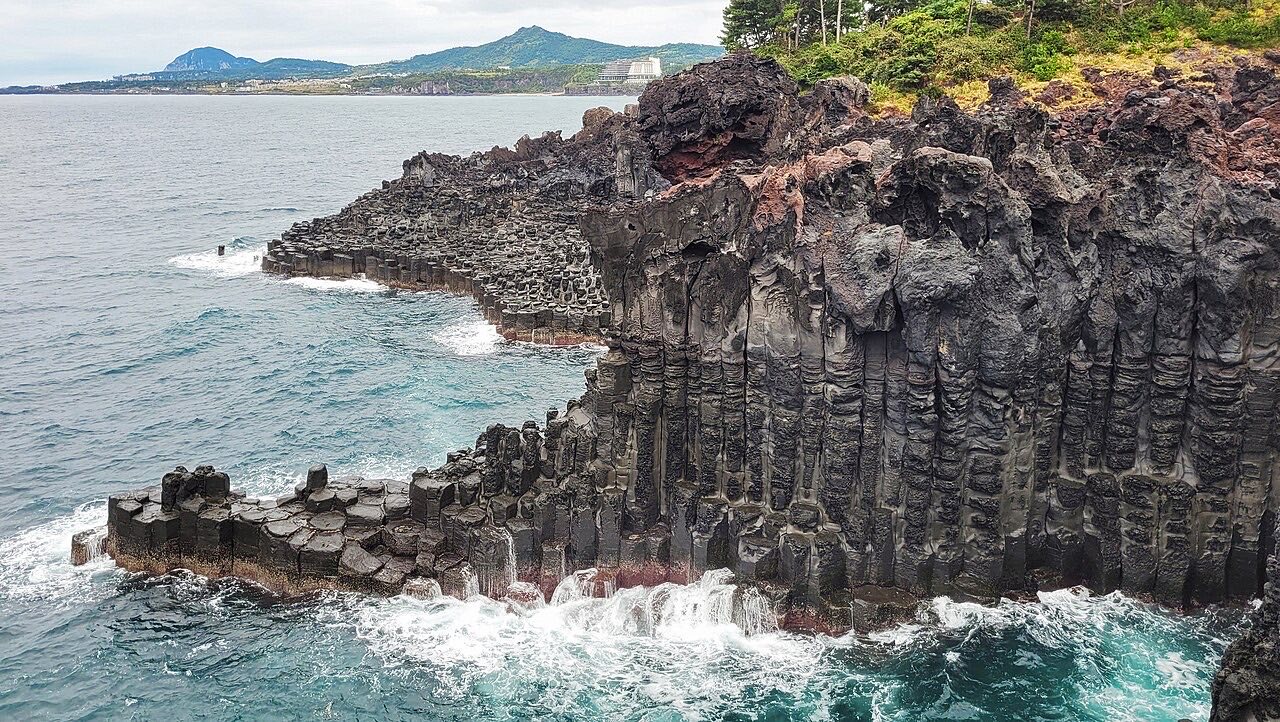
Jeju is Korea's largest island, formed by volcanic activity, and its Hallasan, Seongsan Ilchulbong, and lava tubes are inscribed as UNESCO World Natural Heritage. A distinctive island culture lives on — black basalt stone walls, the haenyeo (women divers), and dolhareubang stone statues — giving it a feel quite different from the mainland. With the coastal Olle trails, oreum (volcanic cone) hikes, and year-round resorts, it is a favorite destination for Koreans and foreigners alike. Its mild climate fills the landscape with palm trees and tangerine groves.
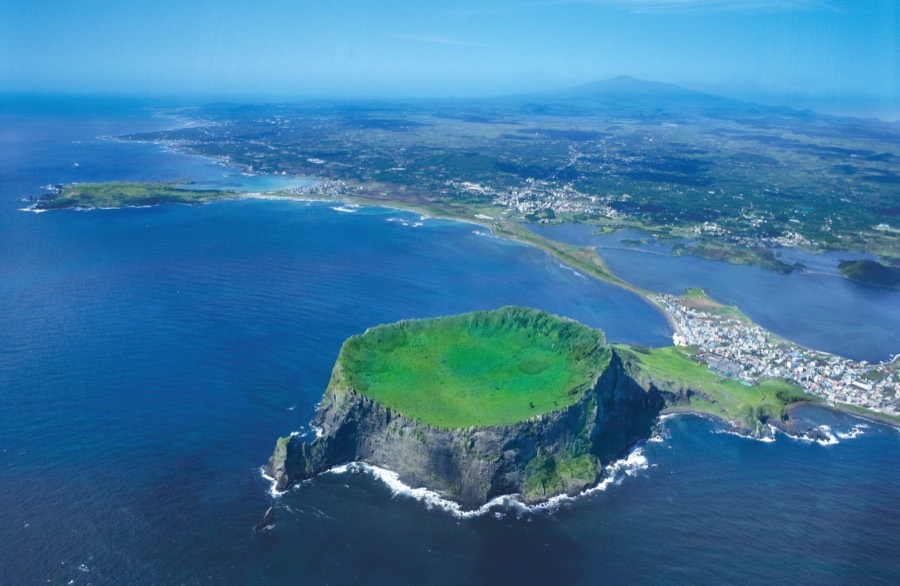
›Seongsan Ilchulbong — A volcanic crater rising from the sea; the sunrise seen from its summit is spectacular, giving it the name 'Sunrise Peak.'Details →
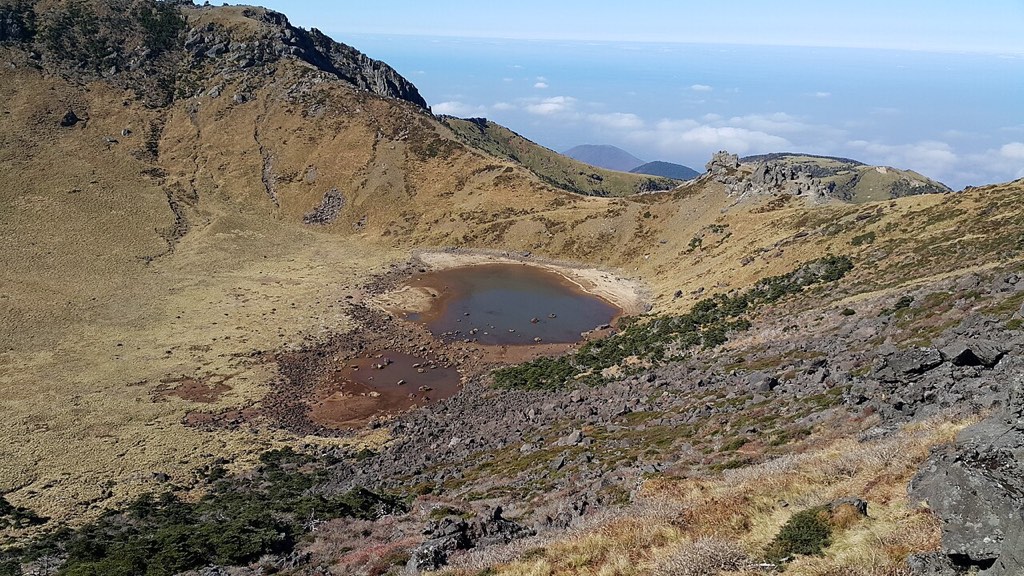
›Hallasan — At 1,947 m the highest mountain in South Korea and the heart of the island, crowned by the Baengnokdam crater lake.Details →
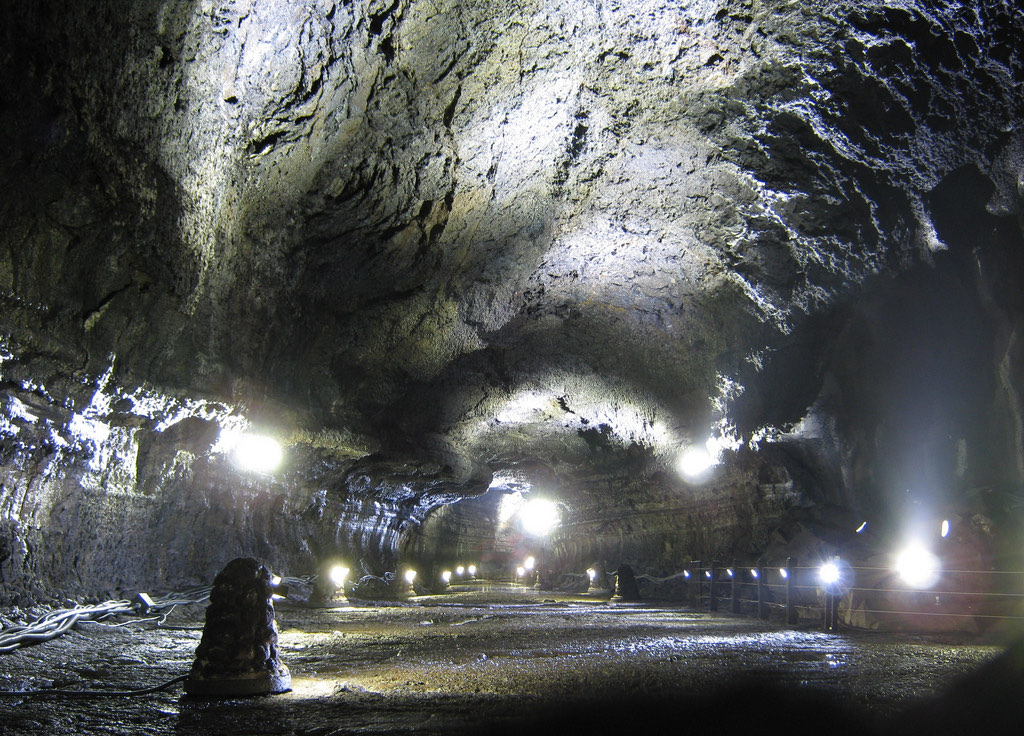
›Manjanggul Lava Tube — One of the world's larger lava tubes, revealing how the volcanic island of Jeju was formed.Details →
›Olle Trails — Walking routes linking the coast and villages, letting you experience Jeju's nature and daily life at a slow pace.
Seongsan IlchulbongHallasanManjanggul Lava Tube
📷 Korea.net / Korean Culture and Information Service, CC BY-SA 2.0 · Joshua0608, CC BY-SA 4.0 · Gary Cycles, CC BY 2.0
Seoul (Gimpo Airport) → Jeju Airport by air (~1 hr 5 min)
📚 Exam Points (Korean History Exam)
Jeju is the setting of the Jeju April 3 Incident (1948–1954), which arose amid the turmoil of Cold War and division after Liberation. In the conflict surrounding the establishment of a separate government, many islanders lost their lives, and the event is treated as important in modern history.
Home of head families and academies — the capital of Korean spiritual culture
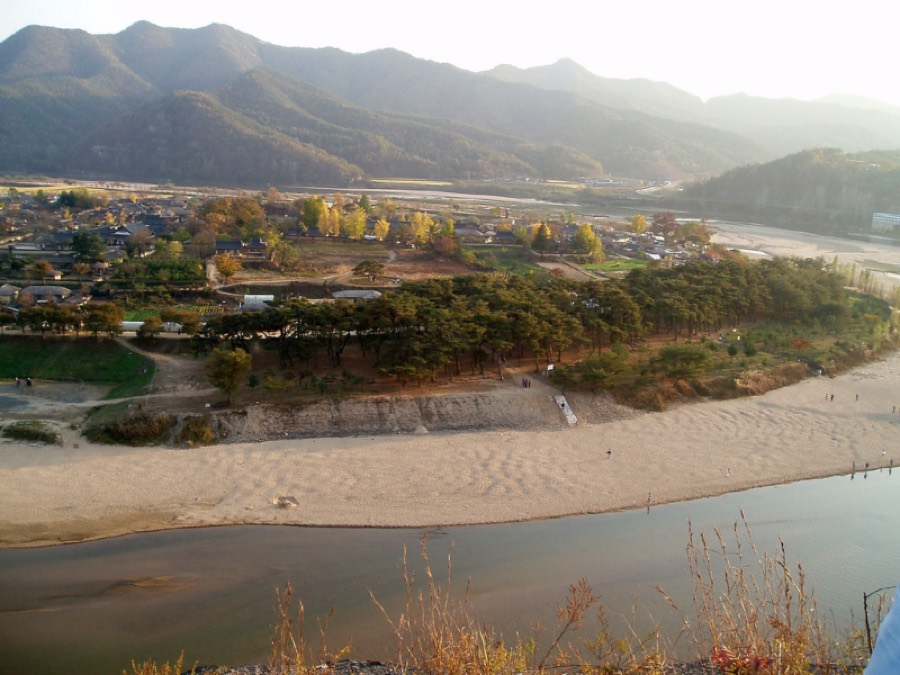
Andong is where Joseon-era Neo-Confucianism and yangban (aristocratic) culture took their deepest root, and even today its head-family homes, Confucian academies, and traditional villages remain much as they were — earning it the name 'the capital of Korean spiritual culture.' At the UNESCO-listed Hahoe Village you can see tiled and thatched houses set along a looping river and watch mask-dance performances. Centers of Joseon Confucian learning, such as Dosan Seowon founded by the scholar Yi Hwang (Toegye), are gathered here. Local dishes like Andong jjimdak (braised chicken) and salted mackerel are also famous.
›Hahoe Village — A UNESCO World Heritage clan village embraced by a bend of the Nakdong River, where yangban houses and commoners' thatched cottages survive together and the Hahoe Byeolsingut mask dance is handed down.Details →
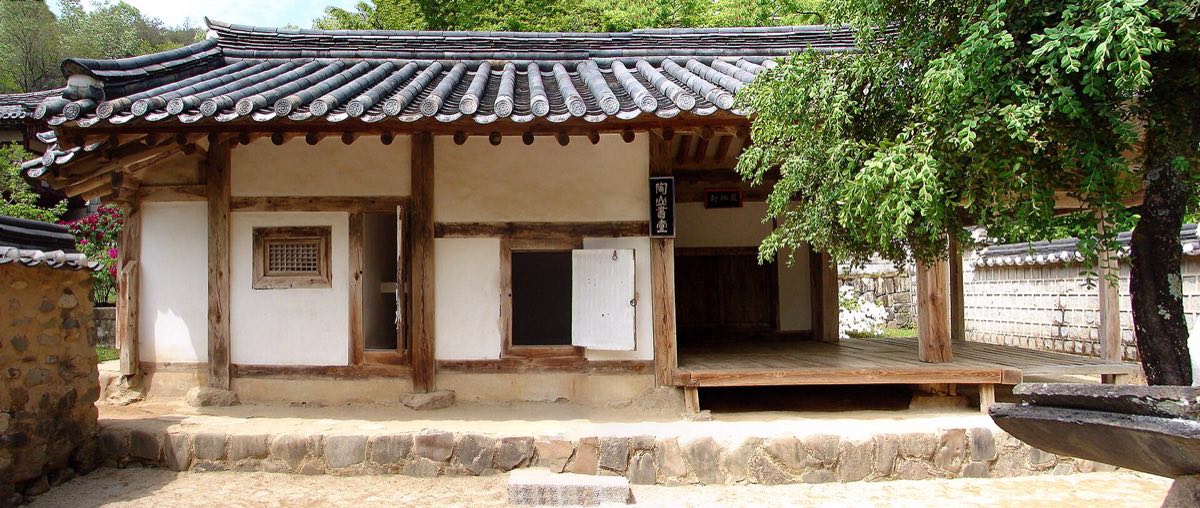
›Dosan Seowon — A Confucian academy honoring the scholar Yi Hwang (Toegye), a center of Joseon Neo-Confucianism and one of the UNESCO-listed 'Seowon, Korean Neo-Confucian Academies.'Details →
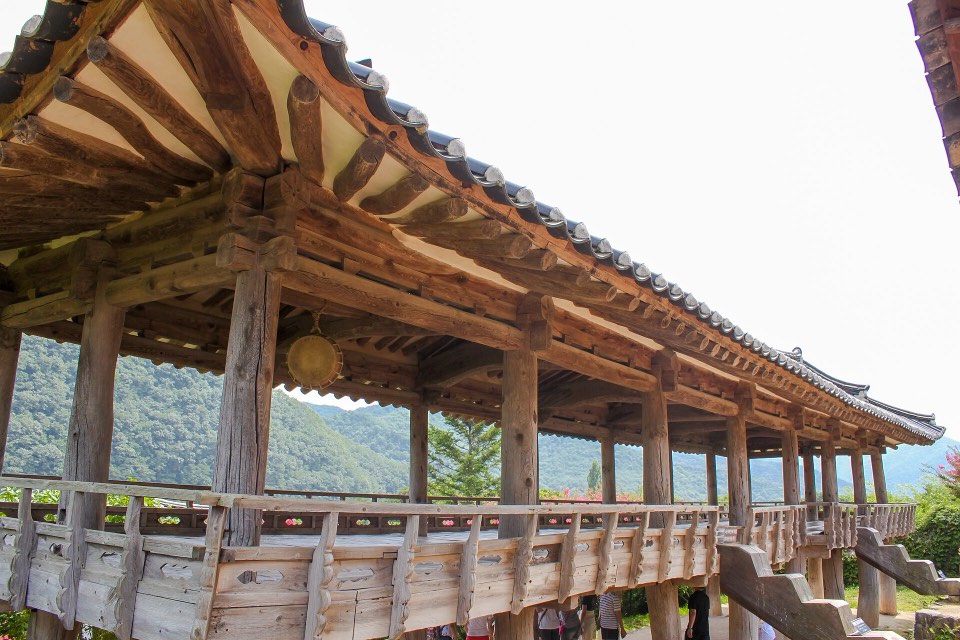
›Byeongsan Seowon — An academy famed for its Mandaeru pavilion facing the Nakdong River and the Byeongsan cliffs, dedicated to the statesman Ryu Seong-ryong.Details →
›Woryeonggyo Bridge — A wooden footbridge across Andong Lake, a popular strolling spot for its beautiful evening lighting.
Dosan SeowonByeongsan SeowonWoryeonggyo Bridge
📷 Steve46814, CC BY-SA 3.0 · Kwkhh, CC BY-SA 4.0 · Choi2451, CC BY-SA 3.0
Cheongnyangni (Seoul) → KTX-Eum to Andong (~2 hrs)
📚 Exam Points (Korean History Exam)
Andong was a center of late-Joseon Neo-Confucianism and seowon (Confucian academy) culture, epitomized by Yi Hwang's Dosan Seowon. Through the academies that survived even the Heungseon Daewongun's abolition of seowon, and through hyangyak (village codes) and clan-law order, one can understand Joseon yangban society.
Birthplace of the Joseon dynasty and Korea's food capital
Jeonju is the ancestral home of the Jeonju Yi clan, who founded the Joseon dynasty, and it carries great symbolic weight as the dynasty's birthplace. Its Hanok Village, with more than 700 tiled houses, is always busy with travelers strolling the alleys in hanbok. Gyeonggijeon, which enshrines the portrait of King Taejo (Yi Seong-gye), stands facing the Western-style Jeondong Cathedral. A food city known for Jeonju bibimbap and hanjeongsik (Korean table d'hôte), it has been named a UNESCO Creative City of Gastronomy.
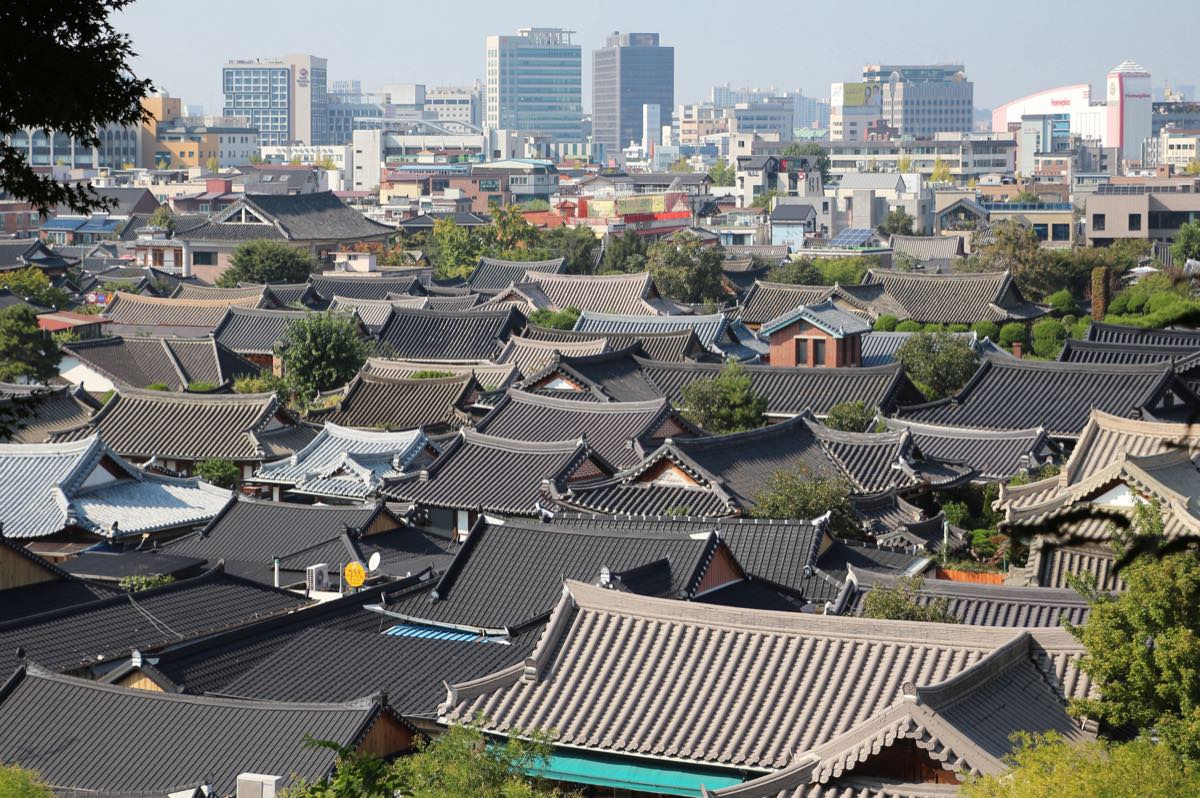
›Jeonju Hanok Village — A village of some 700 traditional tiled houses, combining hanbok rentals, street food, and traditional craft workshops.Details →
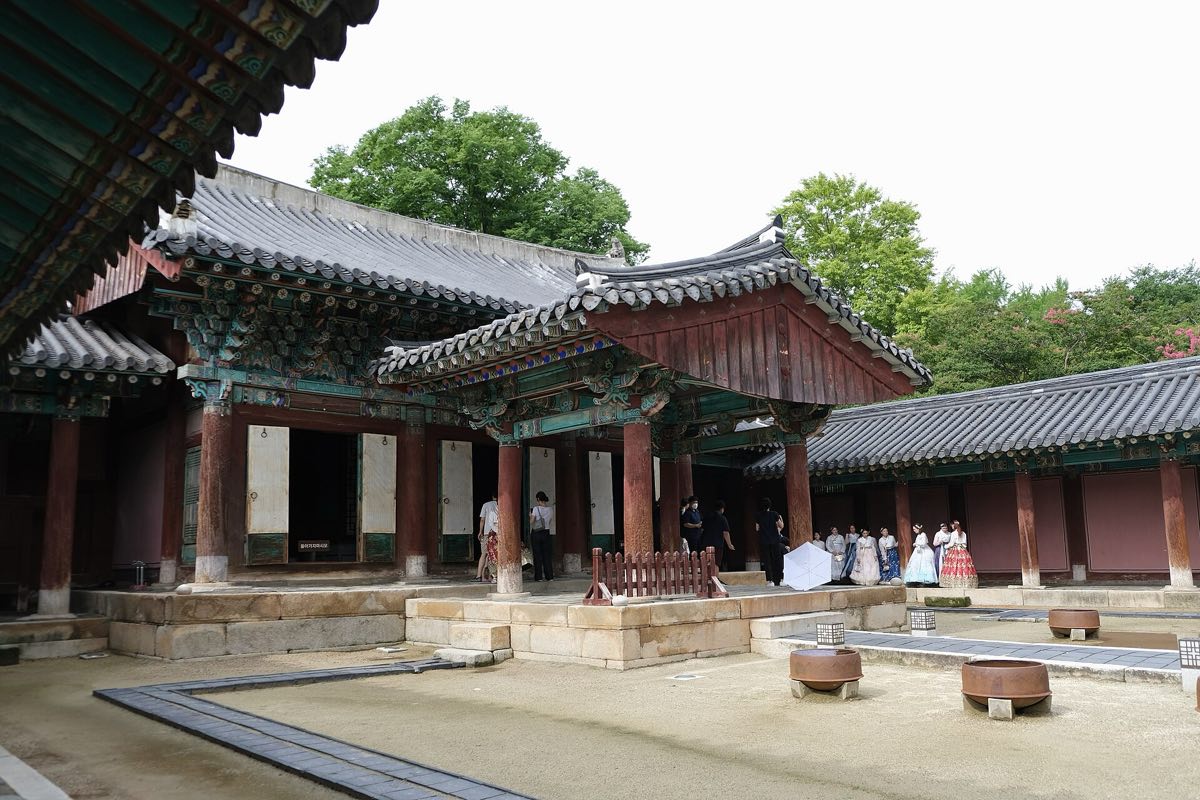
›Gyeonggijeon Shrine — A shrine enshrining the royal portrait (eojin) of King Taejo, Yi Seong-gye, reflecting Jeonju's standing as the dynasty's birthplace.Details →
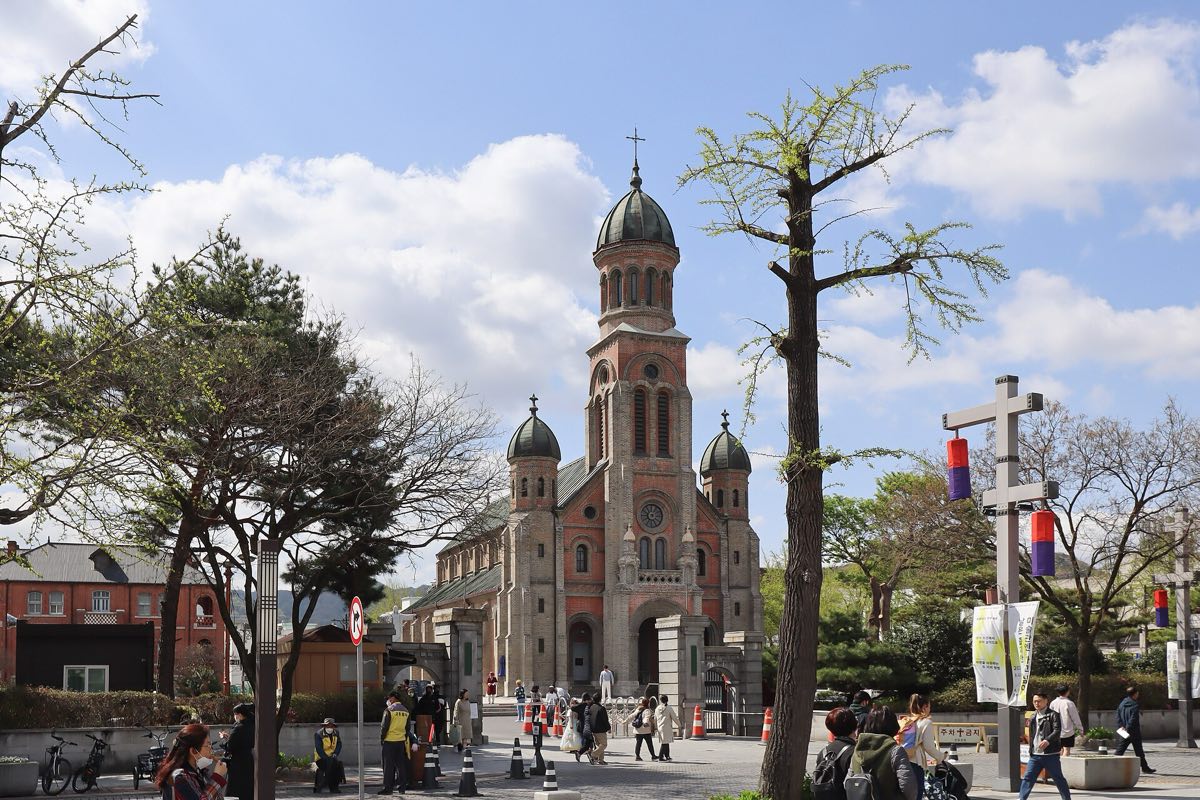
›Jeondong Cathedral — A Western-style brick cathedral built in the early 20th century, beloved for the exotic scene it creates alongside the hanok village.Details →
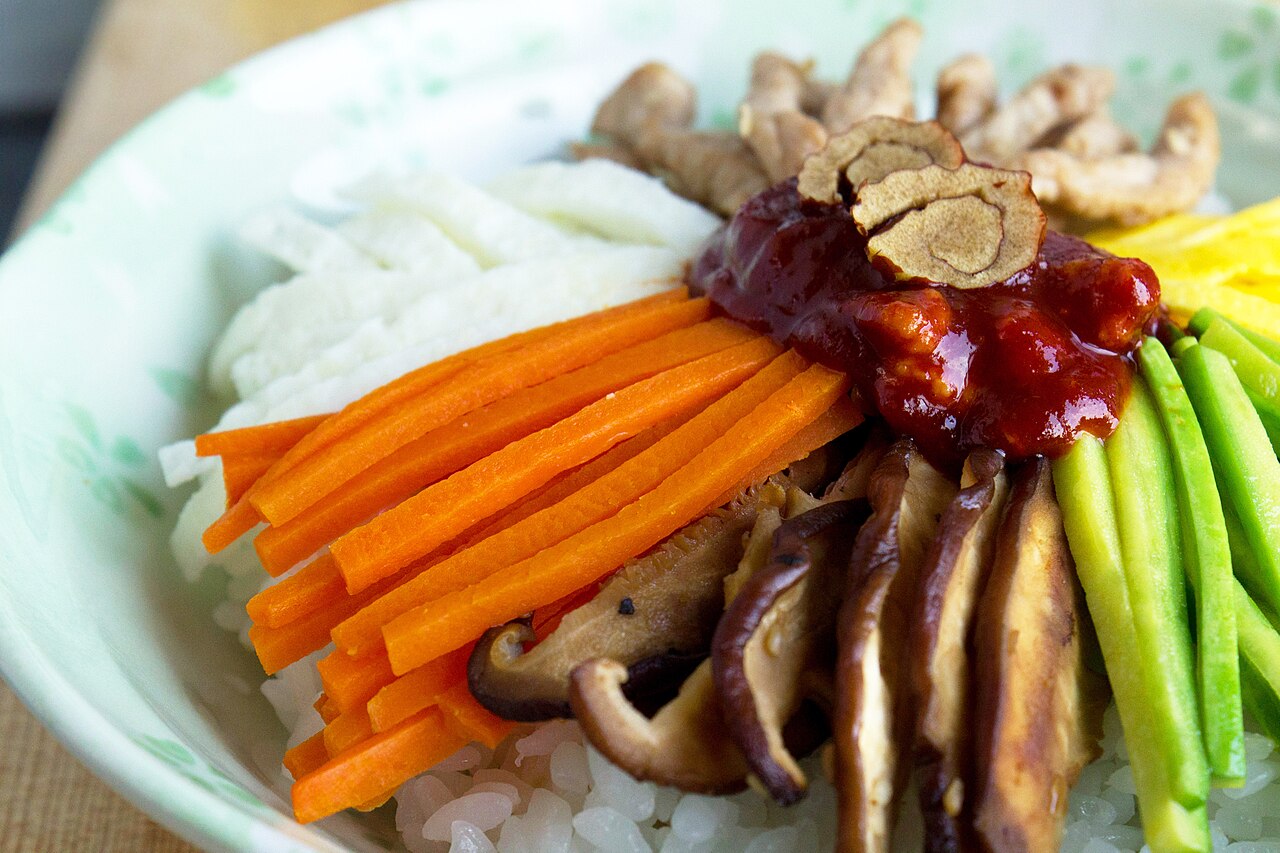
›Jeonju bibimbap and hanjeongsik — Jeonju bibimbap with its lavish toppings and the table-filling hanjeongsik course are the signature dishes that made Jeonju a food capital.
Gyeonggijeon ShrineJeondong CathedralJeonju bibimbap and hanjeongsik
📷 Motoko C. K., CC BY 4.0 · Mobius6, CC BY-SA 4.0 · Chloe Lim, CC BY 2.0
Jeonju is the birthplace of the Jeonju Yi clan, the lineage of King Taejo (Yi Seong-gye) who founded Joseon, and his royal portrait is enshrined at Gyeonggijeon. It was also the capital of Later Baekje under Gyeon Hwon, and appears in exams as a symbolic space of Joseon's founding.
A fortress city that embodies King Jeongjo's vision
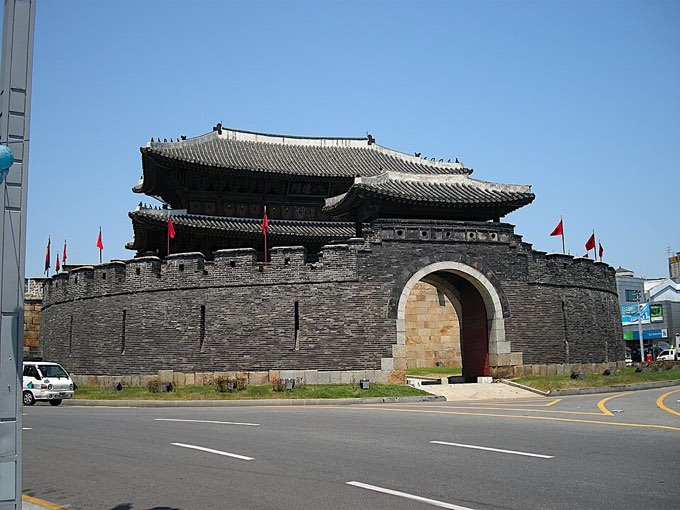
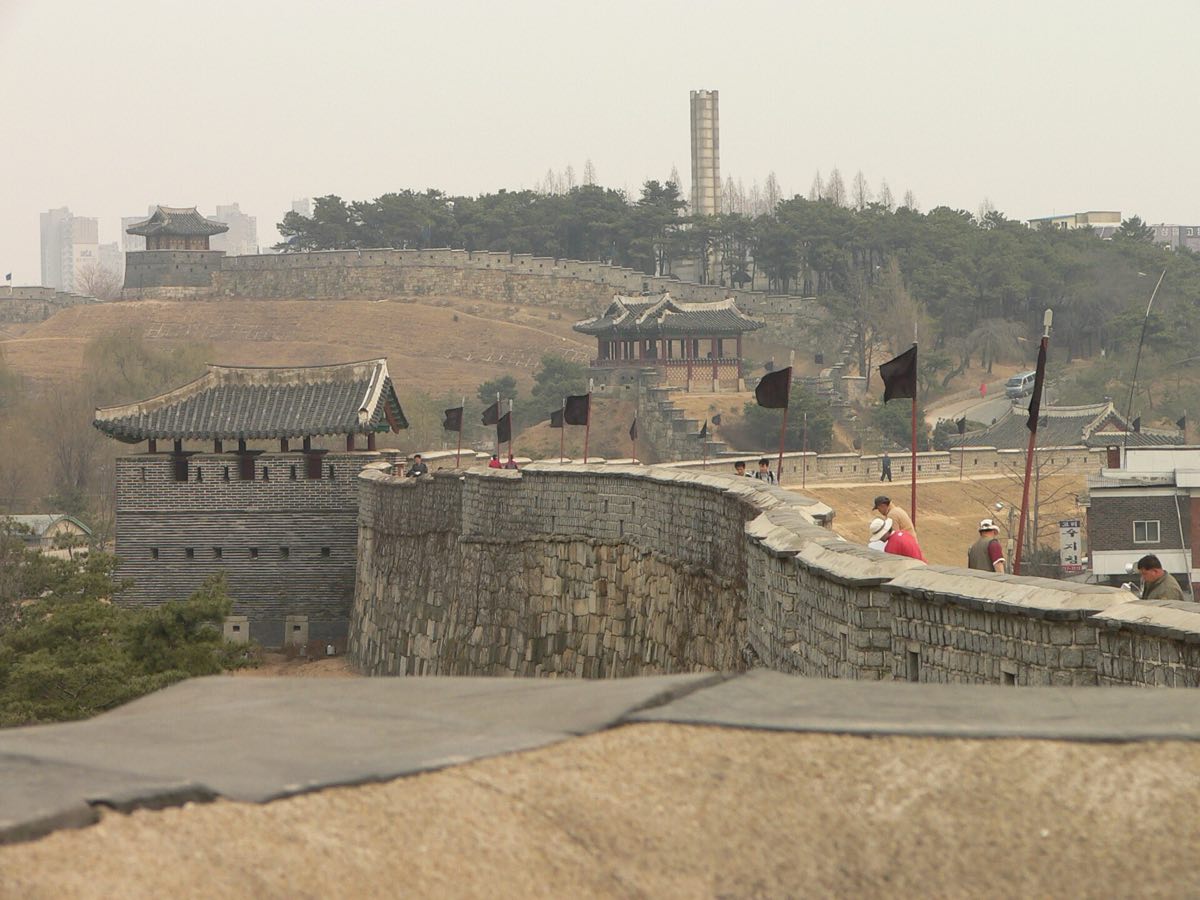
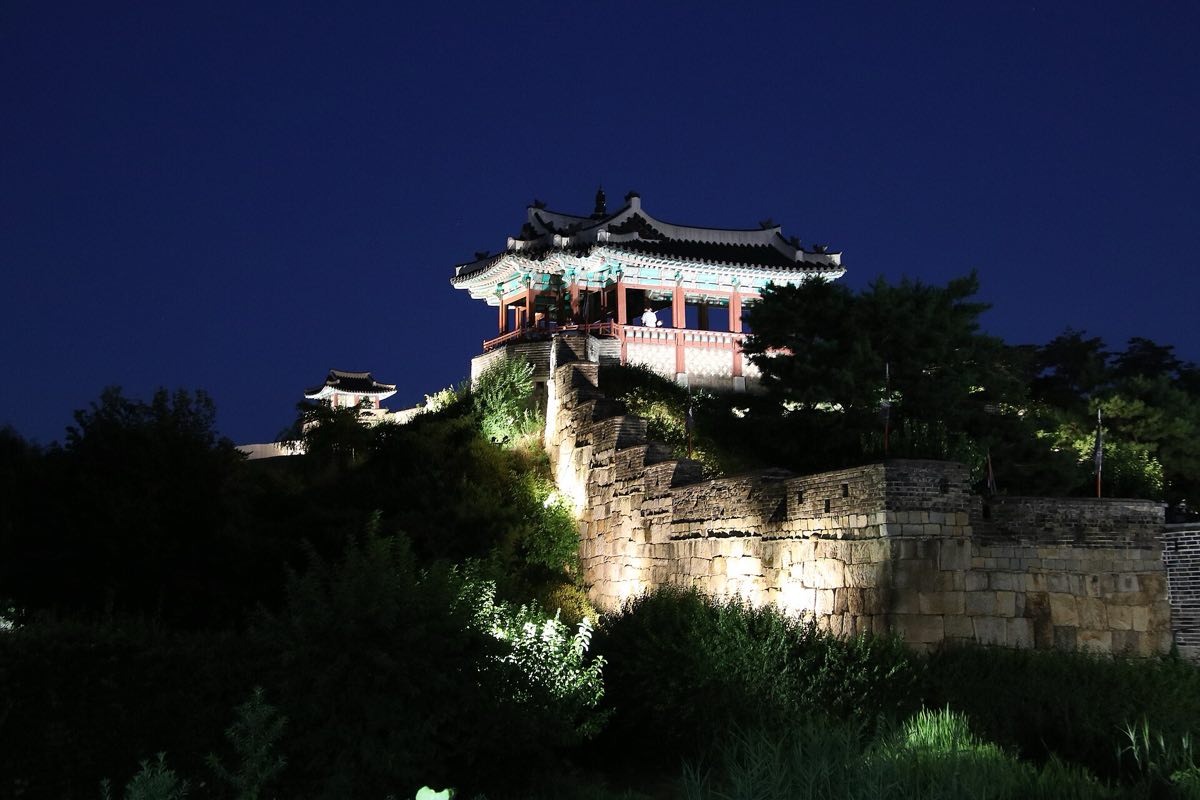
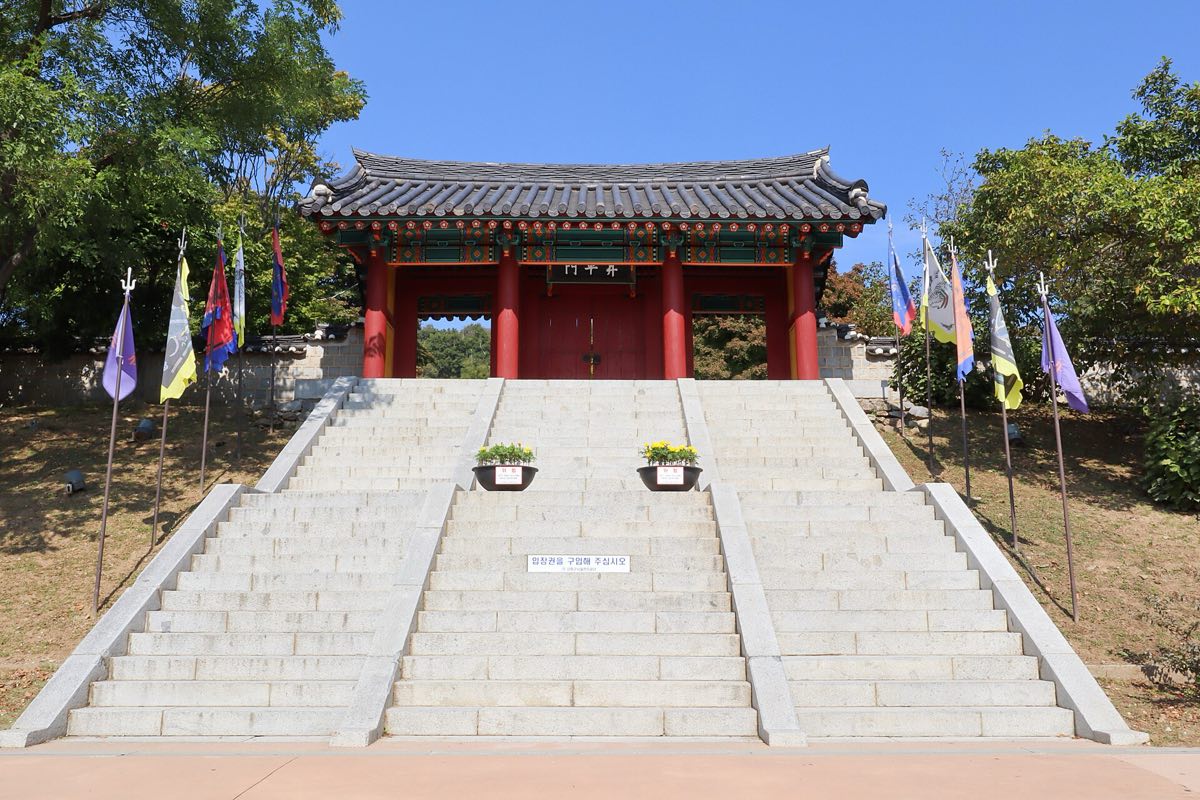
Suwon is the main city of Gyeonggi Province just south of Seoul, famous for Suwon Hwaseong Fortress, built by King Jeongjo in the late Joseon period. Walking along the walls you meet gates and pavilions such as Paldalmun, Hwaseomun, and Banghwasuryujeong, while at Hwaseong Haenggung palace, performances re-enact court events of Jeongjo's era. City life and a UNESCO World Heritage site blend together, making it appealing both day and night. Reachable from Seoul by subway, it also makes a fine day trip.
›Suwon Hwaseong Fortress — A fortress completed by King Jeongjo in 1796, built with the technology of its day such as Jeong Yak-yong's geojunggi (crane) and inscribed as a UNESCO World Heritage Site.Details →
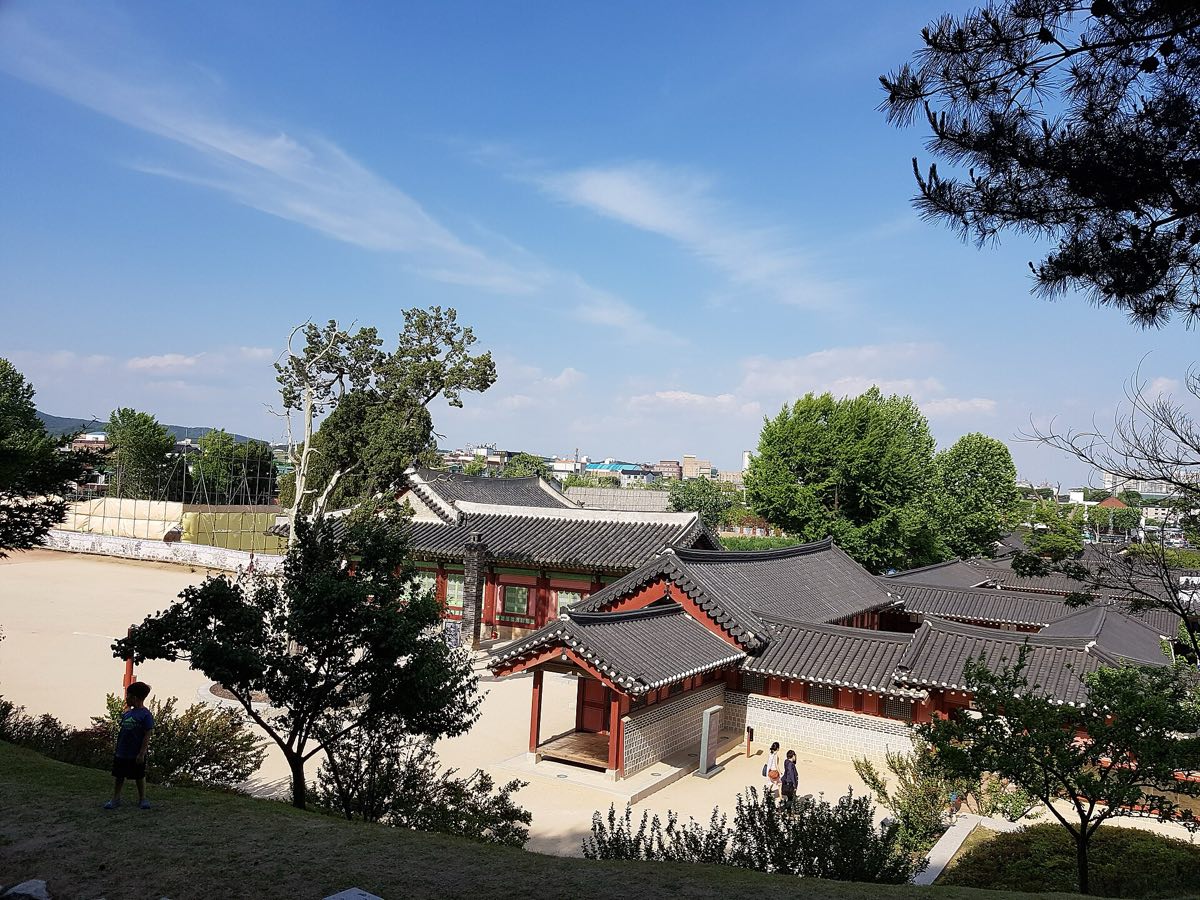
›Hwaseong Haenggung — The temporary palace where King Jeongjo stayed on his visits to Hwaseong, now the stage for re-enactments of court martial arts and ceremonies.Details →
›Banghwasuryujeong Pavilion — A pavilion set by a pond on the fortress wall, counted among the most beautiful scenes of Hwaseong.Details →
›Paldalmun Market — A traditional market that grew up around Paldalmun, the south gate of Hwaseong, easy to enjoy alongside a walk on the walls.
Suwon Hwaseong is a planned fortress raised by King Jeongjo in 1794–1796 in the late Joseon period, built with the geojunggi (crane) devised by Jeong Yak-yong. It appears in exams as a landmark showing King Jeongjo's reform politics and the achievements of Silhak (Practical Learning).
The DMZ (Demilitarized Zone)Gyeonggi–Gangwon border area
The front line of division and the world's last Cold War frontier
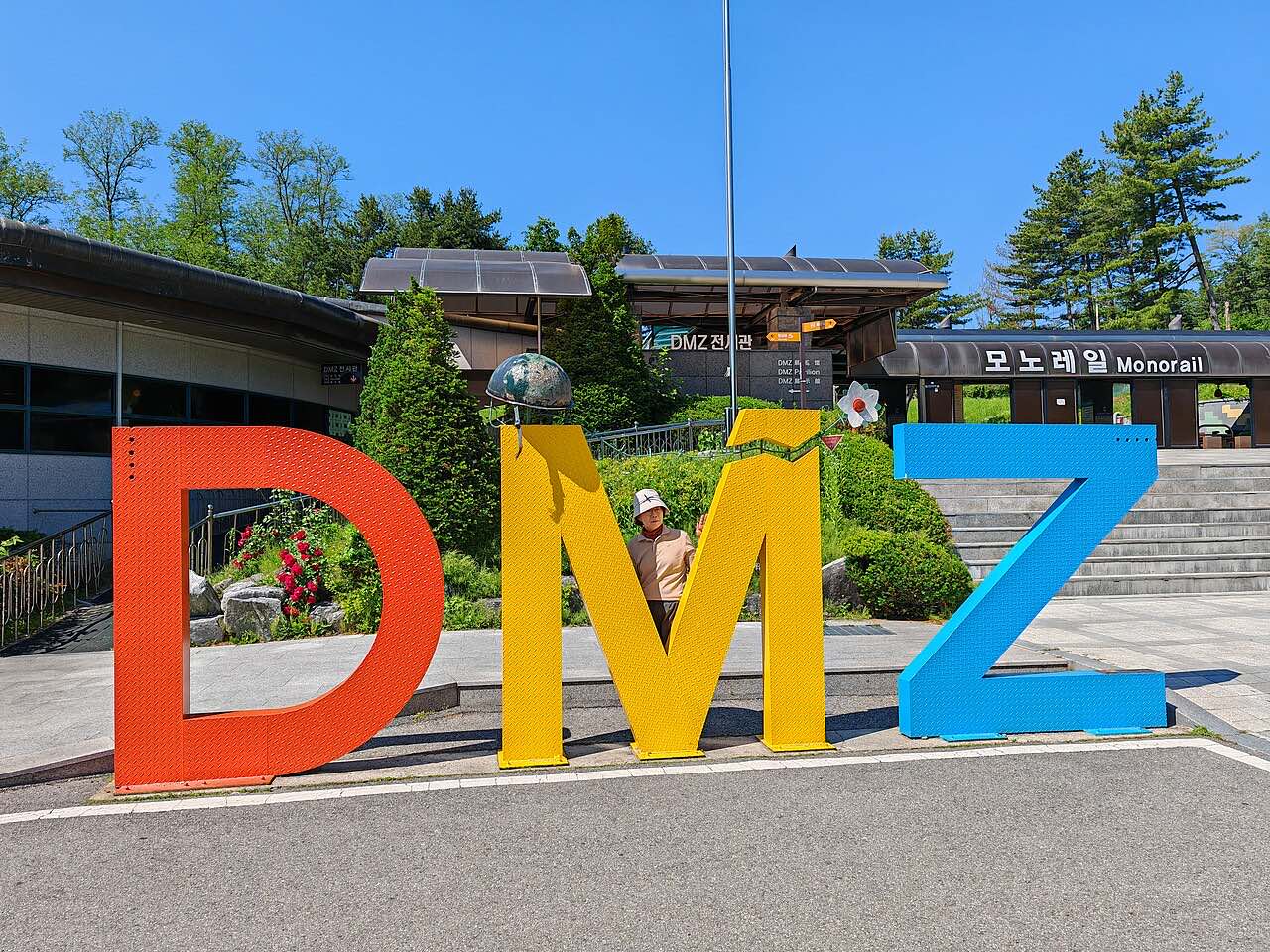
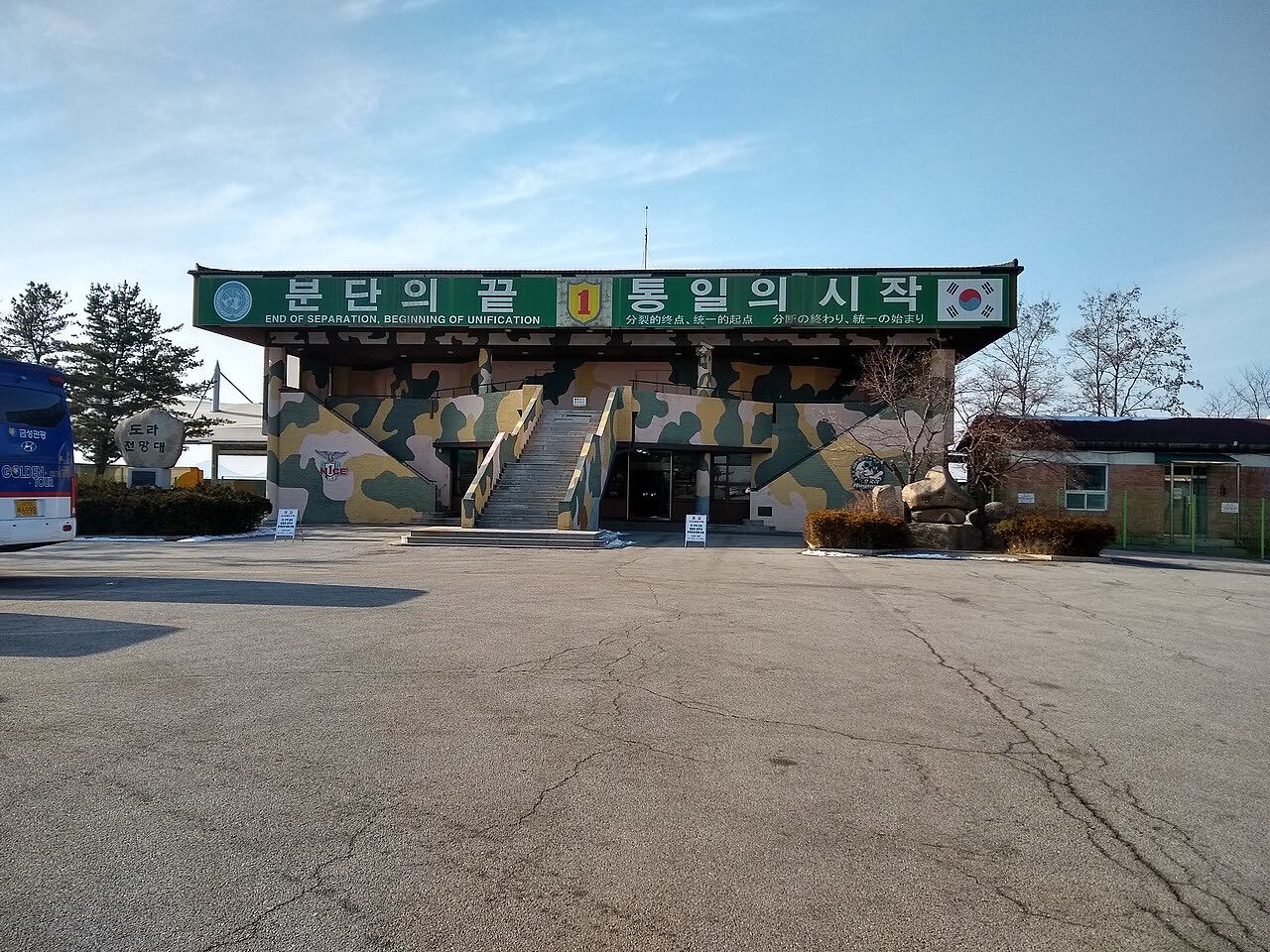
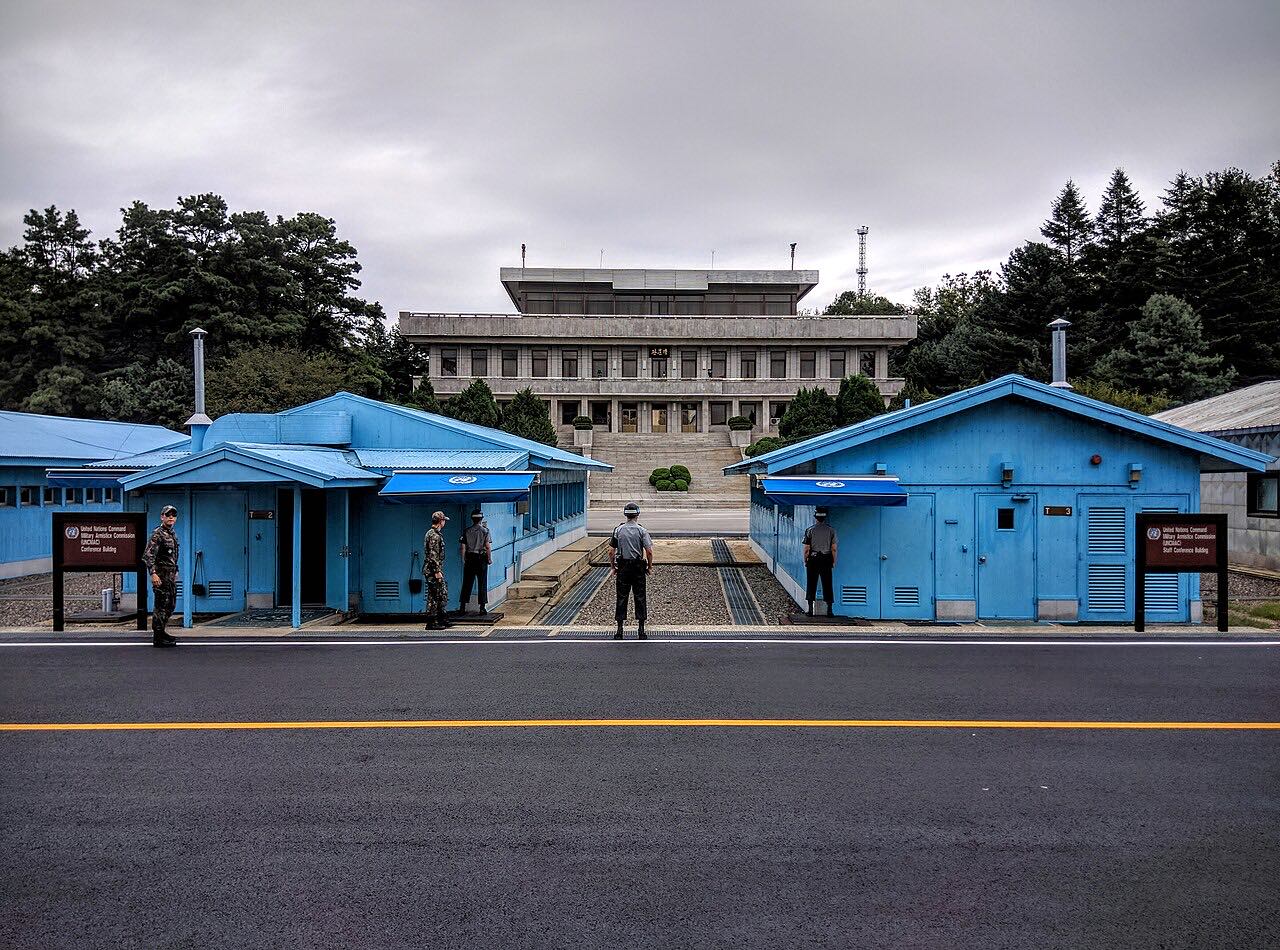
The DMZ is a roughly 4-km-wide demilitarized strip set between the two Koreas along the Military Demarcation Line drawn by the 1953 Armistice Agreement — the only Cold War front line left in the world. At Imjingak, the Dora Observatory, and the Third Infiltration Tunnel you can see the reality of division firsthand, and the Joint Security Area (JSA) at Panmunjom is the symbolic place where North and South face each other. Untouched by people for over half a century, it has also become, intriguingly, a refuge of rare wildlife. It is a destination where you feel Korea's modern history with your whole body.
›Imjingak and Pyeonghwa-Nuri Park — The northernmost point civilians can freely reach, with the Mangbaedan altar for displaced families and the severed Freedom Bridge.Details →
›The Third Infiltration Tunnel — One of the tunnels dug by North Korea for infiltration; descending underground, you feel the tension of division directly.Details →
›Dora Observatory — An observatory looking out across the Military Demarcation Line toward North Korean territory and the direction of Kaesong.Details →
›Panmunjom Joint Security Area (JSA) — Where the Armistice was signed and inter-Korean talks are held; it can be visited only on a separately arranged tour.Details →
The Third Infiltration TunnelDora ObservatoryPanmunjom Joint Security Area (JSA)
📷 Dwxn, CC BY-SA 4.0 · Lance Vanlewen, CC BY-SA 4.0 · Travis Wise, CC BY 2.0
Best season
Spring and autumn (advance booking required)
Getting there
Seoul → Imjingak (Paju) by car or tour bus (~1 hr)
📚 Exam Points (Korean History Exam)
The DMZ is the demilitarized zone established by the 1953 Armistice Agreement that halted the Korean War — a symbol of the division of Korea across the Military Demarcation Line. The armistice regime and the entrenchment of division are core topics in modern history.
Sabi, the last Baekje capital — the quiet grace of an ancient city
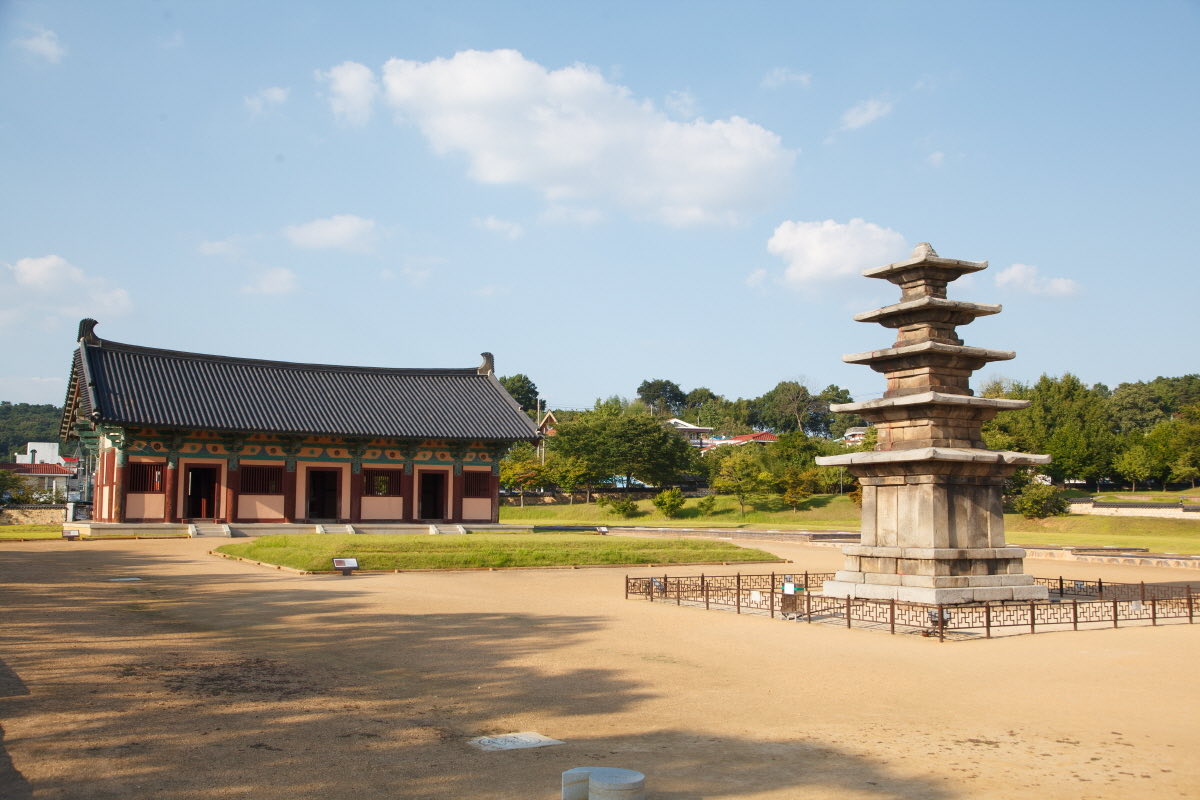
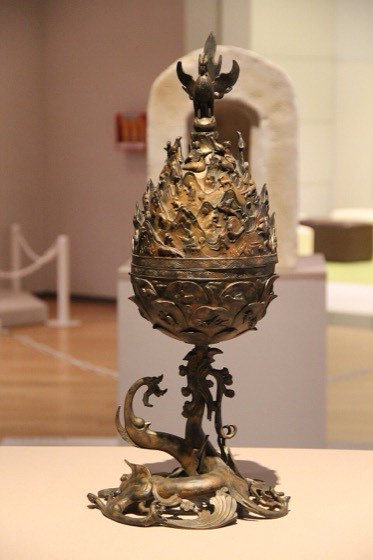
Buyeo is where Sabi stood — the last capital to which Baekje moved in 538 from Ungjin (today's Gongju) — an old city that holds both the height and the fall of Baekje culture. The Jeongnimsaji five-story stone pagoda, Busosanseong Fortress, and Nakhwaam cliff line the Baengma River, and the Buyeo National Museum displays masterpieces such as the Baekje gilt-bronze incense burner. Nearby Gongju keeps the Muryeong Royal Tomb from the Ungjin period, so travelers pair the two cities as 'the old capitals of Baekje.' Here you can feel the restraint and refinement that mark Baekje's distinctive aesthetic over sheer splendor.
›Jeongnimsaji Five-story Stone Pagoda — The signature pagoda of Baekje's Sabi period and a masterpiece of Baekje stonework, showing the transitional style from wooden to stone pagodas.Details →
›Busosanseong Fortress and Nakhwaam — The mountain fortress that guarded the Sabi capital, joined by Nakhwaam — the cliff over the Baengma River where, by legend, court women threw themselves as Baekje fell.Details →
›Buyeo National Museum and the Baekje Incense Burner — It gathers Sabi-period artifacts in one place, led by the gilt-bronze incense burner regarded as the pinnacle of Baekje craftsmanship.
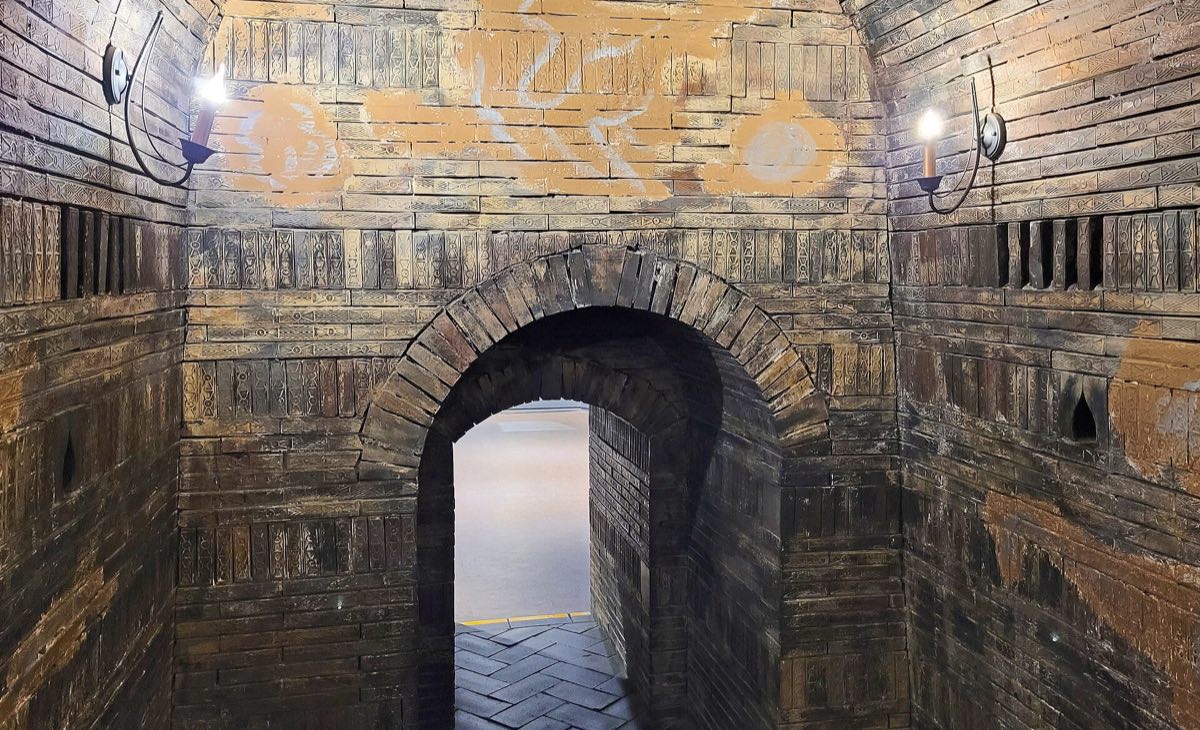
›Muryeong Royal Tomb (Gongju) — A brick-chamber tomb of the Ungjin period in neighboring Gongju; found undisturbed by grave robbers, it became decisive evidence for the study of Baekje history.Details →
Busosanseong Fortress and NakhwaamBuyeo National Museum and the Baekje Incense BurnerMuryeong Royal Tomb (Gongju)
Spring and autumn (Baekje Cultural Festival in October)
Getting there
Seoul → Buyeo by express bus (~2 hrs 30 min)
📚 Exam Points (Korean History Exam)
Buyeo is Sabi, the last capital to which Baekje moved under King Seong; the Jeongnimsaji five-story pagoda and the Baekje incense burner epitomize Baekje culture. Together with the Muryeong Royal Tomb of the earlier capital Ungjin (Gongju), it is a key site showing Baekje's rise, peak, and fall.
From prehistory to the modern era — an island where Korean history is compressed
Ganghwa Island, at the mouth of the Han River, is a place where the great scenes of Korean history are layered one over another — from Bronze Age dolmens through Goryeo's resistance to the Mongols to the modern opening of ports in the late Joseon period. In 1232 Goryeo moved its capital here to resist the Mongol invasions and held out for about forty years, carving the Tripitaka Koreana in the hope of overcoming the national crisis through the power of the Buddha. In the late Joseon era it was the stage for the French (1866) and American (1871) campaigns and the Treaty of Ganghwa — the gateway where Korea first clashed with the West and Japan. Close to Seoul, it is a popular day trip for history travelers.
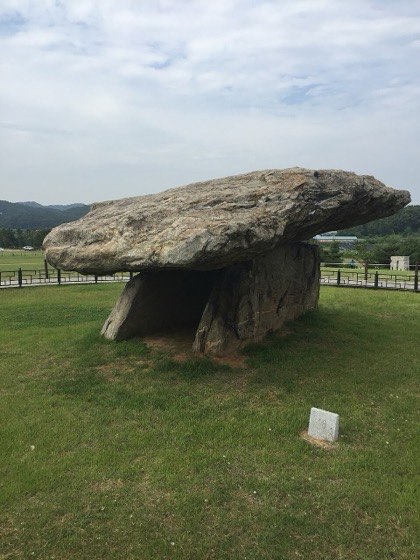
›Ganghwa Dolmens (Bugeun-ri) — A giant Bronze Age table-style dolmen, part of the UNESCO World Heritage 'Gochang, Hwasun, and Ganghwa Dolmen Sites.'Details →
›Goryeo Palace Site and Ganghwa Fortress — The palace grounds and walls built after Goryeo moved its capital here to resist the Mongols, preserving traces of forty years of struggle.Details →
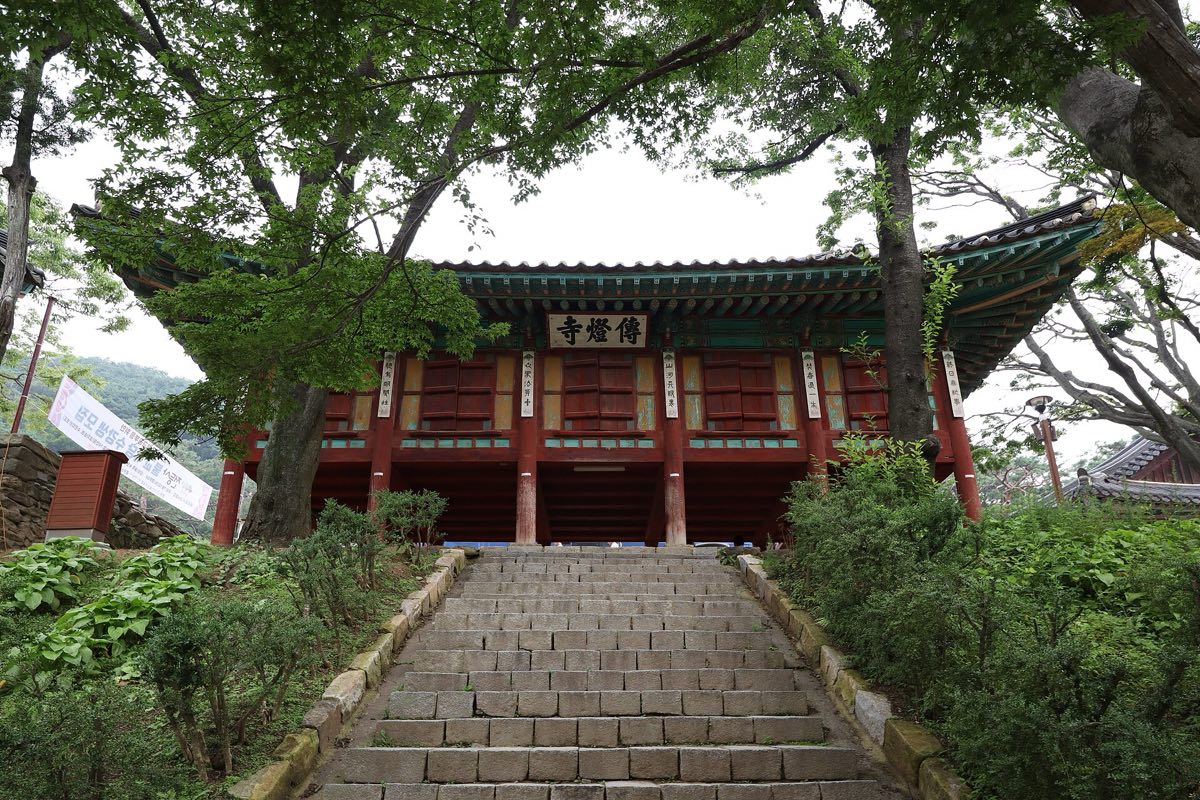
›Jeondeungsa Temple — An old temple set within Samnangseong (Jeongjoksanseong) Fortress, also the site of the battle that repelled French forces during the 1866 campaign.Details →
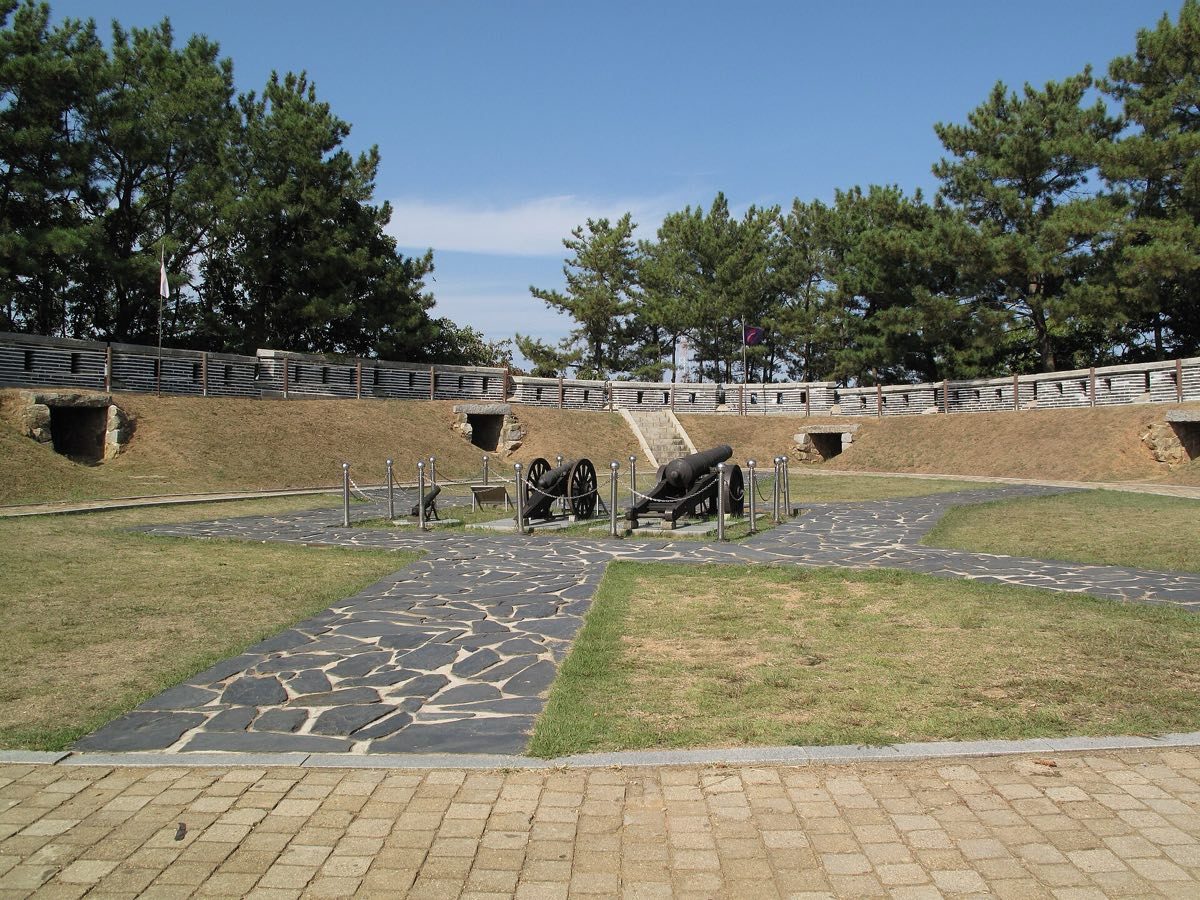
›Gwangseongbo and Chojijin — Coastal garrison forts that guarded Ganghwa, the scene of clashes with modern foreign powers such as the 1871 American campaign and the Unyo incident.Details →
Goryeo Palace Site and Ganghwa FortressJeondeungsa TempleGwangseongbo and Chojijin
Seoul → Ganghwa Terminal by intercity bus (~1 hr 30 min)
📚 Exam Points (Korean History Exam)
Ganghwa was the base of resistance where Goryeo moved its capital against the Mongols in 1232 and carved the Tripitaka Koreana, and later the stage for the 1866 and 1871 campaigns and the Treaty of Ganghwa (1876). With its Bronze Age dolmens added, prehistory, Goryeo, and modern history all gather on a single island.
The East Sea, pine groves, and the hometown of Yulgok
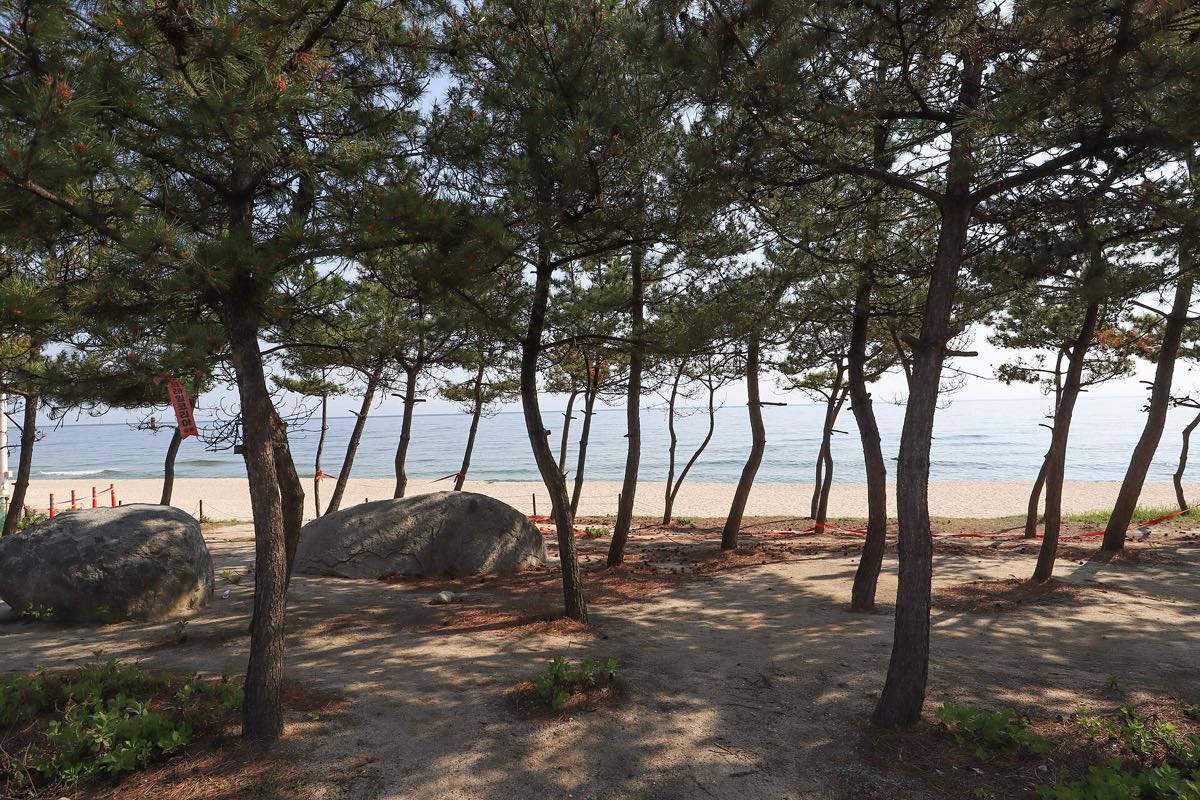
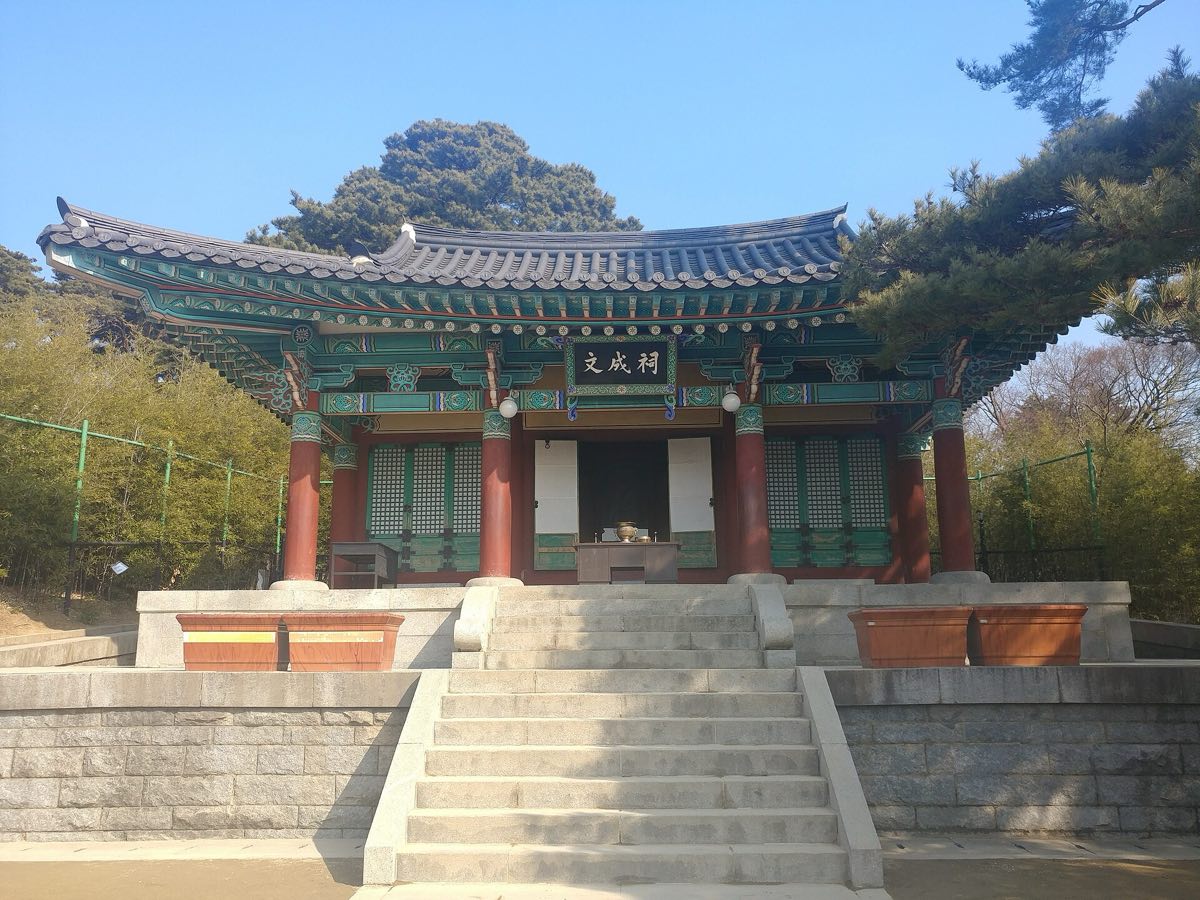
Gangneung is the leading city of Korea's east coast, where the blue sea, Gyeongpo Lake, and pine groves meet, overlaid with traces of Joseon Confucian scholarship. Ojukheon is the house where Sin Saimdang and her son, the scholar Yi I (Yulgok), were born — a place that symbolizes both Joseon Neo-Confucianism and its art. Around the Dano festival the city holds the Gangneung Danoje, inscribed on the UNESCO list of Intangible Cultural Heritage, with shamanic rites and the Gwanno mask drama. Famous too for the Anmok Beach coffee street and seaside cafes, it is especially loved by younger travelers.
›Ojukheon — The Joseon-era gentry house where Sin Saimdang and Yi I (Yulgok) were born, counted among the oldest surviving residential homes in Korea.Details →
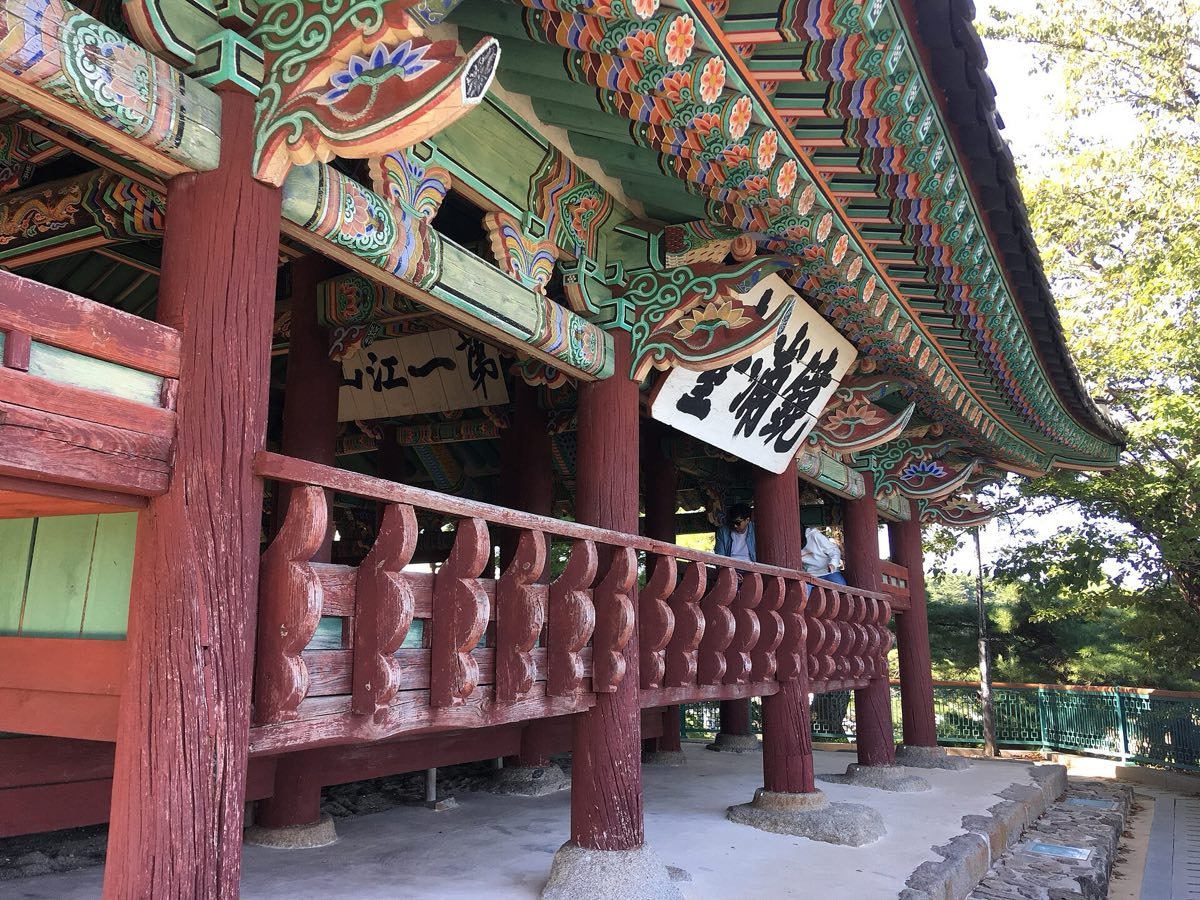
›Gyeongpodae and Gyeongpo Lake — A pavilion and lake counted among the Eight Views of Gwandong, renowned for spring cherry blossoms and moon-viewing.Details →
›Gangneung Danoje Festival — A Dano festival inscribed as UNESCO Intangible Cultural Heritage, featuring the Daegwallyeong mountain-god rite and the Gwanno mask drama.
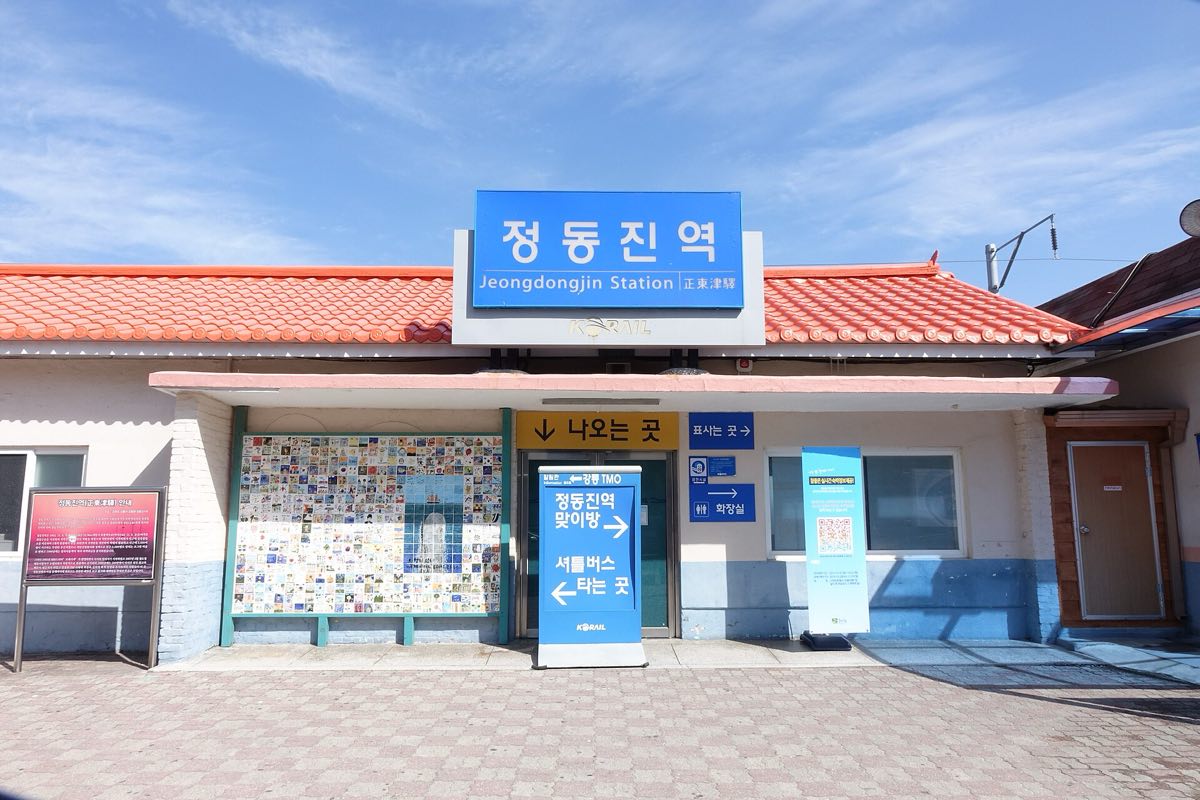
›Anmok Coffee Street and Jeongdongjin — A sea-facing cafe street and a station-side sunrise spot, a favorite stop on any east-coast trip.
OjukheonGyeongpodae and Gyeongpo LakeAnmok Coffee Street and Jeongdongjin
📷 Altostratus, CC BY-SA 4.0 · Christophe95, CC BY-SA 4.0
Summer (beaches) and around Dano (fifth lunar month)
Getting there
Cheongnyangni (Seoul) → KTX to Gangneung (~2 hrs)
📚 Exam Points (Korean History Exam)
Ojukheon in Gangneung is the birthplace of the mid-Joseon scholar Yi I (Yulgok) and his mother Sin Saimdang, illustrating Joseon Neo-Confucianism and gentry culture. Along with the Gangneung Danoje, a UNESCO Intangible Cultural Heritage, it is a town where regional tradition lives on.
The gateway of Korea's modern opening, and its door to the world
Incheon is the gateway of Korea's modern era, where Western goods first poured in when the port of Jemulpo opened in 1883, and today it is the country's first impression, linked to the world through Incheon International Airport. Around the old open-port district, former Chinese and Japanese concessions and modern buildings remain, and the adjoining Chinatown is famed as the birthplace of Korean-style jjajangmyeon. During the Korean War it was also the stage of the Incheon Landing (1950) that reversed the tide of the war. It is a destination where modern history and an exotic atmosphere can be walked side by side.
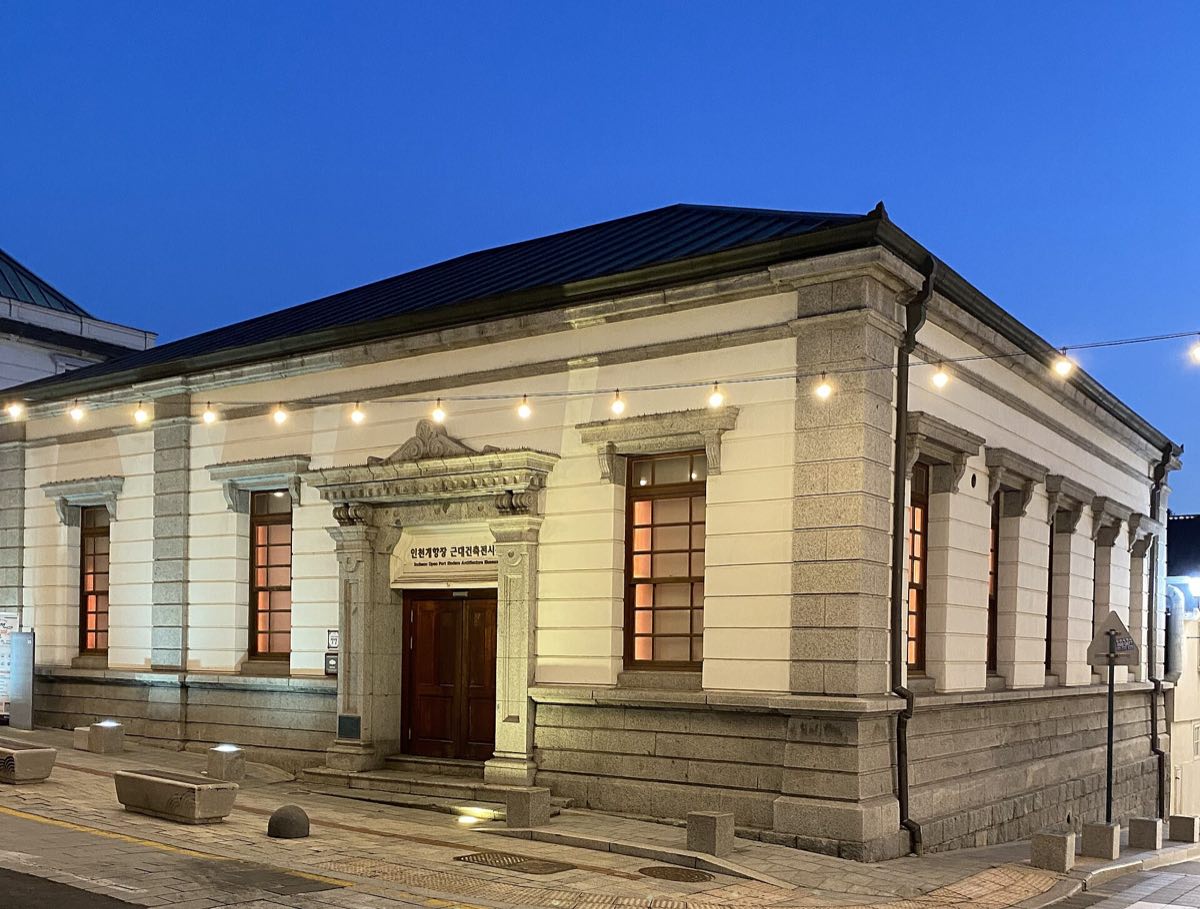
›Open Port Modern History Street — A street of former banks and concession buildings from the Jemulpo open-port era, showing the starting point of Korean modernity.Details →
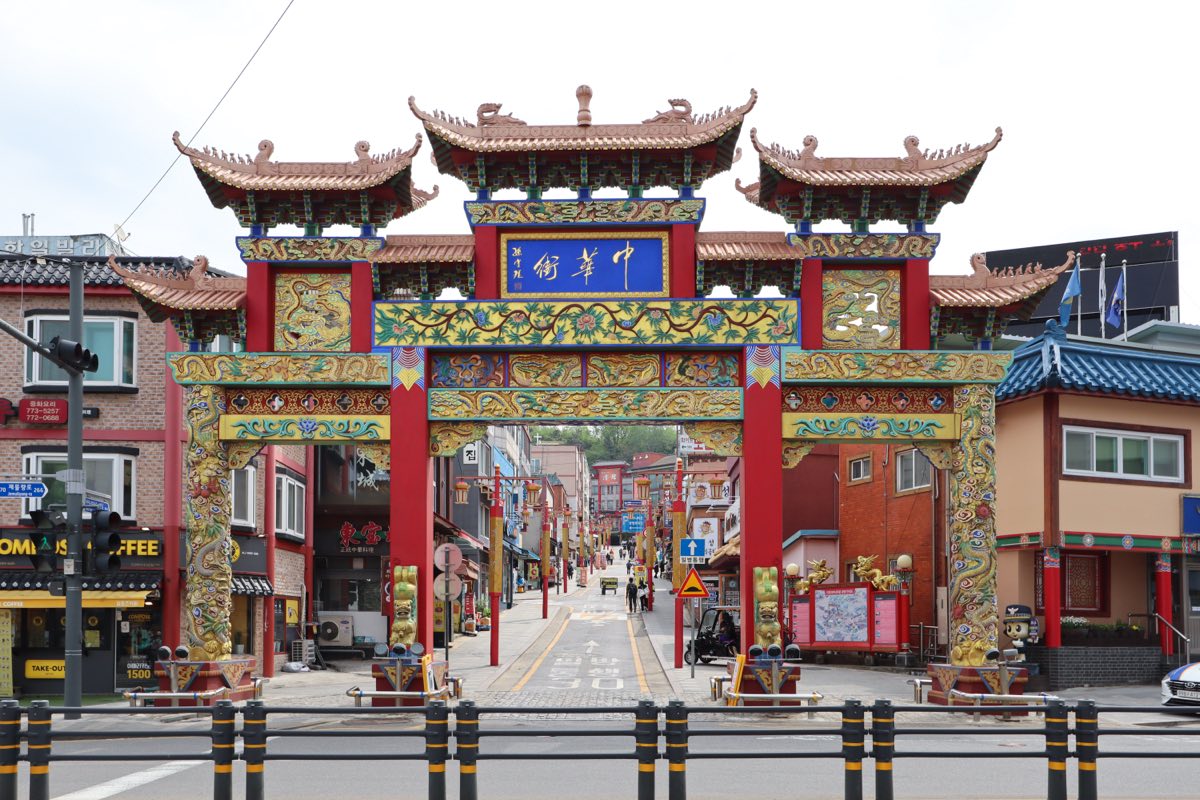
›Incheon Chinatown — A Chinese community formed with the opening of the port — the largest Chinatown in Korea, known as the birthplace of jjajangmyeon.Details →
›Wolmido and the Incheon Landing Memorial — The area around the landing point of the Incheon operation, with a memorial honoring this turning point of the Korean War.Details →
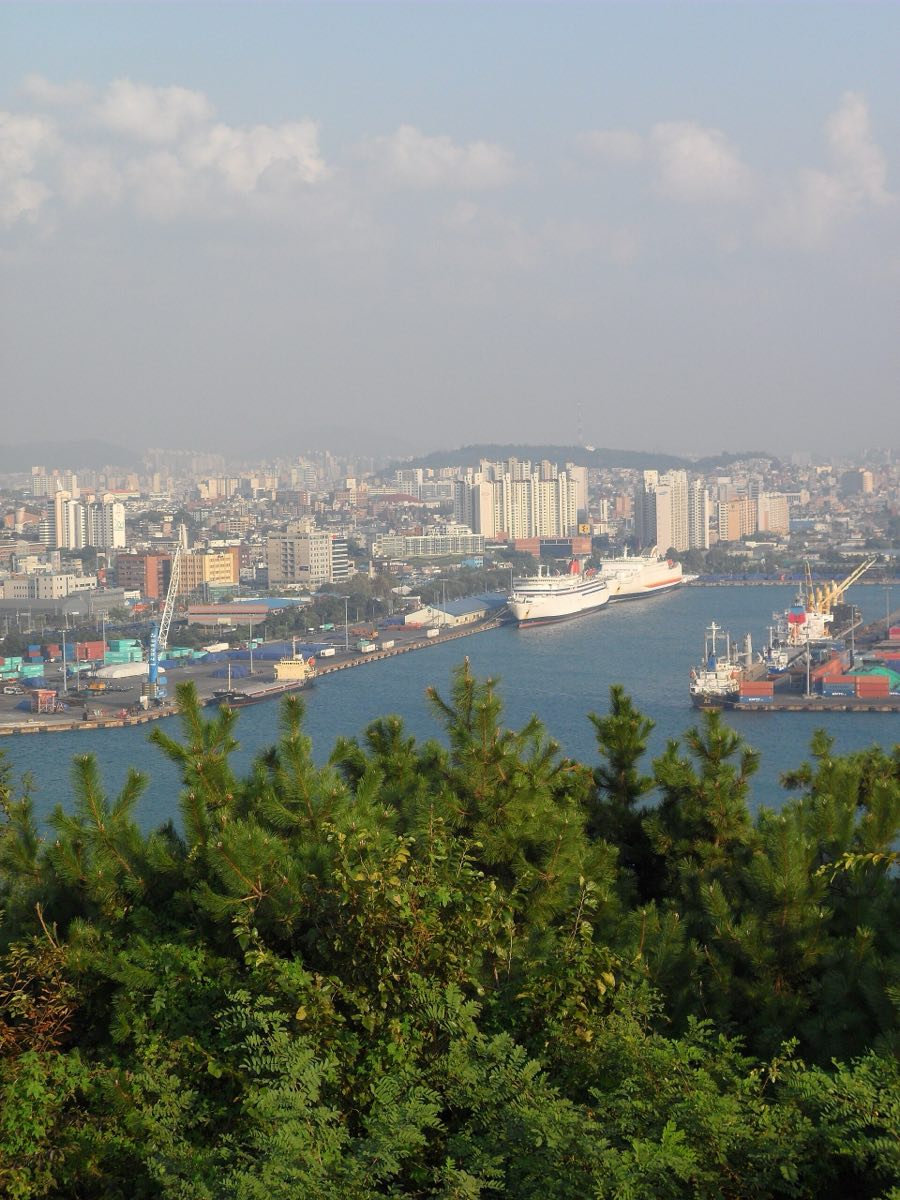
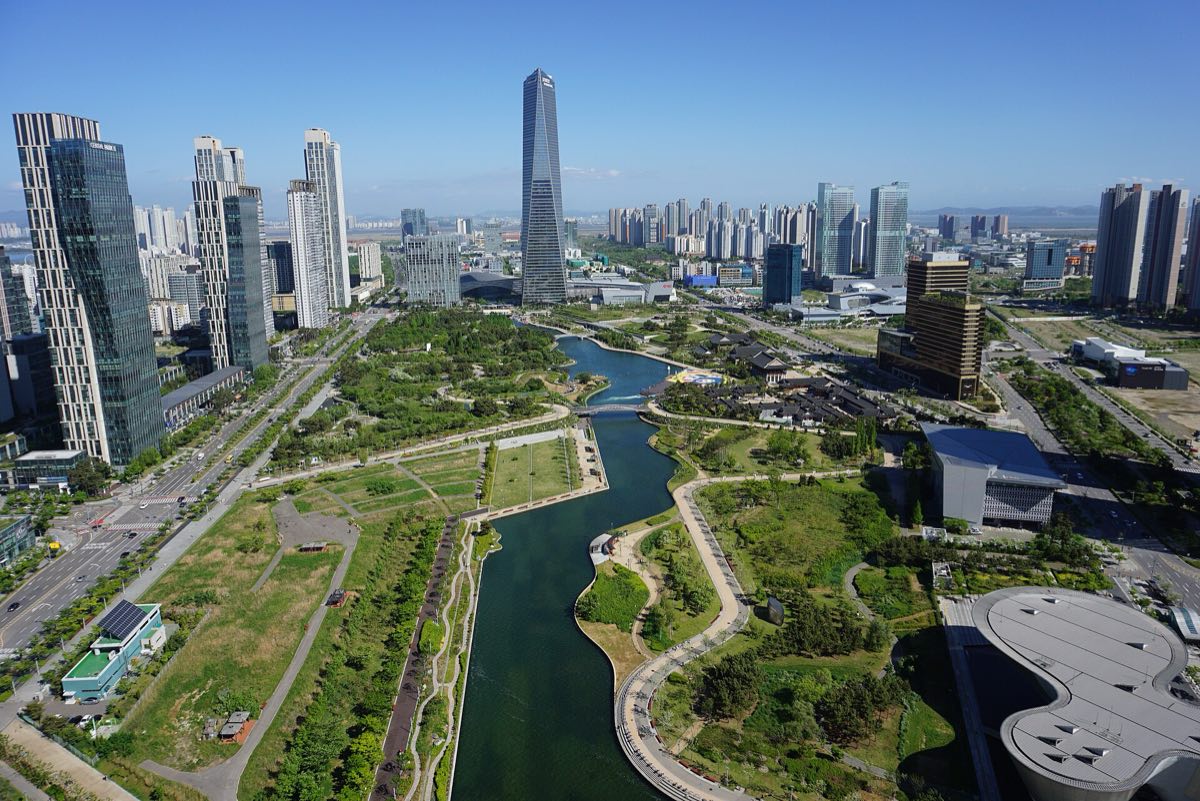
›Songdo International City — A planned city built on reclaimed tidal flats, showing the modern face of the port city of Incheon.Details →
Open Port Modern History StreetWolmido and the Incheon Landing MemorialSongdo International City
📷 JNicol, CC BY-SA 3.0 · Jaehyuk Lee, CC BY-SA 2.0
Seoul → Subway Line 1 or Suin-Bundang Line (~1 hr; directly connected from Incheon Airport)
📚 Exam Points (Korean History Exam)
Incheon is a modern open port where Western goods arrived when Jemulpo opened in 1883 following the Treaty of Ganghwa, with traces remaining in its open-port district and Chinatown. It is also the stage of the Incheon Landing (1950) that reversed the tide of the Korean War, a frequent topic in modern history.